Historical Developments
Chapter Seven — Lecture 3
PHIL 210: World Religions
⌨️ Keyboard Shortcuts
→ / Space: Next slide
←: Previous slide
S: Speaker notes
F: Fullscreen
O: Overview
ESC: Exit/Close
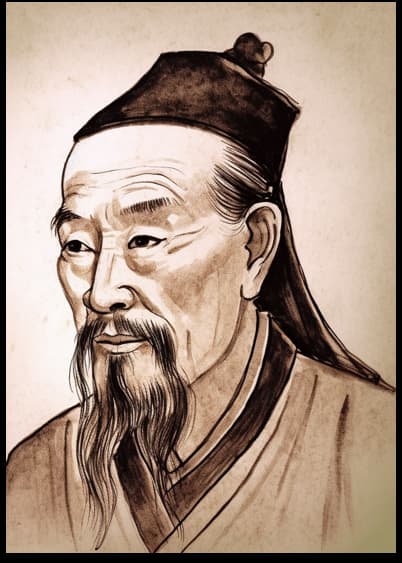
Mencius: Human Nature Is Good
The Optimist
Mencius (Mengzi 孟子) argued:
- Humans are born with innate moral tendencies
- These are "sprouts" (duan 端) that need cultivation
- Evil comes from neglecting or corrupting our nature
- Everyone can become a sage — it's a matter of nurture
The Child and the Well
Mencius's Thought Experiment
"Suppose someone suddenly saw a child about to fall into a well. Anyone would feel alarm and compassion — not to gain favor with the child's parents, not to win praise from neighbors and friends, not because they would dislike the cry of the child."
— Mencius 2A:6
The argument: Everyone would feel distress → This feeling is spontaneous → Therefore, compassion is innate → Therefore, human nature has moral content
Mencius: The Four Sprouts
Xunzi: Human Nature Is Bad
The Realist
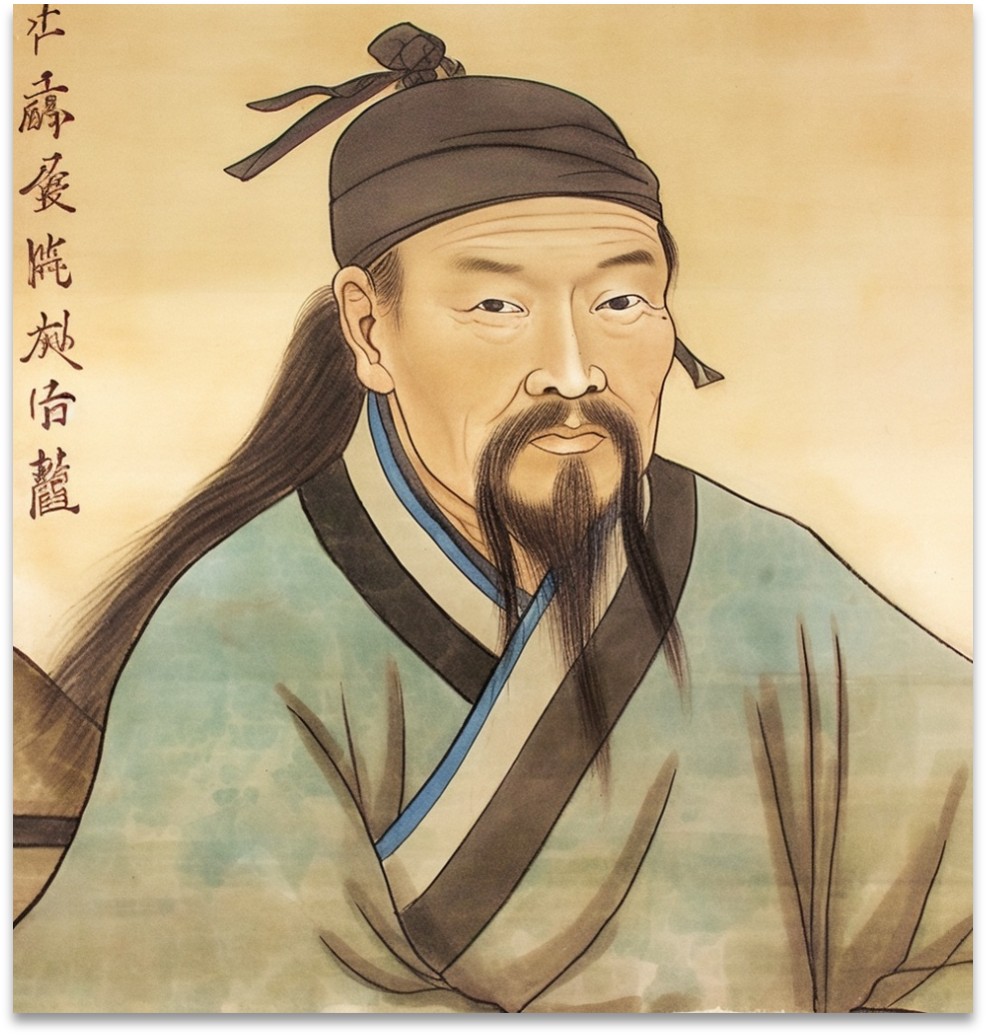
Xunzi (Xunzi 荀子) disagreed sharply:
- Human nature is selfish and chaotic
- Left alone, humans pursue desires without limit
- Goodness is artificial — created by sages, taught through ritual
- Virtue is achievement, not expression of nature
"Human nature is bad; goodness is the result of conscious activity."
— Xunzi, Chapter 23
Xunzi's Argument
Why Ritual Matters Even More
Mencius:
- Nature is good
- Education draws out goodness
- Sprouts → Virtues
- Farmer cultivating plants
Xunzi:
- Nature is bad
- Education imposes order
- Raw material → Shaped product
- Potter shaping clay
Xunzi's key point: If humans were naturally good, why would we need sages, rituals, and laws?
Xunzi compared moral education to craftsmanship. Wood doesn't naturally become a wheel — a craftsman imposes form on it. Similarly, ritual and education impose moral form on raw human nature.
The craft metaphor →
Who Won?
Mencius Becomes Orthodox
Historically, Mencius's view became standard Confucianism.
Why?
- More optimistic — people can improve
- Fits better with self-cultivation emphasis
- Neo-Confucians (later) championed Mencius
- Xunzi's students became Legalists — guilt by association
⚠️ Historical Note:
Xunzi's two most famous students, Han Feizi and Li Si, helped create China's first totalitarian state (Qin dynasty). This tainted Xunzi's reputation for centuries.
Confucianism Becomes State Ideology
The Han Synthesis
Confucianism Goes Official
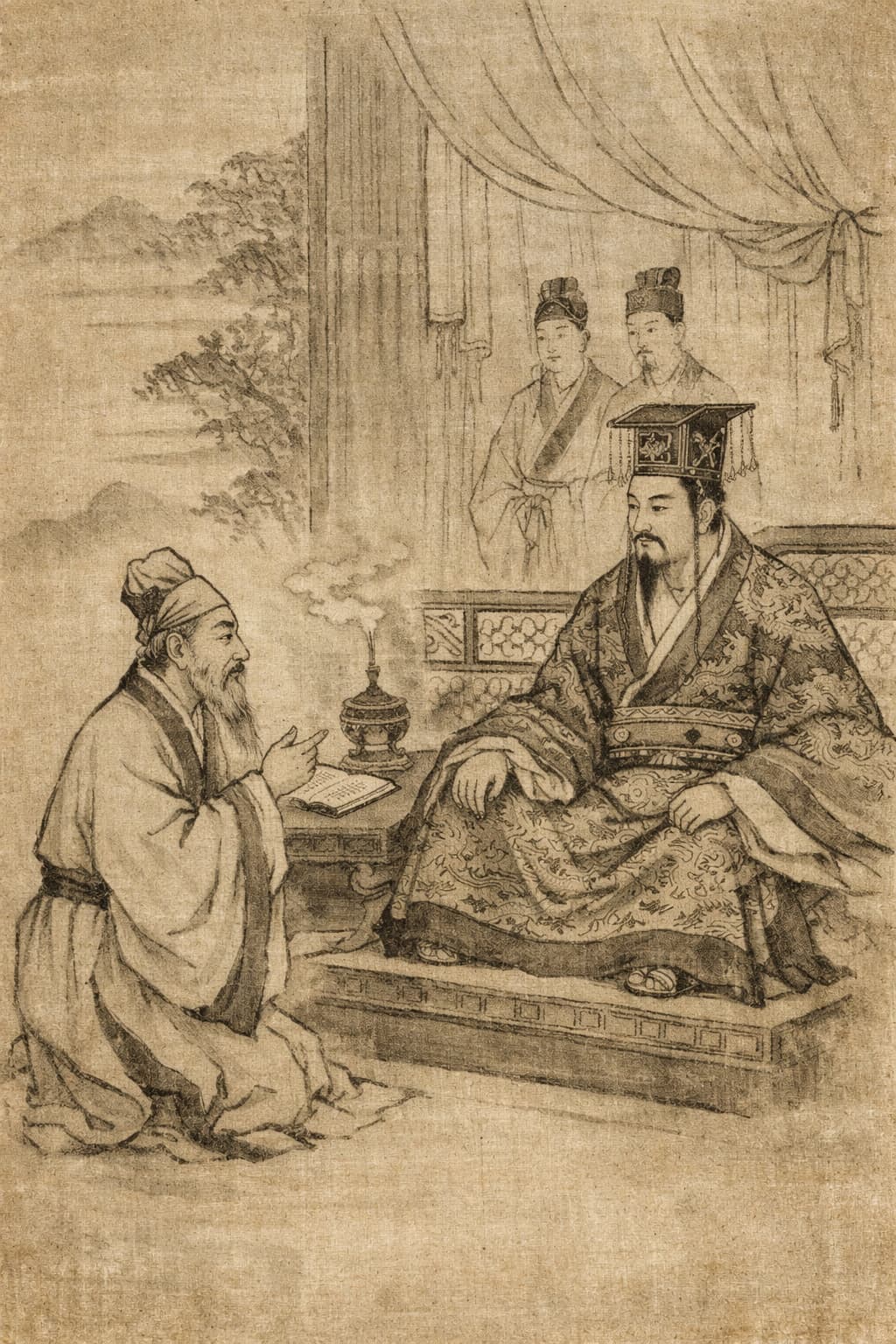
Dong Zhongshu (179–104 BCE) convinced Emperor Wu to:
- Make Confucianism the official state ideology
- Establish imperial academies teaching Confucian classics
- Staff bureaucracy with Confucian-educated officials
Result: Confucianism went from one philosophy among many to THE framework for Chinese governance.
Neo-Confucianism
The Buddhist Challenge
A Crisis for Confucianism
From 1st century CE, Buddhism spread through China:
- Offered sophisticated metaphysics Confucianism lacked
- Provided answers about death, afterlife, suffering
- Monasteries attracted talented people away from public service
- Seemed to offer deeper spiritual practice
Confucian response: We need to develop our OWN metaphysics and spiritual depth.
Neo-Confucianism Emerges
Confucianism 2.0
Neo-Confucianism (Song dynasty, 960–1279 CE):
- Response to Buddhism's challenge
- Developed Confucian metaphysics and cosmology
- Borrowed Buddhist and Daoist concepts — reframed as Confucian
- Established the "Four Books" as canonical
Neo-Confucians established this new canon: Analects, Mencius, Great Learning, Doctrine of the Mean. These replaced the older "Five Classics" as the core curriculum, emphasizing moral cultivation over ritual and history.
What are the Four Books? →
Neo-Confucian Pioneers
Before Zhu Xi
Neo-Confucianism developed through several thinkers:
- Zhou Dunyi (1017–1073) — Cosmological diagram of the Supreme Ultimate
- Cheng Hao (1032–1085) — Emphasized moral intuition and unity with all things
- Cheng Yi (1033–1107) — Developed Li (principle) as key concept
The Cheng brothers were especially influential — Zhu Xi saw himself as continuing their work.
Cheng Hao and Cheng Yi studied together but developed different emphases. Cheng Hao stressed intuitive moral knowledge and feeling "one body" with heaven and earth. Cheng Yi emphasized careful study and investigation of principles (Li) in things. Later Neo-Confucianism split along these lines: Zhu Xi followed Cheng Yi; Wang Yangming followed Cheng Hao.
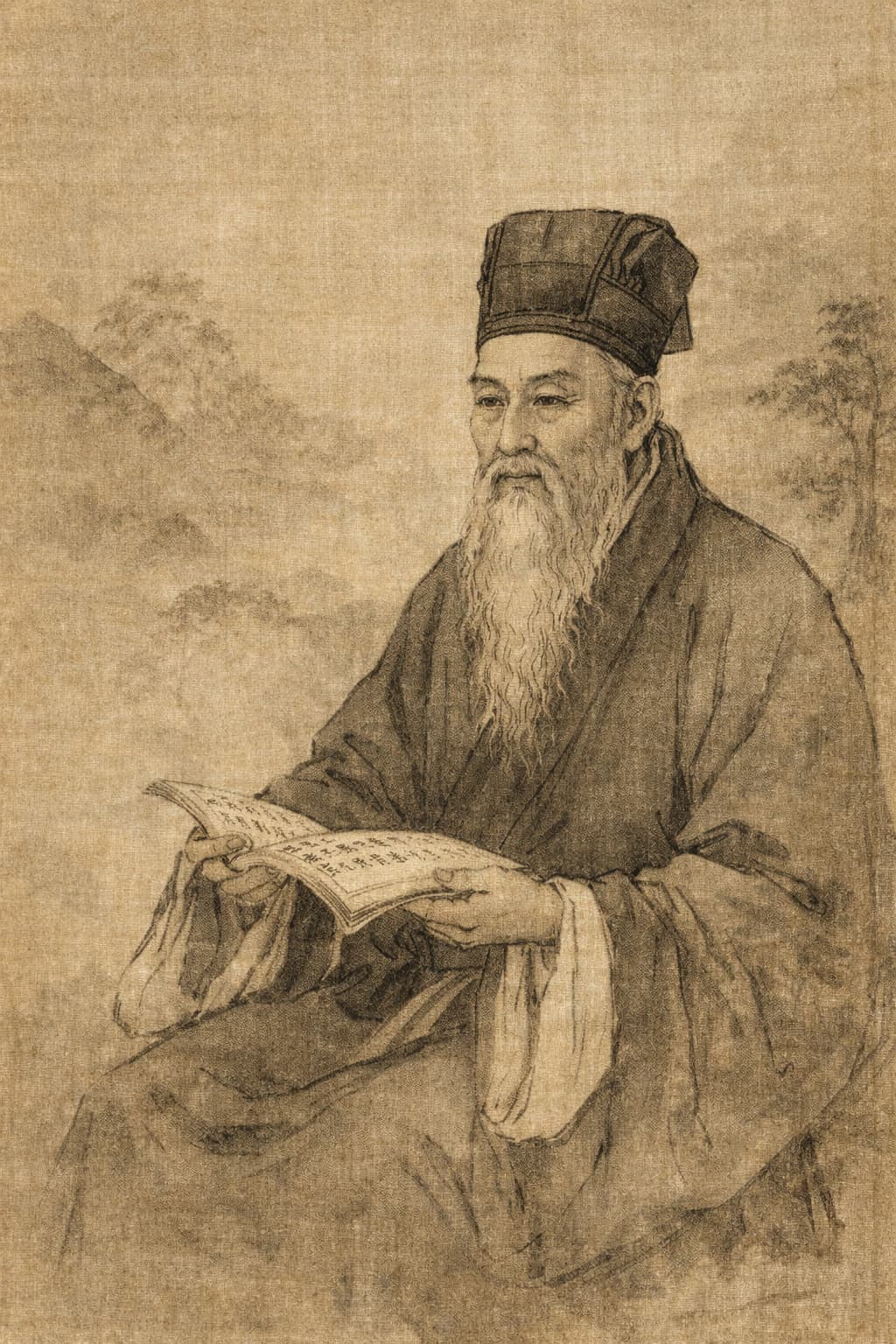
Zhu Xi (1130–1200)
The Great Synthesizer
Zhu Xi built on the Cheng brothers to create the standard Neo-Confucian system:
- Li (理) — principle/pattern underlying all things (NOT ritual 禮)
- Qi (氣) — material force that constitutes things
- Everything has both Li (what it should be) and Qi (what it is)
- Moral cultivation = aligning your Qi with your Li
Neo-Confucian Practice
"Investigating Things"
Zhu Xi emphasized gewu (格物) — "investigating things":
- Study the world to understand its principles
- Knowledge and moral cultivation are connected
- Read classics, but also observe nature and society
- Gradual accumulation of understanding
"The extension of knowledge lies in the investigation of things."
— Great Learning
Later debate: Wang Yangming (1472–1529) disagreed — said look inward, not outward.
The Way of the Celestial Masters
First Organized Daoist Movement
Tianshi Dao (Way of the Celestial Masters), founded 142 CE:
- Zhang Daoling claimed revelation from deified Laozi
- Organized communities with priests, rituals, hierarchy
- Healing, confession of sins, moral codes
- Still exists today — oldest continuous Daoist lineage
This movement established the template for religious Daoism: hereditary priesthood, community rituals, talismans, and a pantheon of deities. Zhang Daoling's descendants led the movement for centuries.
What template did they establish? →
Religious Daoist Practice
What Daoists DO
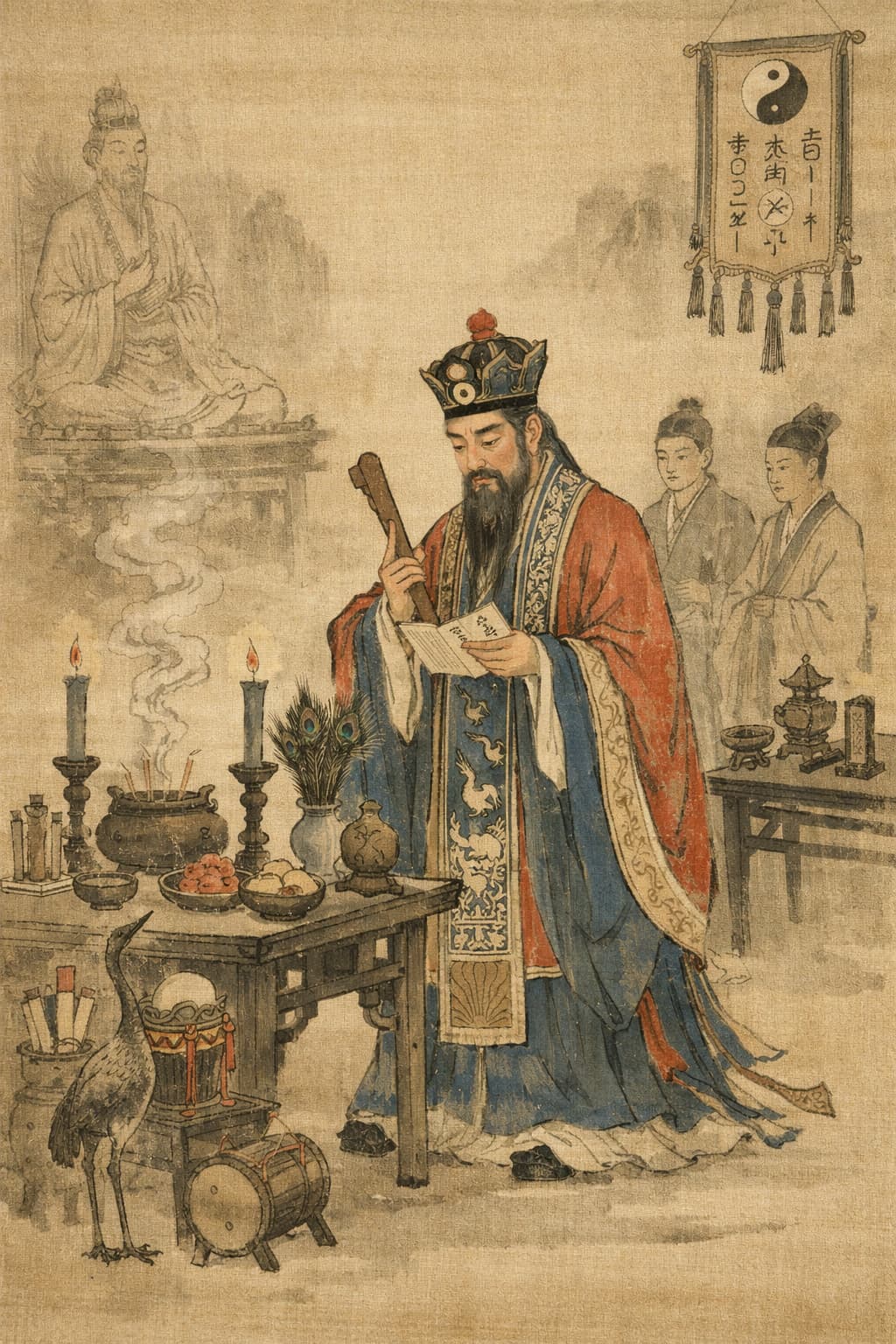
Individual Practices:
- Meditation
- Qigong (energy cultivation)
- Internal alchemy
- Dietary regimens
Communal Practices:
- Temple rituals
- Festivals
- Offerings to deities
- Funeral rites
Goals: Longevity, immortality, harmony with Dao, spiritual power, healing
Immortality and Alchemy
The Quest to Live Forever
Daoists developed two approaches to immortality:
External Alchemy (waidan):
- Concocting elixirs from minerals
- Many died from mercury poisoning
- Eventually abandoned
Internal Alchemy (neidan):
- Transforming energies within body
- Meditation, breathing, visualization
- Sexual alchemy practices
Internal alchemy uses the body as a laboratory. Practitioners visualize energy moving through the body, refining it progressively toward spiritual transcendence. It's a sophisticated meditation system with its own physiology and cosmology.
Sexual alchemy (fangzhongshu) represents techniques for cultivating and circulating vital essence (jing) through sexual practices. Rooted in ancient Chinese cosmology viewing sexual union as harmonizing yin and yang energies, these practices aim to refine sexual energy into spiritual power. While controversial and often misunderstood, they form part of broader Daoist body cultivation traditions focused on longevity and transcendence. Learn more →
How does internal alchemy work? → | What is sexual alchemy? →