Encountering Daoism
Chapter Seven — Lecture 2
PHIL 210: World Religions
⌨️ Keyboard Shortcuts
→ / Space: Next slide
←: Previous slide
S: Speaker notes
F: Fullscreen
O: Overview
ESC: Exit/Close
What Is "Daoism"?
A Complicated Category
Daoism (also spelled "Taoism") includes:
- Philosophical texts (Daodejing, Zhuangzi)
- Religious traditions (priests, temples, rituals)
- Practices (meditation, alchemy, martial arts)
- Folk traditions (gods, spirits, feng shui)
⚠️ Important Corrective:
Western scholars once separated "philosophical Daoism" from "religious Daoism." Current scholarship sees these as intertwined aspects of one tradition.
Laozi — The Old Master
A Legendary Figure
- Name means "Old Master" — possibly a title, not a name
- Traditional story: archivist who left civilization
- Historical person? Probably not — or a composite
- What matters: the Daodejing, not the biography
Legend says Laozi wrote the Daodejing at the western border before disappearing from history.
According to tradition, Laozi was a royal archivist who, disgusted with civilization's corruption, rode west on an ox. A border guard asked him to record his wisdom before leaving. The result: the Daodejing. Historically dubious, but a great story.
Click for the full legend →
The Daodejing (道德經)
Classic of the Way and Virtue
- Compiled 4th–3rd century BCE (not by one author)
- About 5,000 Chinese characters — very short
- 81 brief chapters of poetry and paradox
- Most translated Chinese text after the Bible
Key insight: This isn't a philosophical treatise. It's poetry. It's meant to unsettle, not explain.
Dao (道) = Way/Path
De (德) = Virtue/Power
Jing (經) = Classic/Scripture
Sometimes written as one word: Daodejing. Older books use Wade-Giles romanization: Tao Te Ching.
What does the title mean? →
Reading the Daodejing
Expect Paradox
"The Dao that can be spoken is not the eternal Dao.
The name that can be named is not the eternal name."
— Daodejing, Chapter 1
This isn't mystical obscurantism. It's making a point: ultimate reality exceeds language.
The moment you define the Dao, you've limited it. The moment you think you've grasped it, it's slipped away.
“There was something formless yet complete,
that existed before heaven and earth.
Silent and empty, standing alone and unchanging,
ever present and in motion.
Perhaps it is the mother of all things.
I do not know its name;
I call it Dao.”
— Daodejing, Chapter 25
Dao (道) — The Way
The Dao is the fundamental pattern of the universe:
- Source and sustainer of all things
- Ineffable—transcends human comprehension
- Total spontaneity and incessant transformation
- Not a god to worship, but a way to align with
- Underlying unity of all existence
De (德) — Virtue/Power
The Second Key Term
De is often translated as "virtue" but means something specific:
- The Dao as expressed in individual things
- Each thing's natural potency or power
- What makes something authentically itself
Think of it this way:
Dao = the ocean | De = the wave's particular shape
A tree's De is expressed when it grows naturally. Forced into an unnatural shape, its De is damaged.
Same character as Confucian "virtue" but different meaning. For Confucians, De is cultivated through education. For Daoists, De is innate — you access it by removing artificial obstacles, not by adding knowledge.
Compare to Confucian De →
Wu-Wei (無為) — Non-Action
The Central Practice
Wu-wei literally means "non-action" or "non-doing."
What it does NOT mean:
- Laziness or passivity
- Doing nothing
- Fatalistic resignation
What it DOES mean:
- Acting without forcing
- Effort without strain
- Going with the grain
Ziran (自然) — Naturalness
Being "Self-So"
Ziran means "self-so" or "naturalness":
- Things being what they naturally are
- Acting from authentic nature, not external pressure
- The opposite of artificiality and pretense
"Humanity follows Earth, Earth follows Heaven,
Heaven follows Dao, Dao follows Ziran."
— Daodejing, Chapter 25
Note: Even the Dao "follows" naturalness. Ziran is the ultimate principle.
Often translated "nature" but not meaning forests and animals. It means "being so of itself" — things being authentically what they are without external interference. A tree grows by ziran. A person following social convention is not acting from ziran.
What does "naturalness" mean here? →
Qi (氣) and Yin/Yang (陰陽)
Foundational Concepts in Chinese Thought
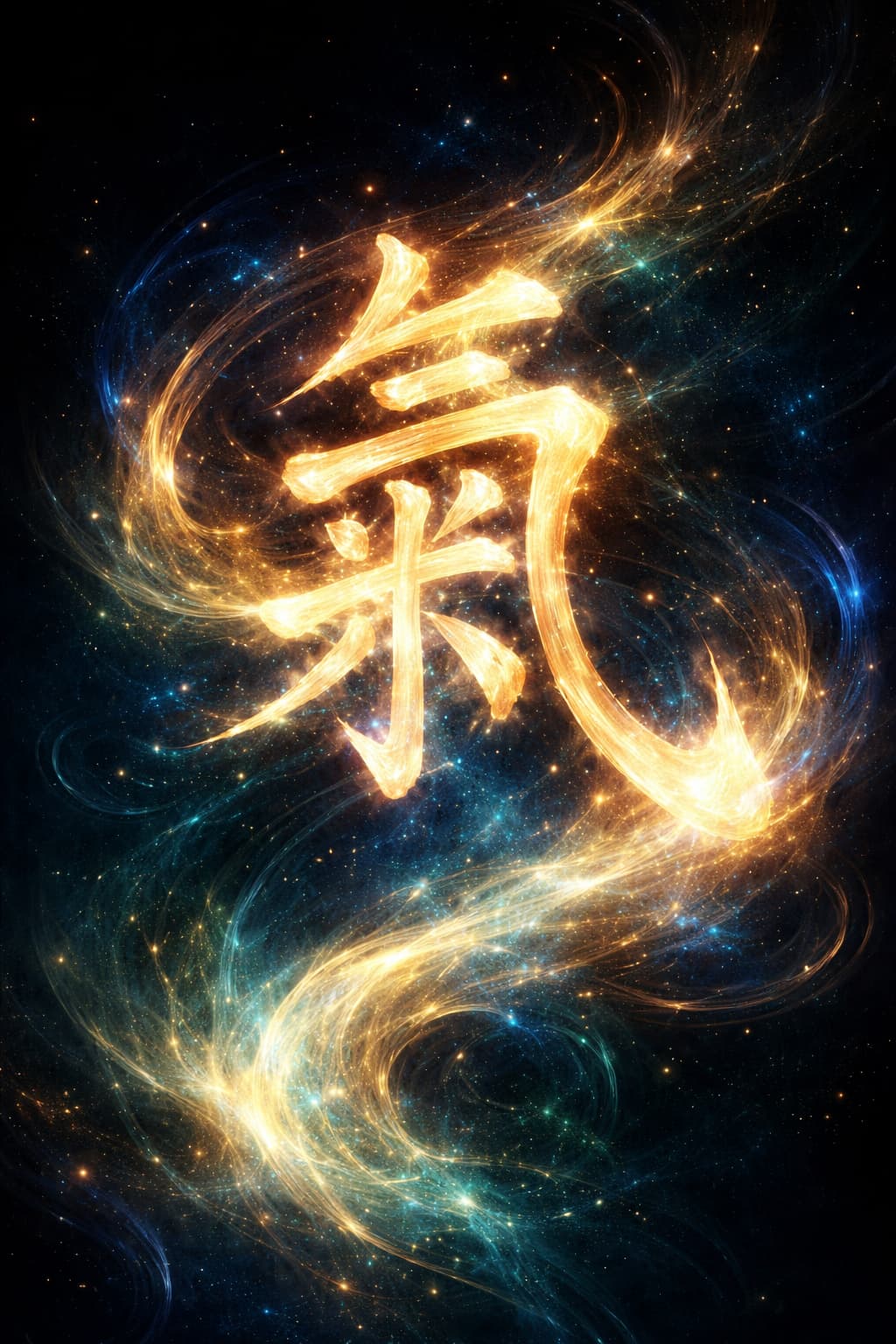
Qi — Vital Energy
- The vital energy/matter flowing through all things
- Neither purely material nor purely spiritual
- What animates life and constitutes the cosmos
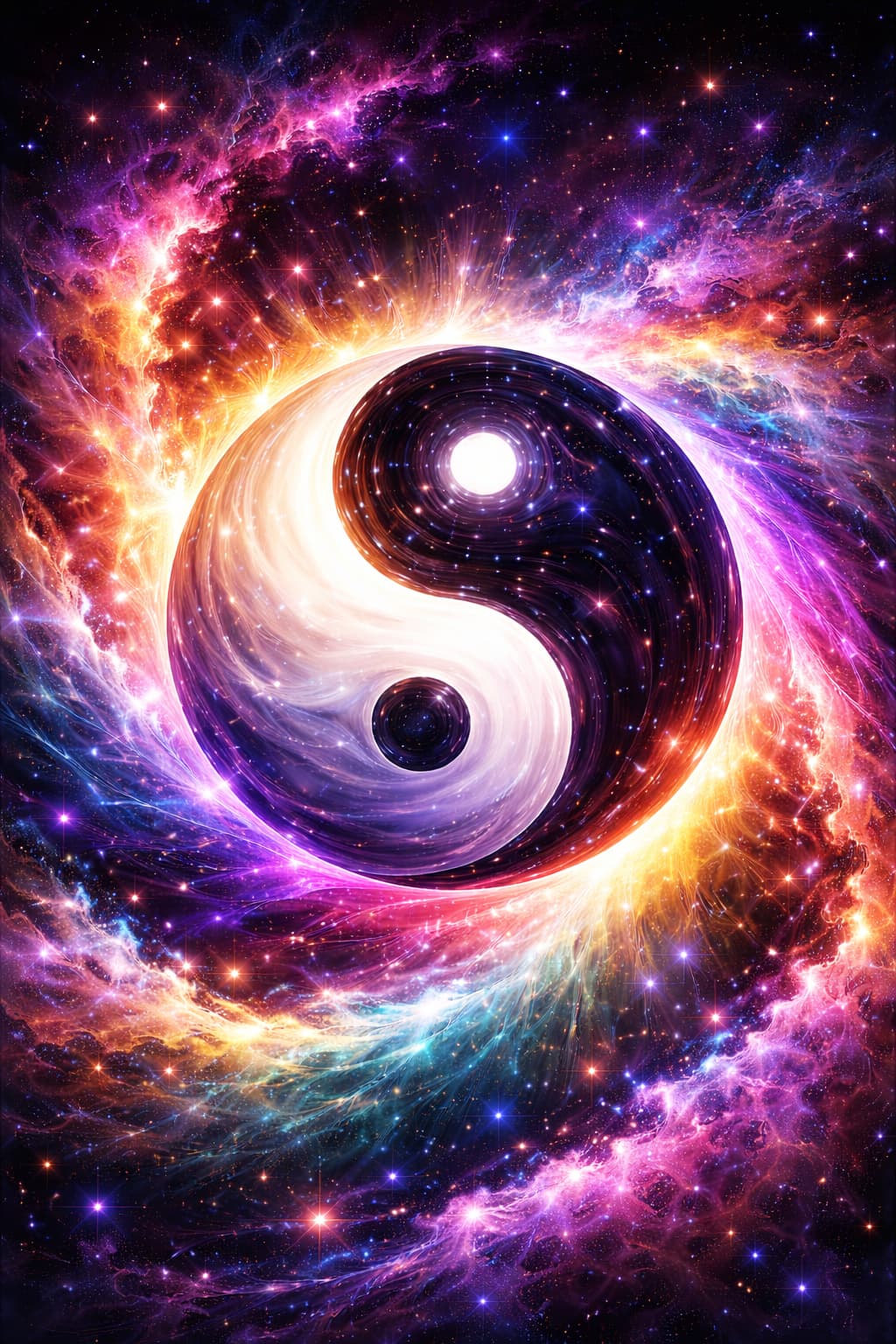
Yin/Yang — Complementary Dynamics
- Yin: Dark, Cool, Receptive, Contracting
- Yang: Light, Warm, Active, Expanding
- Both are necessary; everything contains both
Note: These are pan-Chinese concepts, not exclusively Daoist
Zhuangzi: The Second Voice of Daoism
Freedom Through Loosening
- Zhuangzi (c. 369–286 BCE)
- Inner Chapters (1–7) — earliest, most authentic
- Method: stories, humor, paradox
- Goal: freedom, spontaneity, ease
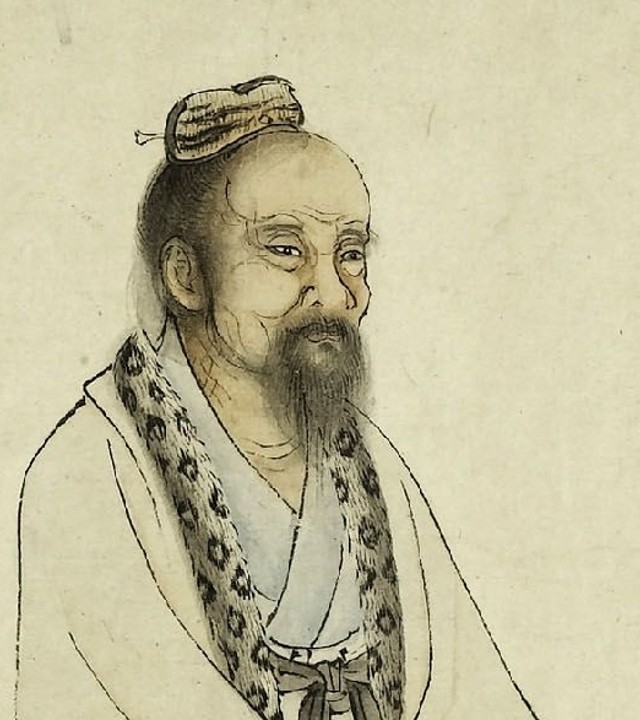
Chapters 1–7 of the Zhuangzi text, widely considered the earliest and most philosophically coherent core. Scholars attribute these directly to Zhuangzi himself. The "Outer" and "Miscellaneous" chapters were likely added by later disciples.
Philosophy Through Story
Wu Wei Made Visible
Zhuangzi avoids argument — he shows what wu wei actually looks like in practice.
"I follow the natural structure… I let the knife find its own way."
— Cook Ding, Zhuangzi Ch. 3
- True skill = alignment with natural patterns, not force
- Stories bypass resistance; insight arises intuitively
One of Zhuangzi's most famous parables. A butcher cuts an ox with such perfect skill that his knife never dulls — he follows the natural spaces between joints and cavities rather than forcing through bone. Prince Hui watches and has a sudden insight about living in harmony with the natural order. The skill is a metaphor for wu wei in action.
The World: Constant Transformation
Hua — The Flow of Things
"Things transform and never return."
— Zhuangzi, Ch. 2
- Reality is a process — nothing fixed or permanent
- Life, death, gain, loss: phases within a larger flow
- Suffering arises when we treat temporary states as permanent
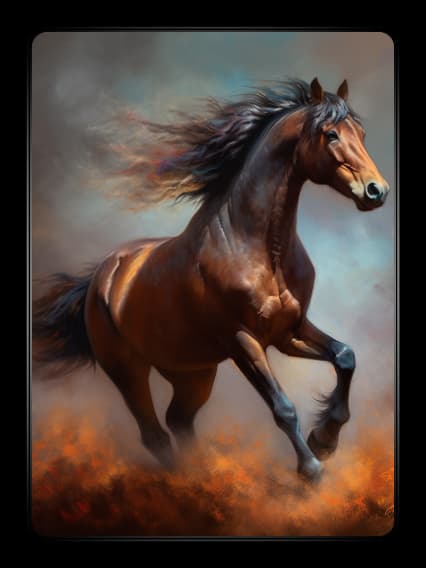
The galloping horse — Zhuangzi's image of ceaseless transformation
A central concept in Zhuangzi: the ongoing process by which all things change, merge, and become other things. Nothing in the cosmos is stable or self-contained. The sage who grasps hua can respond to change without clinging or resisting.
The Self Is Not Fixed
The Butterfly Dream
"Once Zhuang Zhou dreamed he was a butterfly… he didn't know if he was Zhuangzi who had dreamed he was a butterfly, or a butterfly dreaming he was Zhuangzi."
— Zhuangzi, Ch. 2
- Identity is fluid — boundaries between self and world are unstable
- The self is part of ongoing transformation, not separate from it
- Spiritual practice: loosen attachment to a rigid sense of who you are
Zhuangzi's Dream — Daoist philosophy meets Descartes & Kant
One of the most famous passages in Chinese philosophy. Zhuangzi wakes from a dream of being a butterfly and cannot be certain which state is the "real" one. The story is not meant to induce skepticism about waking life — it is meant to loosen the fixed sense that one's current identity is the only possible one. The barrier between "Zhuangzi" and "butterfly" is itself a human construction.
Distinctions and the Limits of Knowing
This / That — Right / Wrong
"This is also that; that is also this."
— Zhuangzi, Ch. 2
- Human thinking relies on distinctions — useful, but limited
- Every viewpoint depends on a standpoint
- Conflict arises when we treat our distinctions as absolute
- The problem: not knowledge itself, but attachment to being right
The Pivot of the Dao
Shu (樞) — Freedom from Fixation
"The pivot of the Dao… responds endlessly."
— Zhuangzi, Ch. 2
- The pivot is not a "higher" viewpoint — it is the ability to move between perspectives
- Without becoming trapped in any single one
- This flexibility is spiritual freedom
The "pivot of the Dao" is the center point of a wheel or a door hinge — it doesn't move to any single position, but by staying at the center it enables all movement. For Zhuangzi, the sage who has found the pivot can respond to any situation because they are not committed to any single fixed perspective. The pivot is not an elevated standpoint above all others; it is the capacity to move freely among all standpoints.
The Fish Debate
Zhuangzi vs. Huizi
Huizi: "You are not a fish. How do you know the fish are happy?"
Zhuangzi: "You are not me. How do you know I don't know the fish are happy?"
- Knowledge depends on standpoint — argument itself becomes the trap
- Zhuangzi deflects with playful logic, not a counter-argument
- The lesson: humility and flexibility, not skepticism
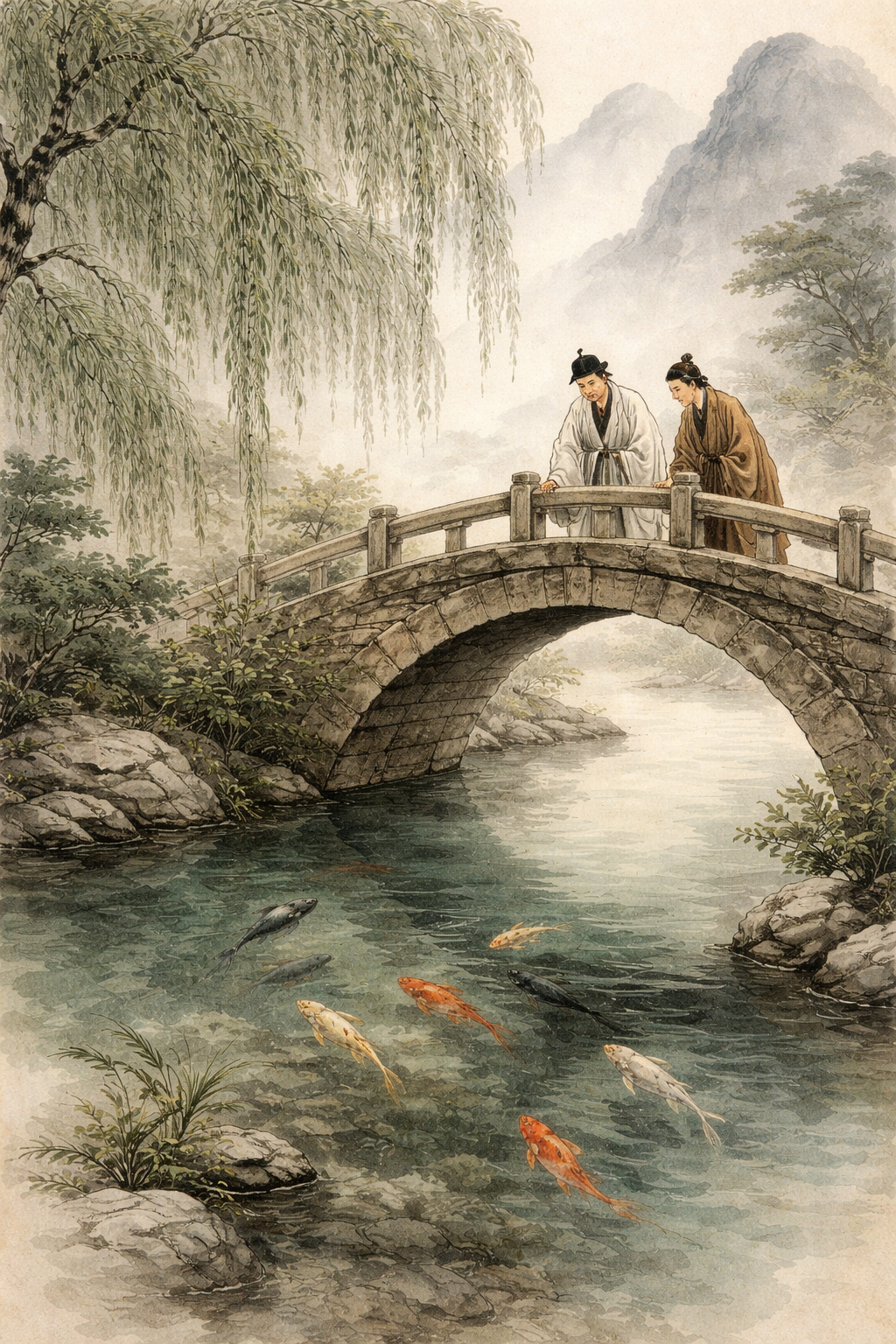
Zhuangzi's closest friend and most frequent sparring partner. A logician and philosopher of language who believed that careful verbal distinctions could capture truth. His debates with Zhuangzi dramatize the tension between analytical argumentation and Daoist fluidity. Despite their constant disagreements, Zhuangzi mourned deeply at Huizi's grave, saying he had lost the one person worth talking to.
Freedom from Social Values
The Useless Tree
"Its uselessness is what keeps it alive."
— Zhuangzi, Ch. 1
- Society prizes usefulness, productivity, service
- The useless tree survives — "useful" trees are cut down
- What society rejects may allow freedom from exploitation
- Daoist wisdom often appears strange or impractical by conventional standards
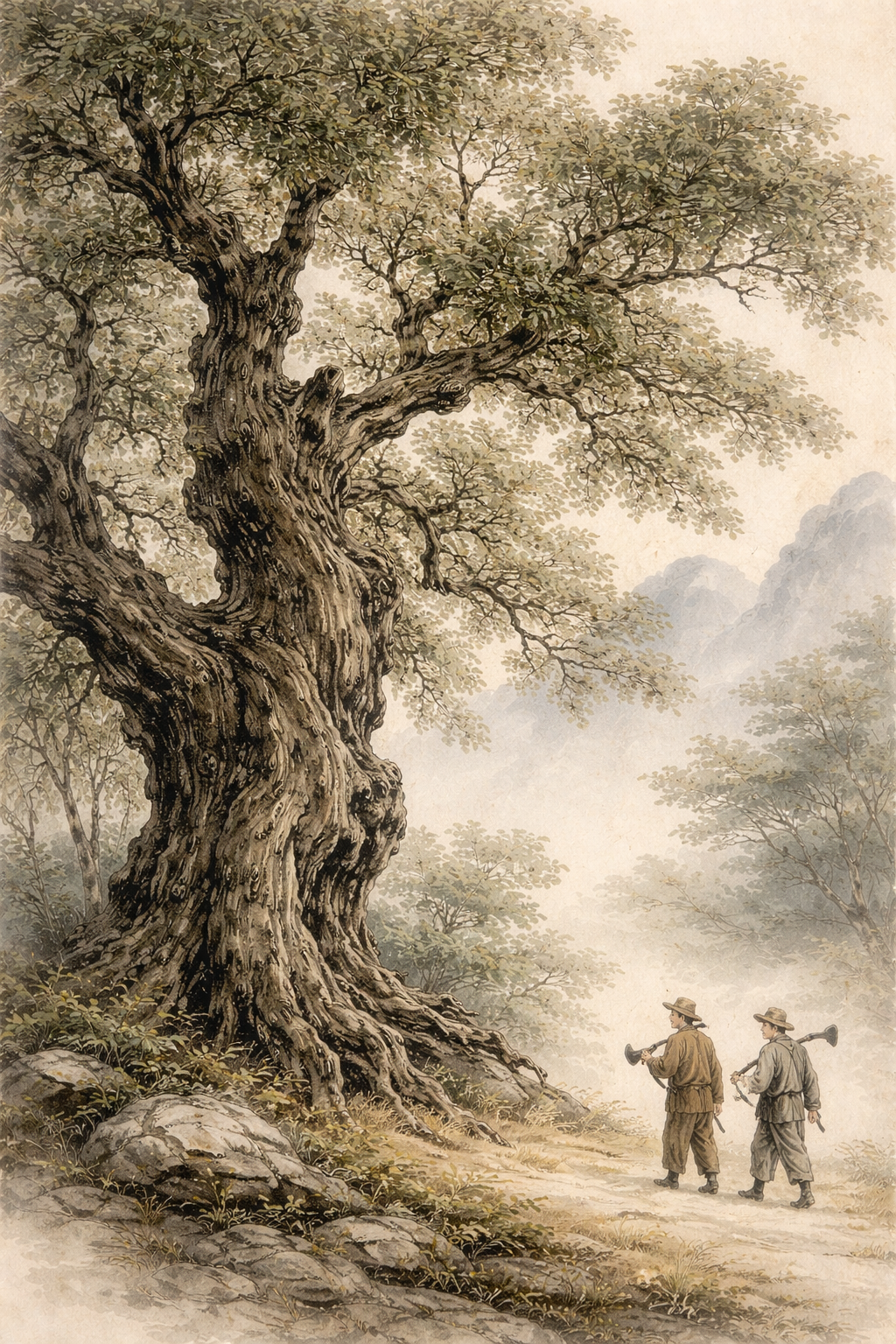
A massive ancient tree appears in a dream and explains why it has survived while "useful" trees are cut down for lumber, fuel, and tools. Its very uselessness — it produces no fruit, its wood is too gnarled to shape — has made it invisible to exploitation. The tree says: "What do you think I've been trying to do all this time?" A Daoist joke about the value of apparent worthlessness.
The Ideal: Wandering (You 遊)
"Free and Easy Wandering" — Xiaoyao You
- Chapter 1 title: Xiaoyao You — "Free and Easy Wandering"
- The ideal person moves with changing circumstances
- Without anxiety, rigidity, or fixed destination
- Freedom = ease within transformation, not control over it
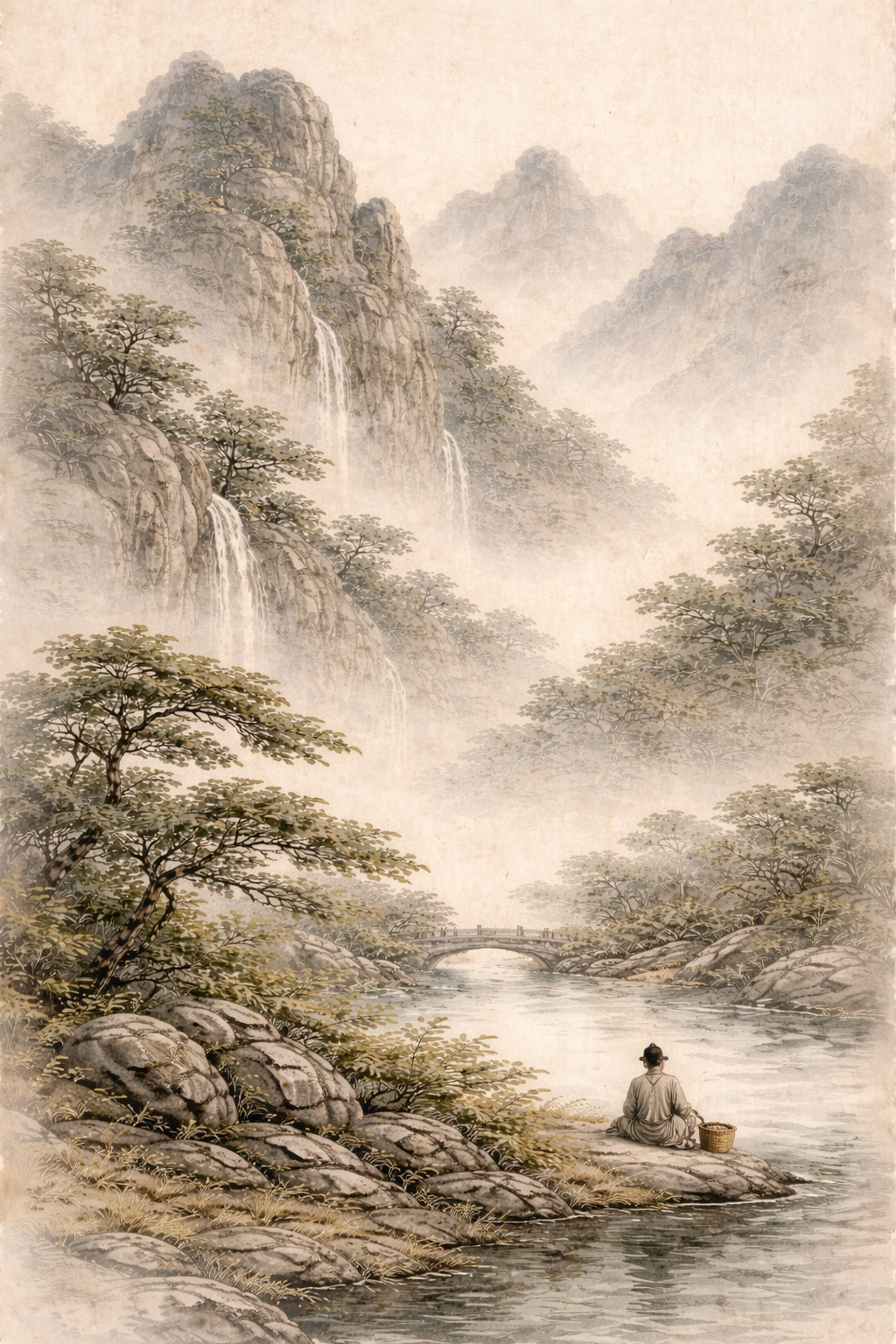
The title of Chapter 1 and Zhuangzi's central image of spiritual freedom. Xiaoyao means carefree, spontaneous, unhurried — moving without constraint. You means wandering or roaming. Together they describe a mode of being in the world: moving with circumstances rather than against them, finding joy in the journey rather than anxiety about the destination. This is not aimlessness — it is purposeful ease.
What Zhuangzi Is Really Teaching
Therapeutic, Not Theoretical
Zhuangzi Loosens:
- Fixed identity
- Fixed knowledge
- Fixed social values
The Result:
- Flexibility
- Peace and ease
- Alignment with the Dao
"The sage has no fixed mind."
— Zhuangzi, Ch. 7