Building Blocks of Religion
PHIL 210: World Religions
Chapter 1, Day 2: Building Blocks & Definitions
⌨️ Keyboard Shortcuts
→ / Space: Next slide
← : Previous slide
S: Speaker notes
F: Fullscreen
O: Overview
ESC: Exit/Close
Defining Religion
Multiple perspectives, no single answer
Why Is Defining Religion So Hard?
- Encompasses vast diversity (Buddhism vs. Christianity vs. indigenous traditions)
- Some traditions don't use the concept "religion" (it's a Western category)
- Boundaries are fuzzy (Is Confucianism religion or philosophy? Both?)
- Different definitions serve different purposes (legal, academic, popular)
No single definition satisfies everyone—different definitions highlight different aspects.
We'll look at several major approaches...
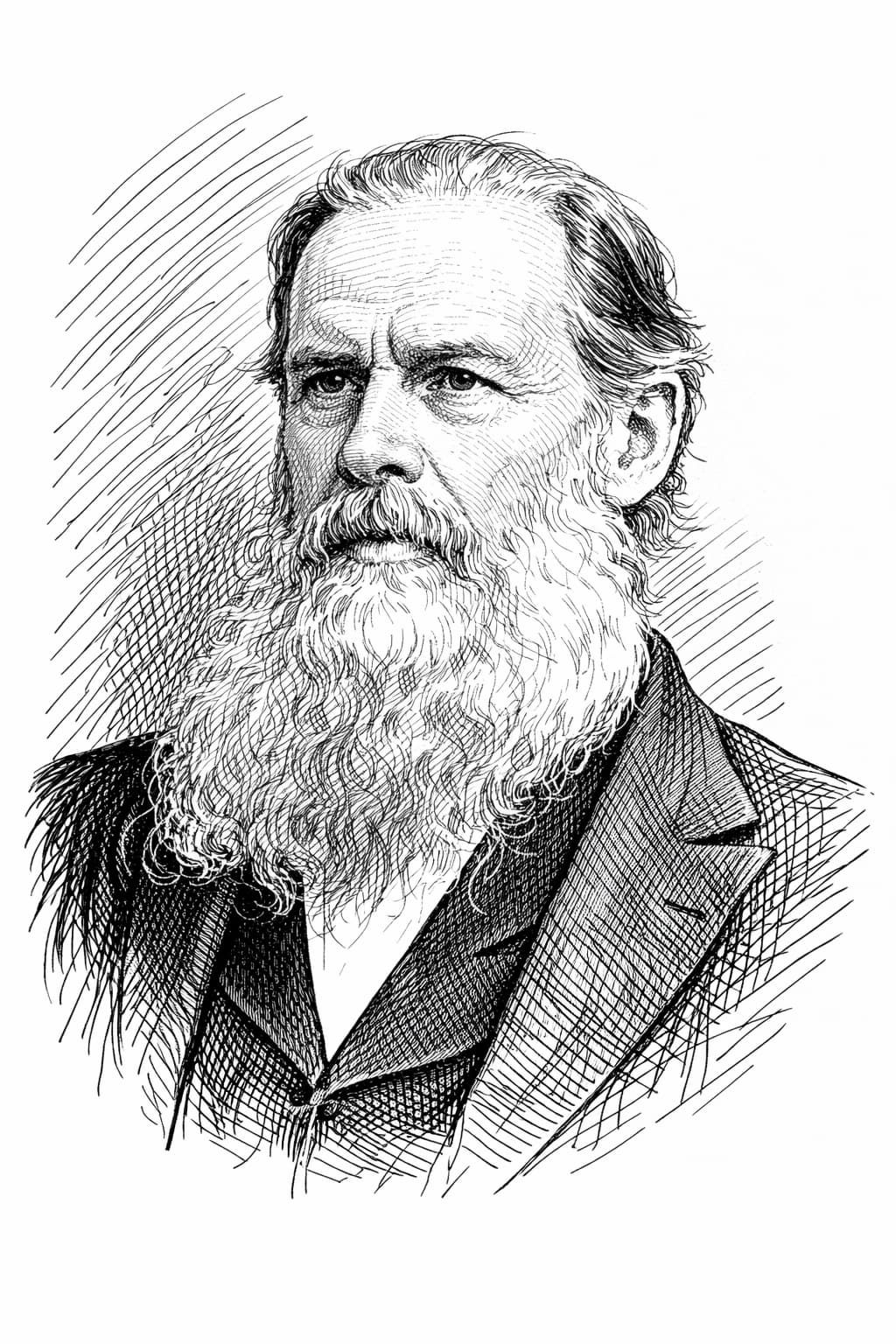
“Religion… is the belief in Spiritual Beings.”
— Edward B. Tylor, Primitive Culture (1871)
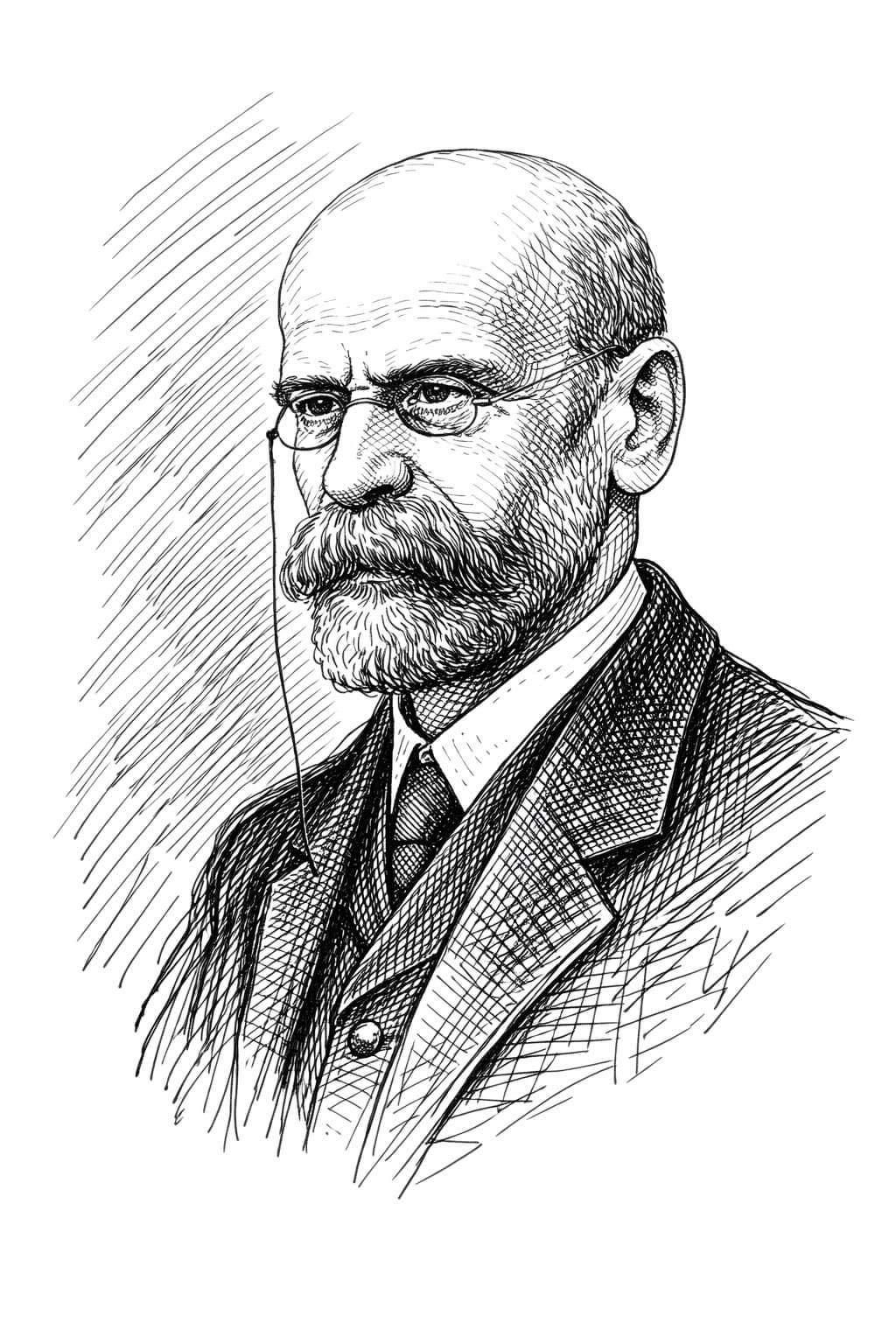
“A religion is a unified system of beliefs and practices… which unite into one single moral community.”
— Émile Durkheim, French sociologist of religion (1915)
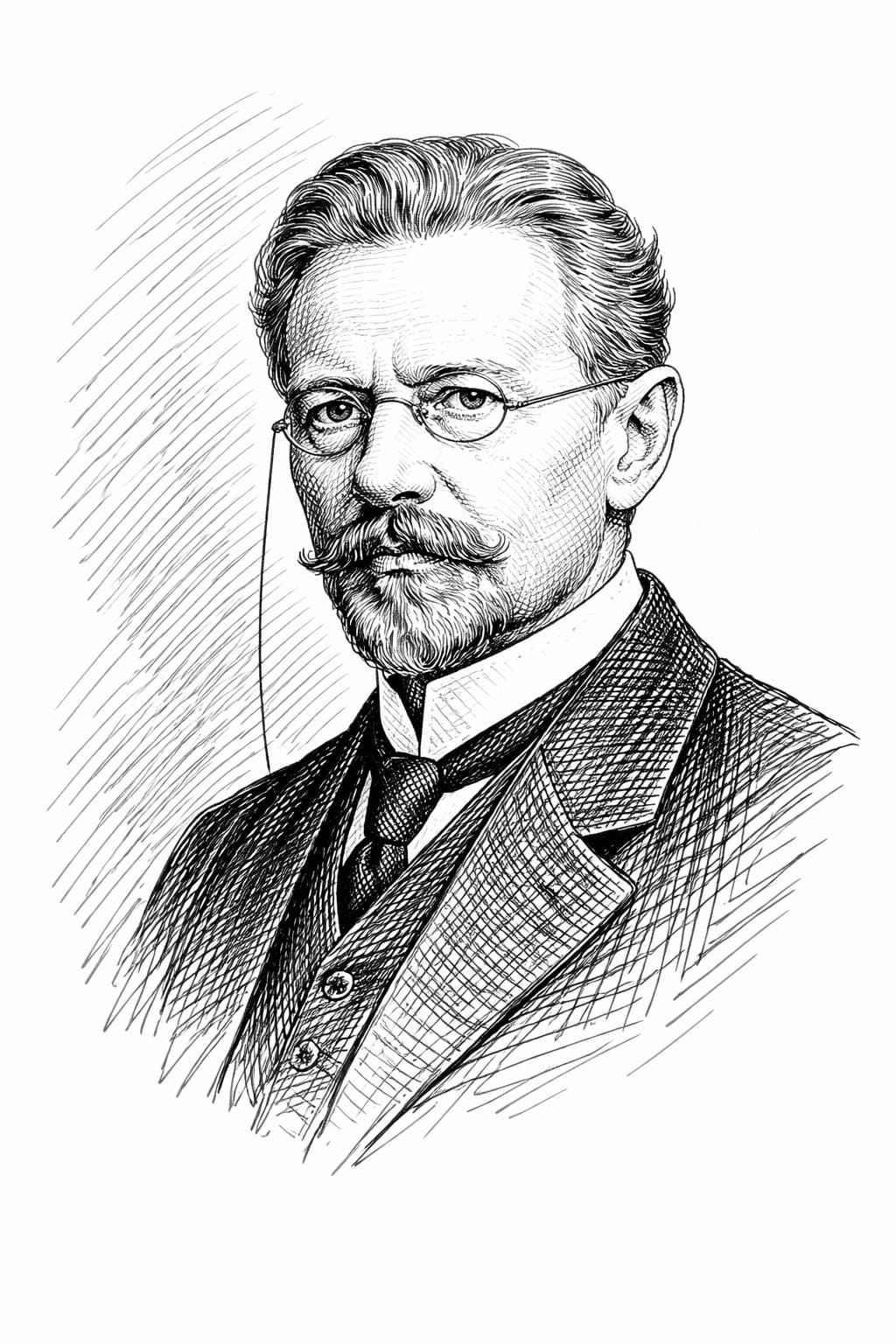
“What grows out of, and gives expression to, experience of the holy in its various aspects.”
— Rudolf Otto, German scholar of religion (1917)
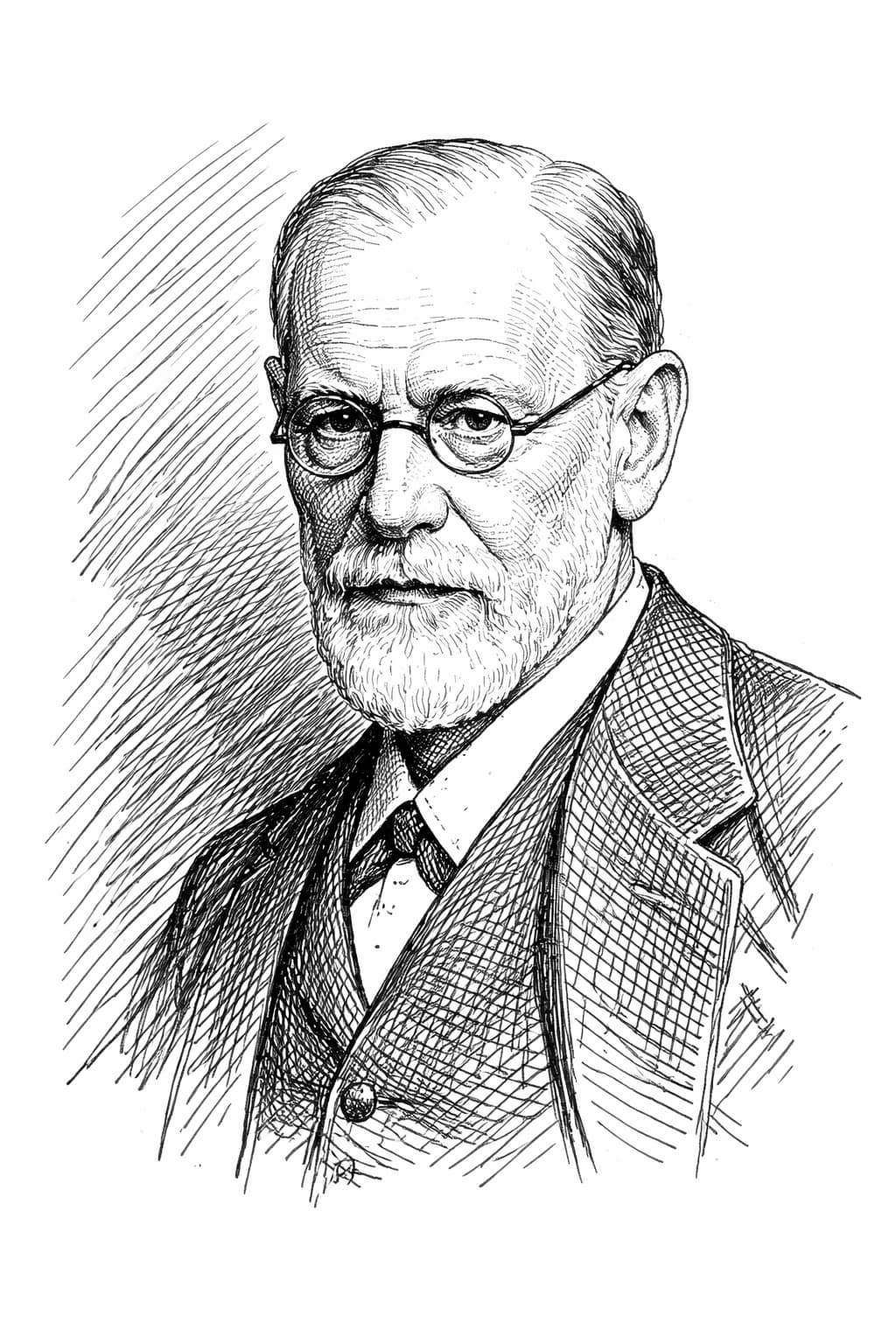
“An illusion deriving its strength from the fact that it falls in with our instinctual desires.”
— Sigmund Freud (1927)
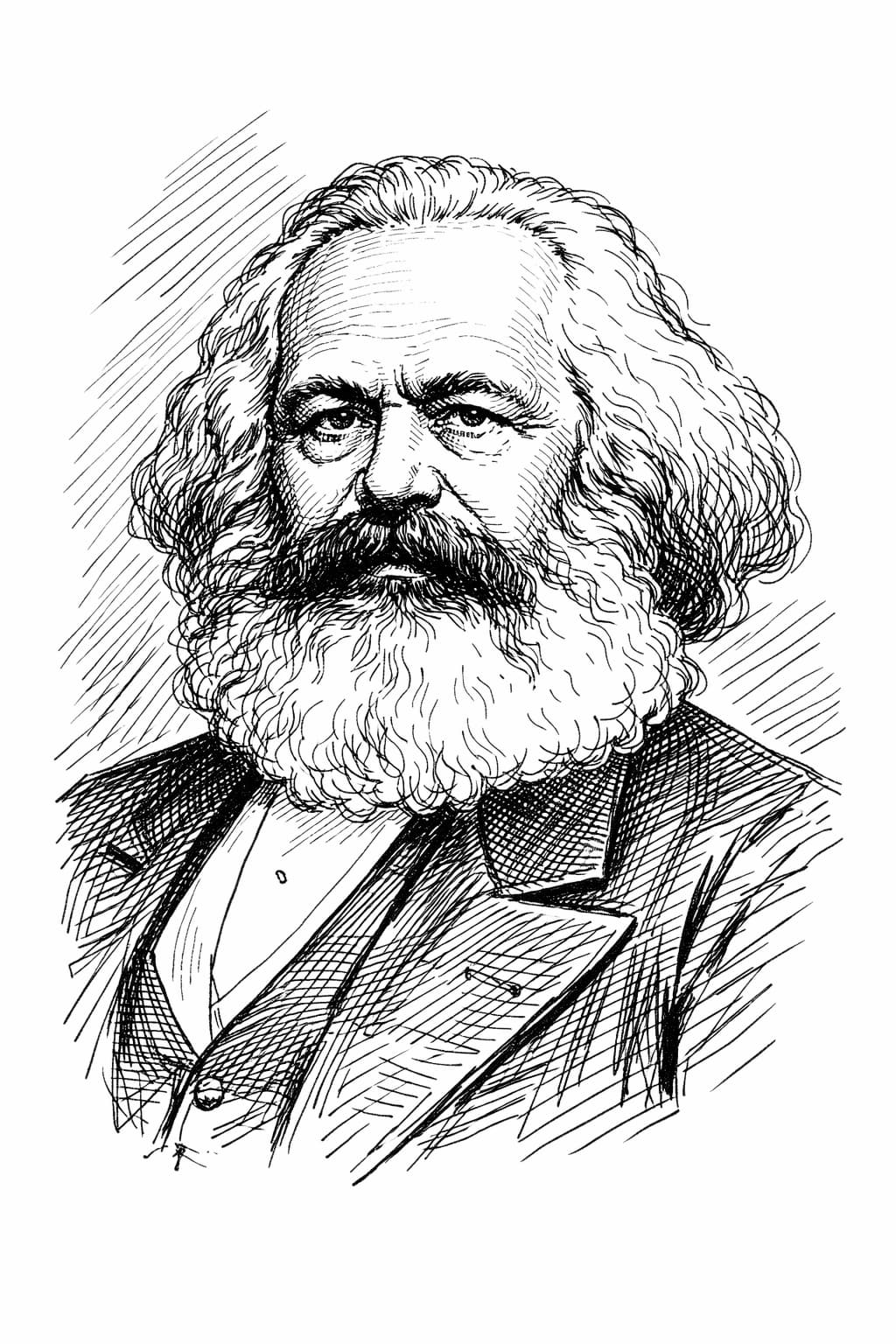
“Religion is the sigh of the oppressed creature, the heart of a heartless world, and the soul of soulless conditions. It is the opium of the people.”
— Karl Marx, A Contribution to the Critique of Hegel’s Philosophy of Right (1843)
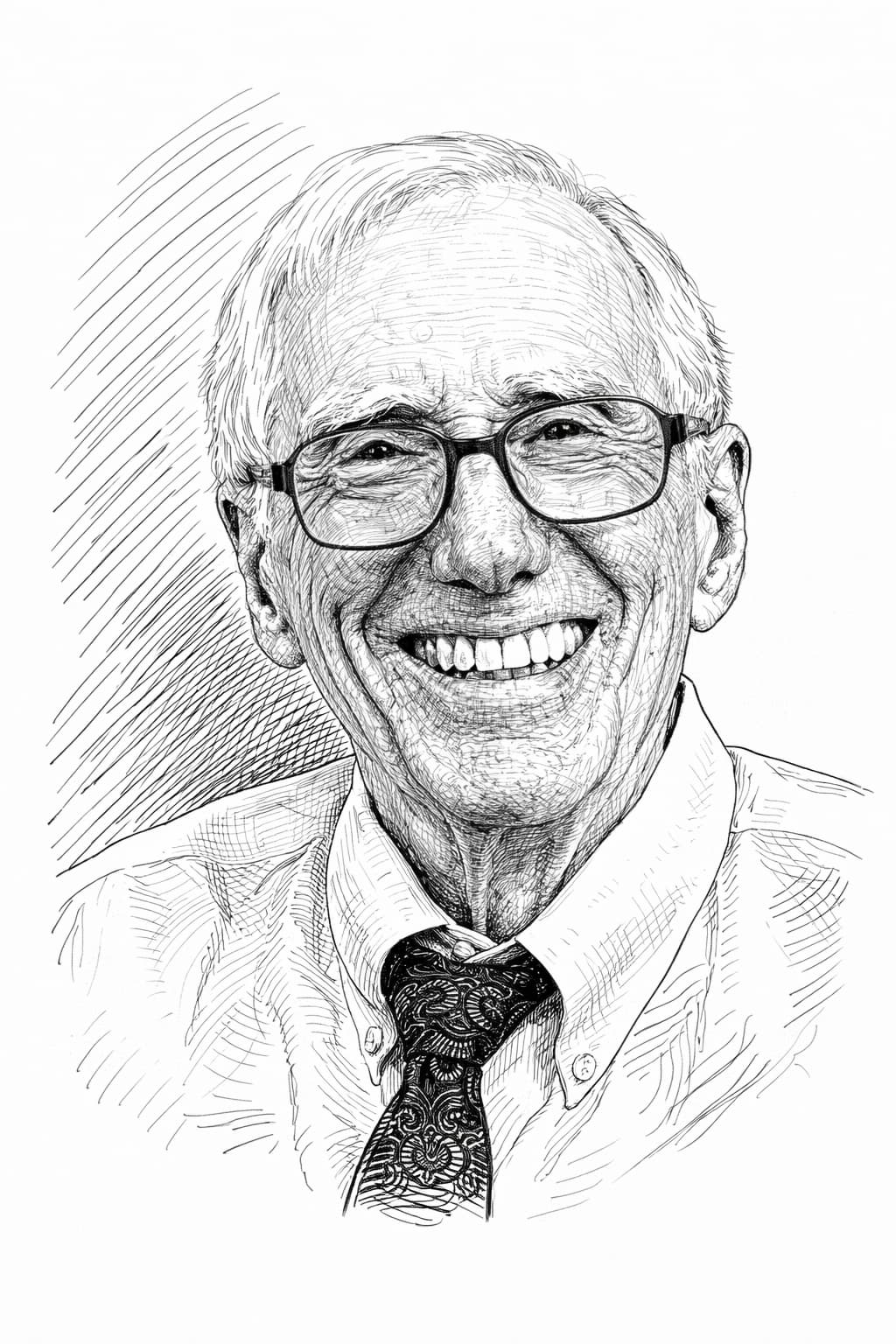
“A set of symbolic forms and acts which relate a person to the ultimate conditions of his existence.”
— Robert Bellah (1964)
How Your Textbook Defines Religion
Religion is a pattern of beliefs and practices that expresses and enacts what a community regards as sacred and/or ultimate about life.
Beliefs and Practices
How religious communities explain reality (myth) and enact meaning (ritual).
Beliefs: Sacred Narrative
Beliefs answer those existential questions, usually in the form of Myth
In Religious Studies, “myth” is a technical term meaning:
- A foundational sacred story conveying a tradition’s core meanings
- Stories about origins, destiny, divine beings, cosmic order
- Often symbolic rather than literal history
Sacred narrative: a foundational story about origins, destiny, or cosmic meaning that conveys a tradition’s core teachings.
Examples: Genesis creation accounts, Buddhist Jataka tales, Hindu epics, indigenous creation stories.
Note: Many practitioners dislike the term because in everyday English “myth” implies falsehood.
In Religious Studies, calling something a “myth” is not the same as calling it a lie.
The term refers to a story’s status and function in a community: it is sacred, authoritative, and worldview-shaping.
A myth may be:
- historically accurate
- historically inaccurate
- impossible to verify historically
What makes it “myth” in this academic sense is that it answers big questions and orients life toward what a community treats as sacred or ultimate.
Critical Clarification
⚠️ CRITICAL: Myth does not equal false
In everyday English, “myth” implies fiction. That’s not how we use it here.
A myth can be historically true, historically false, or unverifiable. What matters is that it is sacred and meaning-making.
In Religious Studies, calling something a “myth” is not the same as calling it a lie.
The term refers to a story’s status and function in a community: sacred, authoritative, worldview-shaping.
A myth may be historically accurate, historically inaccurate, or impossible to verify. The point is how it forms meaning and identity.
Examples of Myths
What are some examples of myths?
✍️ Think-Write-Share (3 minutes):
Write down: What's a "sacred story" from your own tradition or family?
Then consider: Would you be comfortable with me calling that a "myth"? Why or why not?
Practices: Putting Belief Practice
Beliefs are embodied in Ritual:
- actions that connect the individual and the community to the sacred reality; symbolic actions in worship, meditation, or other religious activities.
- Patterned, repeated actions (not spontaneous)
- Symbolic (actions mean more than their literal function)
What are some examples of rituals?
Symbolic, patterned actions performed in religious contexts. Rituals follow prescribed forms, carry meaning beyond literal actions (bread becomes body, water purifies), and connect practitioners to sacred/ultimate reality.
Examples: prayer, meditation, pilgrimage, rites of passage, seasonal celebrations.
Hindu worship ritual involving offerings to a deity. May include: flowers, incense, food, water, light (oil lamps), and mantras. Can be performed at home or in temples. Creates connection between devotee and divine.
Islamic ritual prayer performed five times daily at prescribed times. Involves purification (wudu), physical postures (standing, bowing, prostrating), and recitation of Qur'anic verses. One of the Five Pillars of Islam.
Ritual: Entering Sacred Time
- Often involves the reenactment of sacred time or sacred space
- Experienced as having the power to make the participant present in the original event
- Past and present dissolve into each other
- Ritual ties the life of the individual into a larger cosmic drama, connecting to what gives life meaning and purpose
Beliefs and Practices
-
Myth and ritual tie individuals to:
- The Sacred
- The Community
- The Cosmos
- This is accomplished through a complex of stories and ritual obligations that express a morality or sacred way of life.
Community
- A belief system is always shared: its ideals and rituals are practiced by a group.
-
Religions attempt to pass down beliefs and practices from generation to generation.
- Ethnic Religion: a religion that originated with and or appeals to a specific ethnicity (religious community and ethnicity are coterminous)
- Universal Religion: a religion that has broken out of its ethnic origins and claims a truth that is universally applicable (religious community is multi-ethnic)
Sacred and/or Ultimate
- The textbook defines sacred as: “what is considered most holy and important, whether in this world, in a supernatural world that transcends this one, or both.”
⚠️ Instructor Note: This definition falls a bit short. Why?
“Holy and important” is a start, but it can smuggle in assumptions (especially the idea that “sacred” always means a supernatural being).
Some traditions locate what is “ultimate” in:
- an impersonal reality (e.g., Dharma, Dao, Brahman)
- ethical order and harmony (e.g., Confucian moral cultivation)
- practice and liberation rather than worship of a god (e.g., many forms of Buddhism)
That’s why we pair sacred with ultimate.
Rudolf Otto, The Idea of the Holy (1917)
Otto argues that “the sacred” is first encountered as an experience before it becomes a doctrine.
The numinous is an encounter with the “Wholly Other” that evades precise formulation in words.
German theologian and philosopher of religion. Major work: The Idea of the Holy (1917).
Otto argued that religious experience has a unique, non-rational quality that cannot be reduced to ethics, psychology, or sociology. The sacred is first felt, then interpreted through doctrines and rituals.
Otto’s term for an experience of the “Wholly Other”: overwhelming, awe-inspiring, and difficult to put into words.
It “grabs” the emotions before the rational mind can explain what happened.
The Numinous
Otto’s numinous has two sides at once:
Mysterium Tremendum
Terrifying, overwhelming mystery
Fascinans
Fascinating, compelling attraction
You feel simultaneously awestruck and terrified—drawn in yet wanting to flee.
mysterium tremendum et fascinans
The “trembling mystery”: awe, dread, taboo, smallness before overwhelming power.
Latin phrase meaning: “a mystery that makes you tremble and also fascinates.”
Otto thinks this paradox is a signature feature of the sacred.
Experiencing the Numinous: Examples
Popular Culture:
The moment in Raiders of the Lost Ark when the Ark opens—awe, terror, inability to look away, all at once.
Natural World:
Standing at the Grand Canyon—feeling both insignificant and drawn in. The scale overwhelms your categories.
Religious Examples:
- Moses at the burning bush (terrified yet unable to leave)
- Muhammad's first revelation (overwhelming, frightening)
- A Buddhist's encounter with emptiness (dissolution of self)
Otto argued this kind of experience is at the heart of religion across cultures.
Sacred vs. Ultimate
Sacred
- Most holy, set apart
- Treated with reverence, awe, special care
- Objects (holy books), places (Mecca), times (Sabbath), beings (God, ancestors)
Durkheim: "Things set apart and forbidden"
Ultimate
- Broadens concept beyond "holy"
- Works for non-theistic traditions
- Examples: secular humanism, some Buddhism, Confucianism
Concerns: ultimate reality, ultimate values, ultimate meaning
Why both terms matter: "Sacred" works well for theistic traditions; "Ultimate" helps us analyze non-theistic or philosophical traditions without imposing Western categories.
French sociologist, founder of sociology of religion. Major work: The Elementary Forms of Religious Life (1912).
Argued religion creates social cohesion by uniting people around shared sacred symbols. In Durkheim's theory, when we worship God, we're really worshiping society itself.
Re-Defining Religion
- religion is often traced to the ancient Latin word religio (ree-LIG-ee-oh), from the verb religare, meaning “to bind” or “to tie fast.”
- It can mean a constraint on behavior: doing what is good and avoiding what is evil.
- Religio can also mean a way of life that binds people together in a group and orients them to the sacred.
- It can entail holy awe: mysterium tremendum et fascinans toward the gods or sacred power.
A Better Definition of Religion?
“Religion is a communal way of life that binds people, through sacred stories and ritual practices, to what they take to be sacred and/or ultimate, shaping moral order and often evoking experiences of holy awe (the numinous).”