Empire, Expansion, and the Silk Road
How the Han Plugged China into Afro-Eurasian Exchange
HIST 270 — Chapter 3, Lecture 4
Why Did the Silk Road Open?
Not curiosity.
Not exploration for its own sake.
A security problem.
Trade comes later — after routes become safer and more predictable.
The Silk Road began as imperial strategy.
The Xiongnu Threat
- Powerful steppe confederation north of China
- Raids challenged Han security and legitimacy
- Tribute diplomacy didn’t end the pressure
- Emperor Wu chose expansion
Security drives exploration.
Zhang Qian's Mission
139 BCE: Sent West by Emperor Wu
- Goal: reach the Yuezhi
- Form alliance vs. Xiongnu
- Captured for ~10 years
- Escaped and continued west
- Returned after 13 years
His alliance failed — his intelligence changed policy.
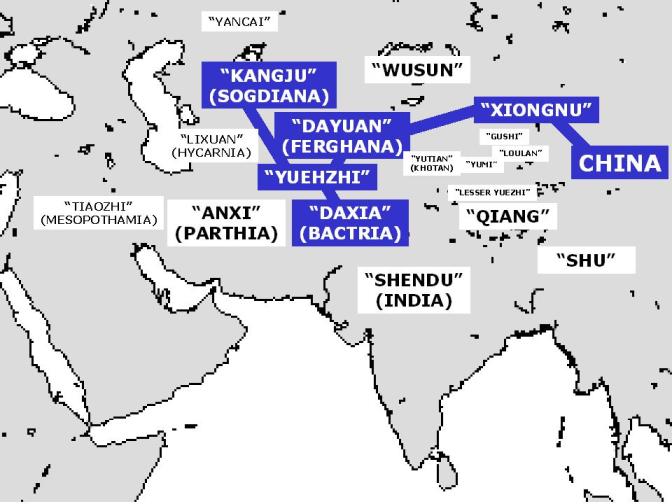
Distance is the hidden cost of empire.
What Zhang Qian “Found”
Intelligence
- States and markets already existed to the west
- Chinese silk was already circulating indirectly
- Ferghana had elite horses
- Trade routes existed — China wasn’t directly plugged in
Strategic Impact
- Han expands into the northwest
- Outposts + garrisons secure corridors
- Horses become a state obsession
- Military infrastructure becomes trade infrastructure
The Silk Road opens when the state makes travel more predictable.
The Silk Road Emerges
- Not one road — a network of routes
- Secured by forts, garrisons, and alliances
- Trade moved in relay segments
- Goods passed through many intermediaries
Students often ask:
Where is Marco Polo?
×
Where is Marco Polo?
- Lived much later: the 13th century
- Traveled during the Mongol Empire
- The Silk Road already existed for 1,300+ years
- Europeans were late participants, not founders
The Silk Road was built by Asian empires and merchants. Europeans showed up near the end.
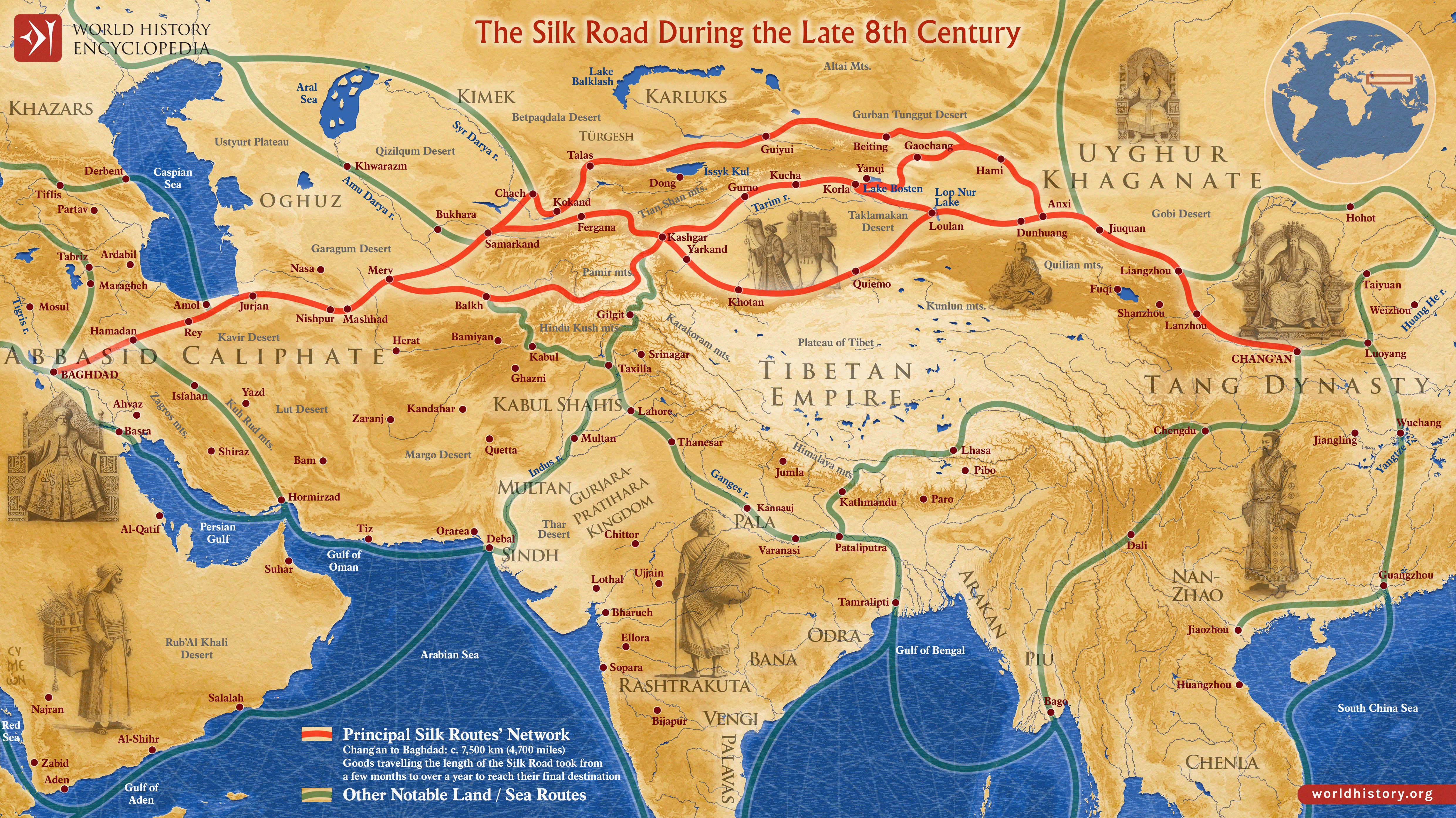
A network connecting China → Central Asia → Persia → Mediterranean worlds.
The Geography of Trade
- Taklamakan crossings and oasis rims
- Mountain barriers (Pamir ranges)
- Extreme climate + constant danger
- Journeys took months to years
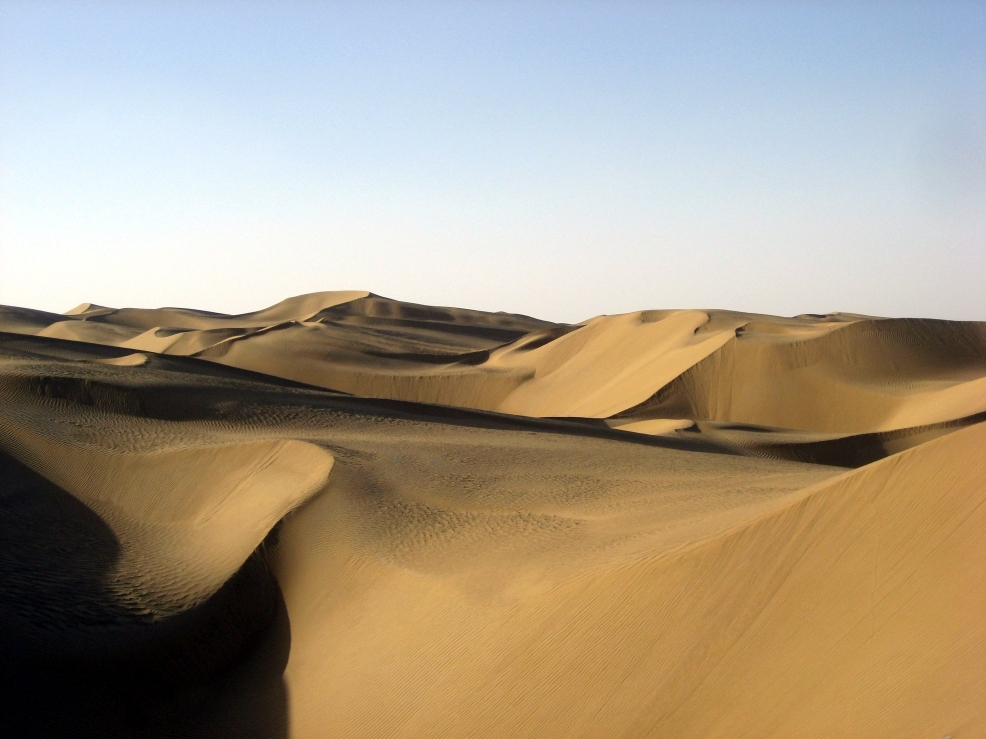
Only luxury goods could survive the economics of distance.
Geography doesn’t care about your empire.
Who Ran the Silk Road?
- Not usually “Chinese merchants” end-to-end
- Trade moved through intermediaries and diaspora networks
- Central Asian merchants (especially Sogdians) were crucial
- States provided security; merchants provided connectivity
Empires create stability. Merchants create globalization.
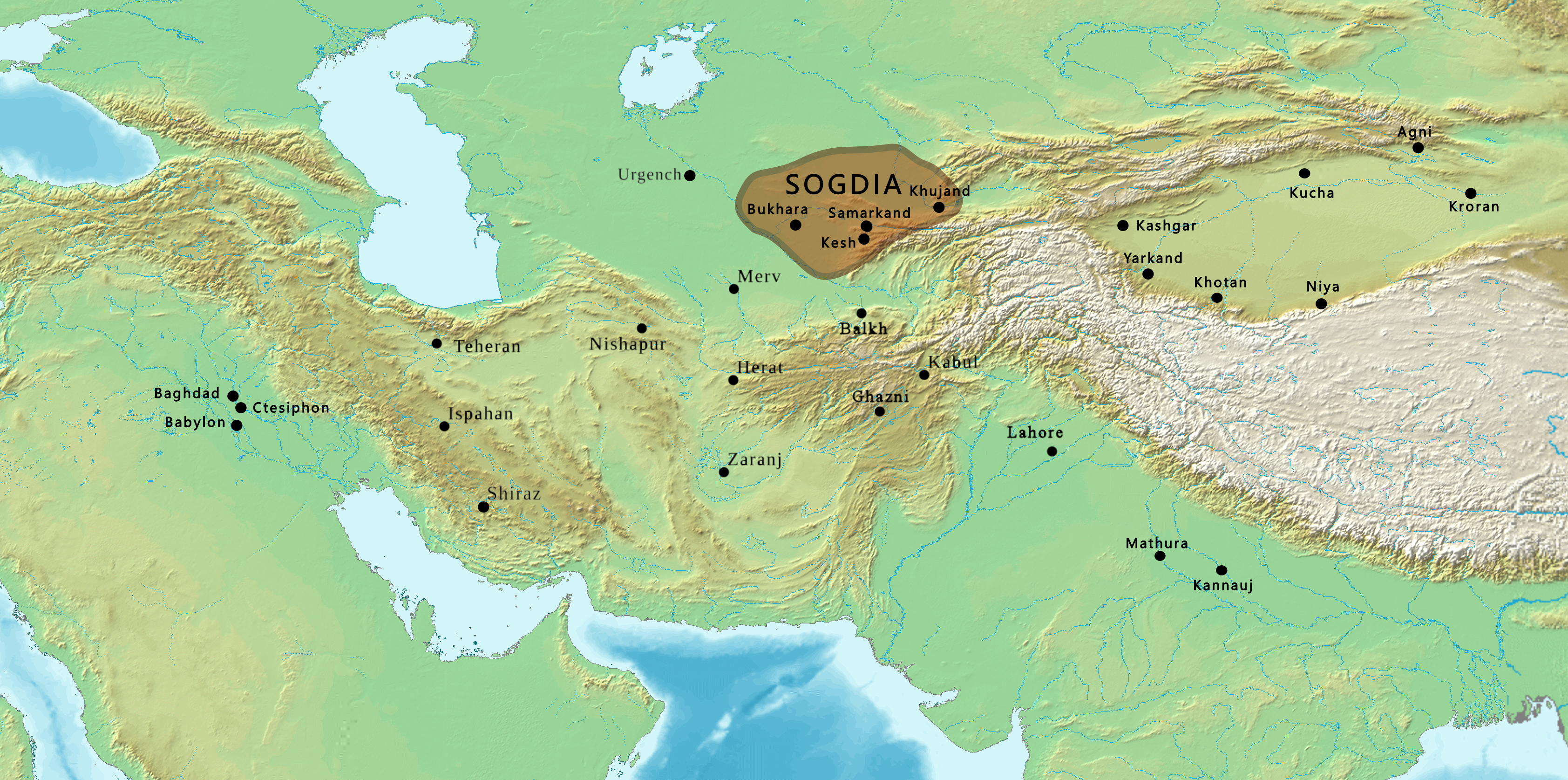
Central Asia was the commercial heart of the system.
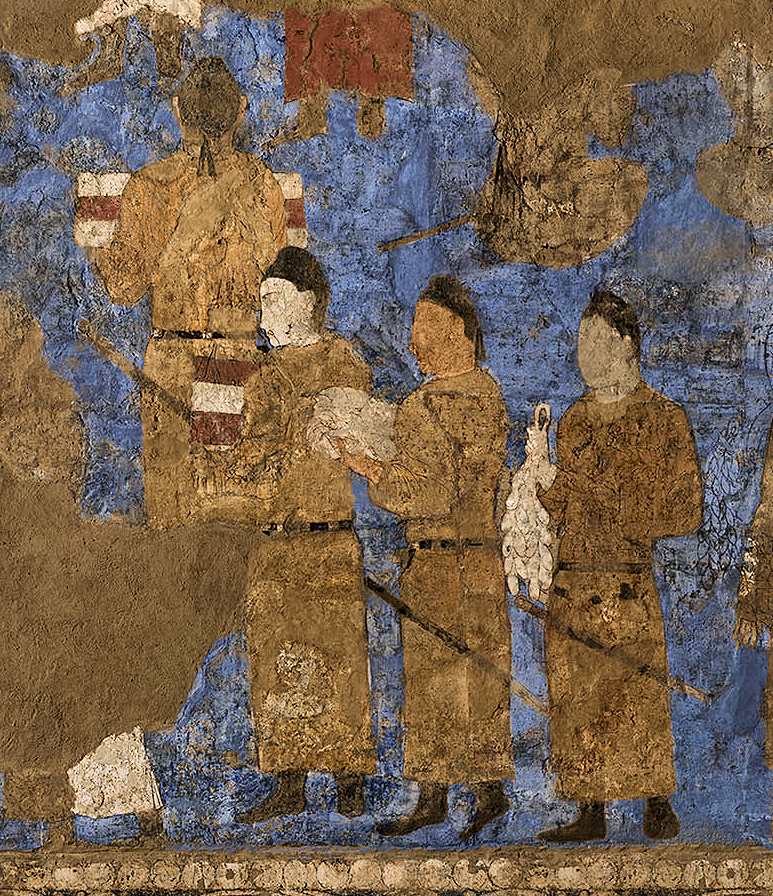
Sogdian merchants: the connectors of Afro-Eurasia.
What Traveled
From China →
- Silk (high value)
- Lacquerware
- Bronze mirrors
- Paper (later)
Into China ←
- Ferghana horses
- Glass and luxury goods
- Metals and gems
- Wool textiles
New Foods
- Grapes
- Walnuts
- Sesame
- Coriander
Goods mattered — but ideas mattered more.
📝 Check Your Understanding
Quick Question
Which statement best describes how Silk Road trade usually worked?
- One merchant traveled China to Rome and back.
- Goods moved in stages through many intermediaries and hubs.
- Trade was mostly government-run and avoided private merchants.
- The Silk Road existed mainly during the time of Marco Polo.
The Most Important Import
Buddhism
Arrives in China in the 1st century CE
Spreads through merchants, monks, and oasis hubs
Trade routes become idea routes.
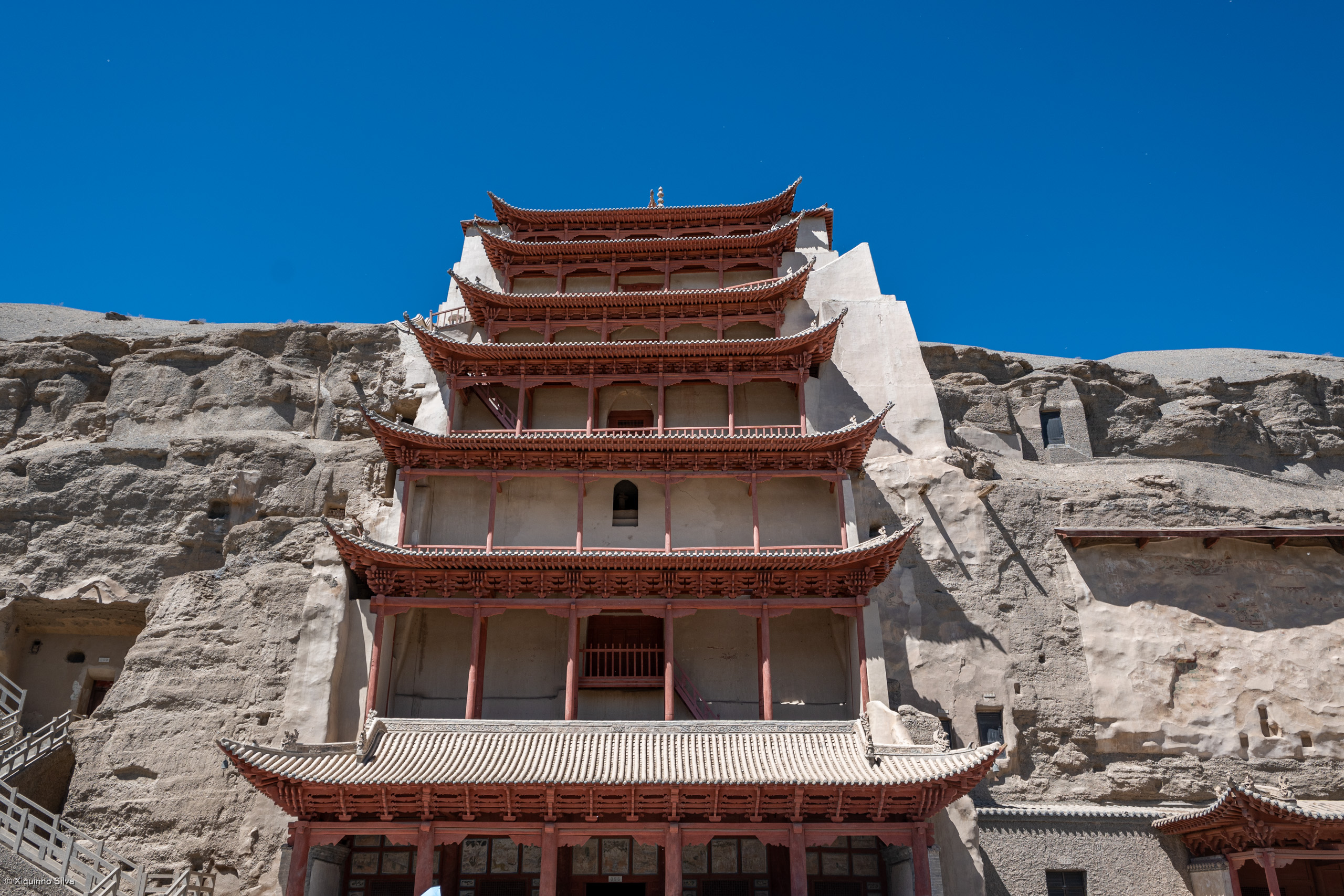
Dunhuang and the Mogao Caves: art + translation on the frontier.
The Cost of Empire
- Western campaigns and permanent garrisons
- Supply chains: food, weapons, horses, pay
- Rising military expenses
- Higher taxes and corvée labor
- Rural strain and resentment
Expansion strengthened the empire abroad but strained it at home.
From Expansion to Crisis
Key link: frontier expansion raised costs that increased internal strain.
1) Western campaigns + garrisons
2) Rising military costs
3) Higher taxes + corvée labor
4) Rural stress (debt, land loss, resentment)
5) Rebellion + militarization (see: Yellow Turbans, 184 CE)
Expansion didn’t “cause” collapse alone — it added pressure to a stressed system.
The Silk Road Paradox
The Han opened the west for security.
It created trade, cultural exchange, and new ideas.
It also increased costs and vulnerability.
The Silk Road made China part of a world it could not fully control.