The Reformer’s Vision
"The reformation of criminals, not their punishment, should be the object of imprisonment."
— Reformers' Creed, 1820sThe Central Question
Can institutions reshape human character and create a moral society?
Reformers believed they could design institutions that would redesign people.
The Experiment
The right environment, structure, and discipline can cure crime, madness, and ignorance.
Prisons, asylums, and schools became testing grounds for theories of human transformation.
Social perfection through institutional engineering.
The World Before Reform
Early Republic Approaches to Crime and Madness
Crime and Punishment (Pre-1790s)
- Public punishment: Whipping posts, stocks, pillories in town squares
- Physical penalties: Branding, mutilation, ear-cropping
- Capital punishment: Hanging for property crimes, murder, arson
- Debtors' prisons: Imprisonment for inability to pay debts
- Local jails: Holding pens, not places of reform
Treatment of the Mentally Ill
- Family care: Most kept at home, often chained or locked in attics
- Poorhouses: Mixed with paupers, criminals, elderly
- Chains and cages: Physical restraint considered necessary
- No treatment: Mental illness seen as incurable, possibly demonic
- Public spectacle: Some displayed for money or entertainment
The Logic of the Old System
Punishment was about:
- Public deterrence through fear and shame
- Retribution, not rehabilitation
- Removal or elimination of the deviant
- Sin as the explanation for crime and madness
The New Philosophy of Reform
Revolutionary Ideas
Old View
- Crime = Sin
- Madness = Moral failing or demonic possession
- Punishment deters through pain and shame
- Some people are simply evil or defective
New View
- Crime = Product of environment and upbringing
- Madness = Curable disease of the mind
- Proper environment and discipline can transform character
- All people can be reformed through science and structure
Core Principles of Moral Reform
- Environmental determinism: Bad environments produce bad behavior; good environments cultivate virtue.
- Perfectibility: Human nature is flexible — improvement is always possible.
- Scientific discipline: Routine, order, and structure can reshape moral character.
- Isolation and reflection: Separation from corruption allows self-examination and reform.
- Institutional solution: Purpose-built environments become laboratories for moral transformation.
The Birth of the Penitentiary
"Penitentiary" — from "penitence" — a place where criminals would reflect on their sins and emerge morally transformed
The Philosophy
- Replace punishment with reformation: Prison should change criminals, not just hurt them
- Scientific discipline: Routine + structure instill habits of order and industry
- Isolation from corruption: Remove prisoners from evil influences
- Moral reflection: Solitude forces confrontation with one's sins
- Religious instruction: Christianity as moral foundation for rebirth
The Promise
A perfectly designed prison system could:
- Cure criminality
- Reduce crime rates
- Transform convicts into productive citizens
- Model moral order for all social institutions
Two Competing Systems:
Pennsylvania vs. Auburn
Pennsylvania System
(Separate Confinement)
Eastern State Penitentiary, Philadelphia (1829)
- Complete isolation: Prisoners kept in individual cells 24/7
- No inmate contact
- Work alone inside cell
- Exercise alone in walled yard
- Meals delivered to cell
- Religious instruction only human contact
Auburn System
(Congregate Labor)
Auburn Prison, New York (1821)
- Solitary at night: Individual cells
- Work together during day
- Eat together in silence
- Lockstep marching as discipline
- Absolute silence rule: No talking ever
- Enforced by violence
Pennsylvania System:
The Reality of Total Isolation
The Cell 📷
- Dimensions: 8 × 12 ft
- Stone walls: cold, damp, sound-deadening
- Skylight: the “eye of God”
- Exercise yard: totally enclosed
- Furniture: bed, stool, small table, Bible
Daily Routine 📷
- 6:00 AM: Work begins in cell
- 8:00 AM: Breakfast through slot
- Noon: Lunch through slot
- Work continues in silence
- 6:00 PM: Supper through slot
- Exercise: One hour alone
- Evening: Bible reading & prayer
- 9:00 PM: Lights out
- Routine repeated for years
Human Contact
The only people a prisoner might see:
- Prison chaplain (weekly)
- Guards passing food (no talking)
- That’s all — sometimes for years
Pennsylvania System:
The Psychological Toll
"I believe that very few men are capable of estimating the immense amount of torture and agony which this dreadful punishment, prolonged for years, inflicts upon the sufferers."
— Charles Dickens, visiting Eastern State Penitentiary, 1842What Total Isolation Does to the Human Mind
Documented Effects
- Hallucinations: Visual and auditory, often within weeks
- Time distortion: Loss of sense of days, weeks, months
- Self-harm: Injury for stimulation or escape
- Talking to themselves: Constant muttering or shouting to hear a voice
- Catatonia: Some prisoners become unresponsive
- Insanity: Lasting psychological damage
- Suicide: Higher rates than in other prison systems
Prison Doctors' Observations
From Eastern State annual reports:
- "Prisoner 127 has been found beating his head against the wall repeatedly."
- "Prisoner 204 no longer responds to questions or acknowledges presence of others."
- "Prisoner 89 transferred to insane asylum after two years of separate confinement."
- "Several prisoners have attempted to blind themselves to escape to the infirmary."
Auburn System: Congregation and Control
The Auburn Compromise
Theory: Prisoners work together during the day (economically productive) but are kept in solitary at night and under absolute silence at all times.
The Silence Rule
Total Prohibition
- No talking — ever, under any circumstances
- No looking at other prisoners
- No gestures or signs
- Eyes on your work at all times
- Lockstep marching: hand on the shoulder of the man ahead
Enforcement
The Cat-o’-Nine-Tails
Punishment for breaking silence:
- Whipping: administered publicly as warning
- “Shower bath”: ice-cold water poured from height
- “Yoke”: iron collar preventing sitting or lying
- Dark cells: pitch-black solitary with reduced rations
- Ball and chain: heavy iron ball shackled to ankle
A Day in the Life of an Auburn Inmate
5:30 AM — Wake
- Bell rings. Stand at cell door in silence.
- Cells unlocked in sequence
- March in lockstep to workshop
- Hand on shoulder. Eyes down. No talking.
6:00 AM – 12:00 PM: Work
- Contract labor: shoes, barrels, tools, furniture
- Benches arranged back-to-back to prevent communication
- Guards patrol with whips
- Total silence enforced
- Talking = whipping; looking at another prisoner = whipping; working too slowly = whipping
12:00 PM — Dinner
- Lockstep march to dining hall
- Sit in rows, facing forward
- Food passed in silence
- Eat staring straight ahead; guards watch for violations
12:30 PM – 6:00 PM: Work
- Return to workshop in lockstep
- More labor in complete silence
- Ten hours daily, six days a week
6:30 PM — Supper and Evening
- Silent supper
- March back to cells
- Locked in alone for the night
- Bible reading by dim light; sleep on hard bed
Sundays
- Chapel service — prisoners sit in isolation boxes, can see only the chaplain
- Return to cell for remainder of day
- Alone with Bible
This is life for 5, 10, even 20 years. Many do not survive Auburn.
The Economic Dimension of Prison Labor
Why Auburn Won
Auburn system became dominant across America — not because it was more humane, but because it was more profitable
Contract Labor System
Private companies contracted with prisons to use inmate labor. Companies provided raw materials; prisoners produced finished goods. State made profit; company got cheap labor.
Shoes, barrels, furniture, tools, clothing, chairs, brushes, carpets. Auburn Prison became a factory.
By 1830s, Auburn Prison was self-supporting. By 1840s, it was generating profit for the state.
The Dark Side
- Free workers hated it: Prison labor undercut wages and jobs
- Exploitation of prisoners: Long hours, harsh conditions, no pay
- Punishment intensified: Guards pushed productivity through violence
- Rehabilitation forgotten: System became about profit, not reform
Did It Work?
Assessing Prison Reform
The Promise vs. The Reality
What Reformers Promised
- Moral transformation of criminals
- Low recidivism rates
- Prisoners emerging as productive citizens
- Reduction in crime
- Model for social order
What Actually Happened
- Prisoners brutalized, not reformed
- High recidivism rates
- Many released prisoners mentally damaged
- Crime rates continued rising
- System produced obedience through fear
- Overcrowding: Prisons built for 300 held 1,000. Cells designed for one held three.
- Brutal discipline: Violence became routine, not exceptional
- Economic priority: Profit mattered more than rehabilitation
- Class and race: System primarily imprisoned poor, immigrants, Black Americans
- Psychological damage: Isolation and silence broke people rather than reformed them
The penitentiary created obedient subjects through trauma, not moral citizens through reflection
But reformers believed they had created a scientific solution to crime. Other states rushed to copy the model.
Mental Illness Before Reform:
The Horror of "Care"
Where Were the Mentally Ill?
Kept at Home
- Hidden away: Locked in attics, cellars, sheds
- Chained or caged: Physical restraint to prevent "violence"
- Poorly fed: Often given minimal food
- Family shame: Mental illness seen as family curse or moral failing
- No treatment: Simply contained
Poorhouses and Jails
- Mixed population: Mentally ill with criminals, paupers, elderly, disabled
- Chains and cells: Confined like criminals
- Filthy conditions: No sanitation, no heat
- Violence: Beaten by keepers, abused by other inmates
- Public display: Some exhibited for entertainment
Early Asylums (Before Reform)
A few institutions existed, but they were houses of horror:
- Bedlam in London: Famous for visitors paying to watch inmates like zoo animals
- Physical restraints: Straitjackets, chains, iron collars
- "Medical" treatments: Bloodletting, purging, induced vomiting, blistering
- Cold water "therapy": Sudden immersion in ice water to "shock" sanity back
- Spinning chairs: Patients strapped to chairs and spun rapidly until unconscious
- The belief: Physical punishment could drive out madness
Dorothea Dix: The Crusader
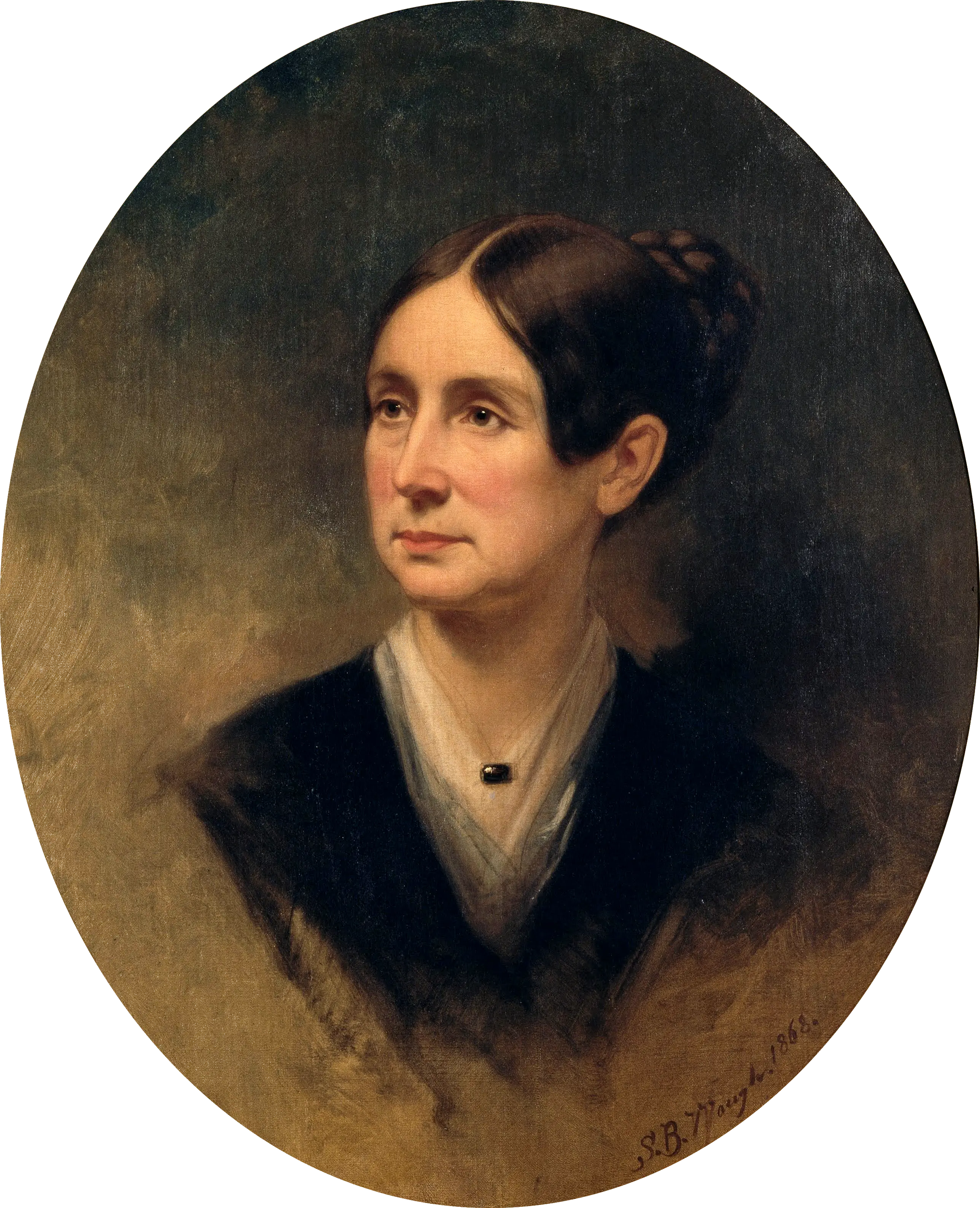
Who Was Dorothea Dix?
- Born 1802: Difficult childhood, early experience with mental illness in family
- Schoolteacher: Educated, middle-class, deeply religious
- 1841 turning point: Visited East Cambridge jail to teach Sunday school
What She Saw at East Cambridge Jail
Dix found mentally ill women:
- Locked in unheated cells in winter
- No clothing, no blankets
- Sitting in their own waste
- Chained to walls
- Guards said heat would "excite" them
Dix was horrified. She decided to investigate every facility in Massachusetts.
Dorothea Dix: Her Investigation
What She Did (1841–1843)
Personally visited every jail, poorhouse, and asylum in Massachusetts
- Over 300 institutions investigated
- Took detailed, systematic notes
- Documented conditions with precision
- Traveled alone as an unmarried woman — shocking for the era
What She Found
The mentally ill across Massachusetts:
- Chained in cellars like animals
- Caged in pens with no shelter
- Beaten regularly by keepers
- Kept in unheated sheds through Massachusetts winters
- Starved on minimal rations
- Left to die in filth with no medical care
Dix's Memorial to the Legislature
"I proceed, gentlemen, briefly to call your attention to the present state of insane persons confined within this Commonwealth, in cages, closets, cellars, stalls, pens! Chained, naked, beaten with rods, and lashed into obedience!"
— Dorothea Dix, Memorial to the Massachusetts Legislature, January 1843Specific Examples from Her Memorial
Case Studies Dix Presented
- Newburyport: "A woman imprisoned for years in a cage so low she could not stand upright"
- Danvers: "A man chained in an unheated shed for 17 years, in all weather"
- Saugus: "A young man confined in a cellar beneath a barn, never seeing sunlight"
- Granville: "A woman kept in a pen made for animals, never clothed"
Her Argument
Three Key Points:
- Moral outrage: This treatment is un-Christian and inhumane
- Medical argument: Insanity is a curable disease, not moral failing
- Economic argument: Proper treatment will cure patients, who can then return to productive life
The Result
Massachusetts appropriated funds to expand Worcester State Hospital (1843)
Dix didn't stop. She spent the next 40 years traveling across America, investigating conditions and lobbying state legislatures. She was directly responsible for founding or expanding 32 mental hospitals.
Moral Treatment: The New Approach
The Philosophy of Moral Treatment
Revolutionary idea: Mental illness is a disease that can be cured through kindness, structure, and proper environment
Core Principles
- Kindness and Respect
- Physical Comfort
- Structured Routine
- Productive Work
- Recreation
- Minimal Restraint
The Ideal Asylum
- Rural setting
- Beautiful grounds
- Small scale
- Classification
- Medical superintendent
Early Success of Moral Treatment
The First Generation: Small, Well-Funded Asylums
The Second Generation: The System Overwhelmed (1850s-1860s)
What Went Wrong
- Massive overcrowding: Asylums built for 200 held 800
- Chronic cases: People with severe, long-term illness filled beds
- Poorhouse transfers: States dumped their poorhouse mentally ill into asylums
- Underfunding: State legislatures refused adequate appropriations
- Staff shortage: Not enough trained attendants
Living Conditions
- Wards: Large rooms with 40-60 beds in rows
- No privacy: Patients living in constant view of others
- Noise and chaos: Constant shouting, crying, agitation
- Violence: Patients fighting; attendants using force
- Restraints returning: Straitjackets, leather cuffs, locked rooms
Daily Routine in an Overcrowded Asylum
- 6:00 AM: Wake, wash (if water available), dress
- 7:00 AM: Breakfast in large dining hall — institutional food
- 8:00 AM - 12:00 PM: "Occupation" — work assignments or sitting in day room
- 12:00 PM: Dinner
- 1:00 PM - 5:00 PM: More "occupation" or enforced sitting
- 6:00 PM: Supper
- 7:00 PM - 9:00 PM: Day room time
- 9:00 PM: Bed
Who Was in the Asylum?
Diagnoses: What “Insanity” Meant
Common diagnoses in 19th-century asylums:
- Mania: Agitation, delusions, violence
- Melancholia: Deep depression, suicide risk
- Dementia: Age-related cognitive decline
- Moral insanity: Catchall for social deviance
- Hysteria: Nervous disorders, catchall diagnosis for women — Learn more
- Intemperance: Alcoholism as mental illness
- Masturbation: "Self-Abuse" Believed to be both a cause and symptom insanity — Learn more
Who Really Ended Up in Asylums?
- The poor: No family able to care for them
- Immigrants: Cultural outsiders labeled “mad”
- Women: Punished for violating gender roles
- The elderly: Dementia with nowhere else to go
- Epileptics: Seizures mistaken for insanity
- The “inconvenient”: Unwanted family members
That's It for the Classroom

Go Forth and Learn
Education Before Reform
Pre-1820s Schooling
The Wealthy
- Private tutors or academies
- Classical education: Latin, Greek, rhetoric
- College preparation: Harvard, Yale, Princeton
- Education as mark of class status
Everyone Else
- Dame schools: Women teaching basics in homes
- District schools: One-room, seasonal, poorly funded
- Apprenticeships: Learning trades, not academics
- Self-taught: Reading, writing, arithmetic at home
- Many received no formal education
Problems with the Old System
- No standardization: Every district different
- Poor quality: Teachers often barely literate themselves
- Short school year: Three months in winter when farm work slowed
- No state oversight or funding
- No teacher training
- Regional inequality: Cities better than rural areas
- Class inequality: Rich got education; poor did not
The Literacy Gap
By 1820s:
- New England: ~90% male literacy
- Mid-Atlantic: ~75% male literacy
- South: ~60% white male literacy
- Women's literacy: Lower across all regions
- Enslaved people: Illegal to teach in most slave states
Horace Mann and the Common School Movement
Who Was Horace Mann?
- Born 1796: Poor family in Massachusetts
- Self-educated: Worked his way through Brown University
- Lawyer and politician: Massachusetts state legislature
- 1837: Appointed first Secretary of Massachusetts Board of Education
- Mission: Transform education into system of universal common schools
Mann's Vision
"Education, then, beyond all other devices of human origin, is the great equalizer of the conditions of men—the balance-wheel of the social machinery."
— Horace Mann, Twelfth Annual Report, 1848The Common School Idea
"Common school" = school common to all children regardless of wealth or background
- Free and universal: Tax-funded, open to every child
- Non-sectarian: Protestant values but not denominational
- Standardized: Common curriculum across state
- Professionally taught: Trained teachers in well-equipped buildings
- Comprehensive: Academic subjects plus moral training
Why Common Schools?
The Reformers' Arguments
Multiple Justifications
Democracy requires educated voters who can read, think, and participate. Ignorant citizens cannot self-govern. Schools create informed citizenry.
Industrial economy needs literate, numerate workers. Education creates productive labor force. States with good schools would have economic advantage.
Cities filled with poor immigrants threaten stability. Education assimilates and disciplines. Schools teach obedience, punctuality, respect for authority. Prevention of crime through moral training.
Schools as institutions of character formation. Teaching Protestant values and middle-class morality. Creating virtuous citizens who internalize self-discipline.
Education as pathway to success. Poor children could rise through merit and learning. Alternative to hereditary privilege. (This was the promise, anyway.)
Schools would create orderly, productive, moral citizens who accepted their place in the social order
Mann's Reforms in Massachusetts (1837-1848)
What Mann Actually Did
Convinced legislature to double state education budget. Required local districts to provide minimum funding. Built new schools across state.
Established first teacher training schools in America (1839). Created professional standards for teachers. Developed teaching methods and curriculum.
Common subjects: Reading, writing, arithmetic, grammar, geography, history. Plus moral instruction through McGuffey Readers and Bible study. Age-graded classrooms.
Created county superintendents to inspect schools. Wrote annual reports on education conditions. Published Common School Journal to spread ideas.
Pushed for longer school terms — from 3 months to 6 months minimum. Eventually toward modern school calendar.
Better buildings with ventilation, heating, lighting. Blackboards, maps, books for every school. Making school environment conducive to learning.
The Common School Classroom
Physical Space
- One-room schoolhouse (still common) or graded school building (cities)
- Students seated in rows: Desks facing teacher
- Teacher's desk at front with blackboard behind
- Woodstove for heat (students took turns stoking)
- Windows for light
- Maps and moral mottoes on walls
Daily Routine
- 8:30 AM: Opening exercises — prayer, hymn, moral reading
- 9:00 AM: Reading lesson — students recite in turn
- 10:00 AM: Writing practice — penmanship drills
- 11:00 AM: Arithmetic — problems on slate boards
- 12:00 PM: Lunch break
- 1:00 PM: Geography or history lesson
- 2:00 PM: Grammar — parsing sentences
- 3:00 PM: Spelling bee
- 3:30 PM: Closing hymn and prayer
- 4:00 PM: Dismissal
Teaching Methods
- Rote memorization: Learning by repetition
- Recitation: Students called to front to recite lessons
- Oral instruction: Teacher lectures; students listen
- Moral lessons: McGuffey Readers combining literacy with virtue
- Discipline: Rules strictly enforced, corporal punishment common
The Hidden Curriculum:
What Schools Really Taught
Beyond the Three Rs
Schools taught academic subjects, but they also socialized children into middle-class values and industrial discipline
Lessons Not in the Textbooks
School bell at precise time. Late students punished. Preparation for factory clock discipline.
Teacher's word is law. No questioning or talking back. Training for hierarchical workplace.
Hours of enforced quiet and stillness. Bodies disciplined along with minds. Preparation for sedentary labor.
Students constantly compared and graded. Winners and losers identified. Meritocracy internalized.
Different expectations for boys and girls. Girls taught domestic virtues; boys taught leadership. Reinforcing separate spheres.
History lessons emphasizing American exceptionalism. Patriotic rituals. Assimilation of immigrants.
McGuffey Readers teaching honesty, industry, sobriety, deferred gratification. Middle-class values as universal.
Compulsory Education Laws, 1852–1918
- 1852 Massachusetts passes the world's first compulsory-school law: every child 8–14 must attend school 12 weeks/year.
- 1867 Massachusetts hires the first truancy officers—badge-carrying "attendance men."
- By 1900 every Northern state (and most border states) mandates school attendance.
- 1918 Mississippi becomes the last state; America now has universal compulsory education.
- Legal hinge: education shifts from voluntary civic duty to enforceable state obligation.
"I was taken by the truant officer and carried to school."
—Booker T. Washington, Up from Slavery (1901)
Resistance and Limitations
Not Everyone Wanted Common Schools
Needed children's labor income. Couldn't afford to lose their work. Resented middle-class values being imposed. Saw schools as removing children from family economy.
Catholics objected to Protestant instruction. Wanted to preserve native languages. Feared assimilation eroding cultural identity. Irish especially resistant.
Farm families needed children for seasonal labor. Long distances to schools. Preferred local control to state standardization.
Didn't want their children mixing with poor and immigrants. Continued using private schools and academies. Resented taxes for common schools.
Who Was Left Out?
- African Americans: Excluded from most common schools. Separate and inferior schools where any existed. In South, education of free Blacks restricted or prohibited.
- Enslaved people: Education illegal in most slave states. Teaching enslaved person to read = criminal offense.
- Native Americans: Forced into "Indian schools" designed to destroy cultural identity.
- Very poor children: Despite "free" schools, many couldn't attend due to need for their labor or lack of clothing.
Common schools were common—but not for everyone
Did School Reform Succeed?
Real Achievements
- Dramatic increase in literacy
- Free education becoming norm
- Professional teaching emerging
- Better facilities and resources
- Standardized curriculum
- More children in school longer
Persistent Problems
- Racial segregation and exclusion
- Class inequality in quality
- Rural-urban disparities
- Cultural imperialism
- Limited opportunities for poor
- Gender segregation in curriculum
What Schools Actually Did
Created literate, disciplined workforce
- Prepared workers for industrial economy
- Taught habits of punctuality, obedience, routine
- Standardized language and values
- Assimilated immigrants (partially)
Reproduced social hierarchy
- Working-class children prepared for working-class jobs
- Middle-class children prepared for professional careers
- Poor and minority children often excluded entirely
- Education reinforced existing inequalities as much as challenged them
Schools did create more educated citizens—but also created more disciplined subjects
The question remains: Education for liberation or for control?
Conclusion:
The Tension at the Heart of Reform
The Paradox of Institutional Reform
"We will make you free by controlling you. We will perfect you by confining you. We will create moral citizens by breaking your will."
— The unspoken logic of antebellum reformTwo Faces of Reform
Compassion
- Genuine horror at suffering
- Desire to help and heal
- Belief in human improvability
- Optimism about social progress
- Democratic ideal of opportunity
Control
- Fear of social disorder
- Desire to discipline "dangerous classes"
- Imposition of middle-class values
- Creation of compliant subjects
- Reproduction of hierarchy
What Reform Accomplished
Real Improvements:
- End of most brutal physical punishments
- Recognition of rehabilitation over vengeance
- Public responsibility for vulnerable populations
- Universal education becoming reality
- Professional approach to social problems
But Also Created:
- New forms of psychological control
- Institutions as warehouses for unwanted people
- Discipline disguised as care
- Middle-class cultural imperialism
- Systems that reproduced inequalities they claimed to solve
Final Reflection:
The Legacy of the Moral Laboratory
Questions to Consider
Reformers believed the right structure could transform character. But can you engineer virtue? Or do institutions just create compliance?
Reformers claimed universal values but imposed middle-class Protestant standards. Whose morality gets institutionalized?
Were these institutions about helping people—or managing them? About liberation—or discipline? Can reform be both compassionate and coercive?
Reformers removed people from families and communities for "their own good." What is lost when problems are institutionalized?
The moral laboratory of the 1820s-1860s created modern institutions—prisons, asylums, schools—that still shape our lives today
We inherit both their compassion and their contradictions. The question remains: Can we design institutions that truly liberate rather than just control?