Lecture 1
The Democratization of Culture:
Print, Literacy, and the New Public
Popular Culture in America, 1815–1850
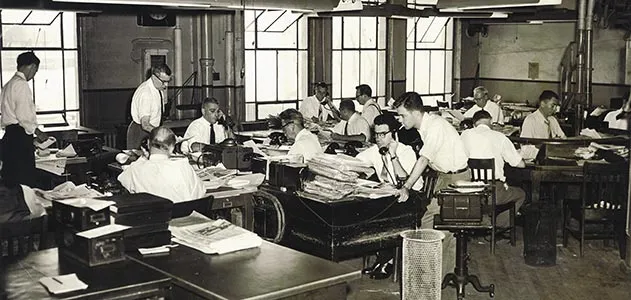
Setting the Scene: 1815
A Cultural Turning Point
- Post-War of 1812 nationalism and rising literacy
- Urban growth and expanding markets
- Steam technology enables faster printing
- Cultural institutions begin to democratize
🏛️ THE POSTAL ACT OF 1792
The Information Superhighway
Newspapers mailed at extremely low rates (often free between publishers)
Creates a national information network: news from Washington reaches frontier towns
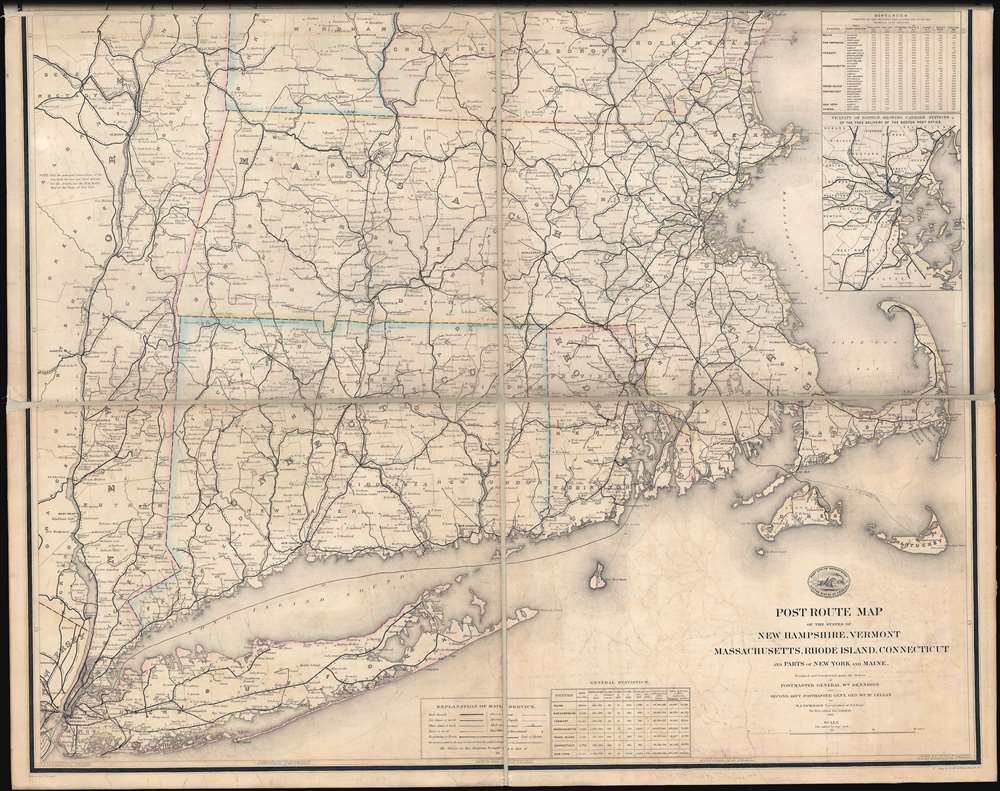
Why would the federal government subsidize newspaper distribution?
Understanding the Public Sphere
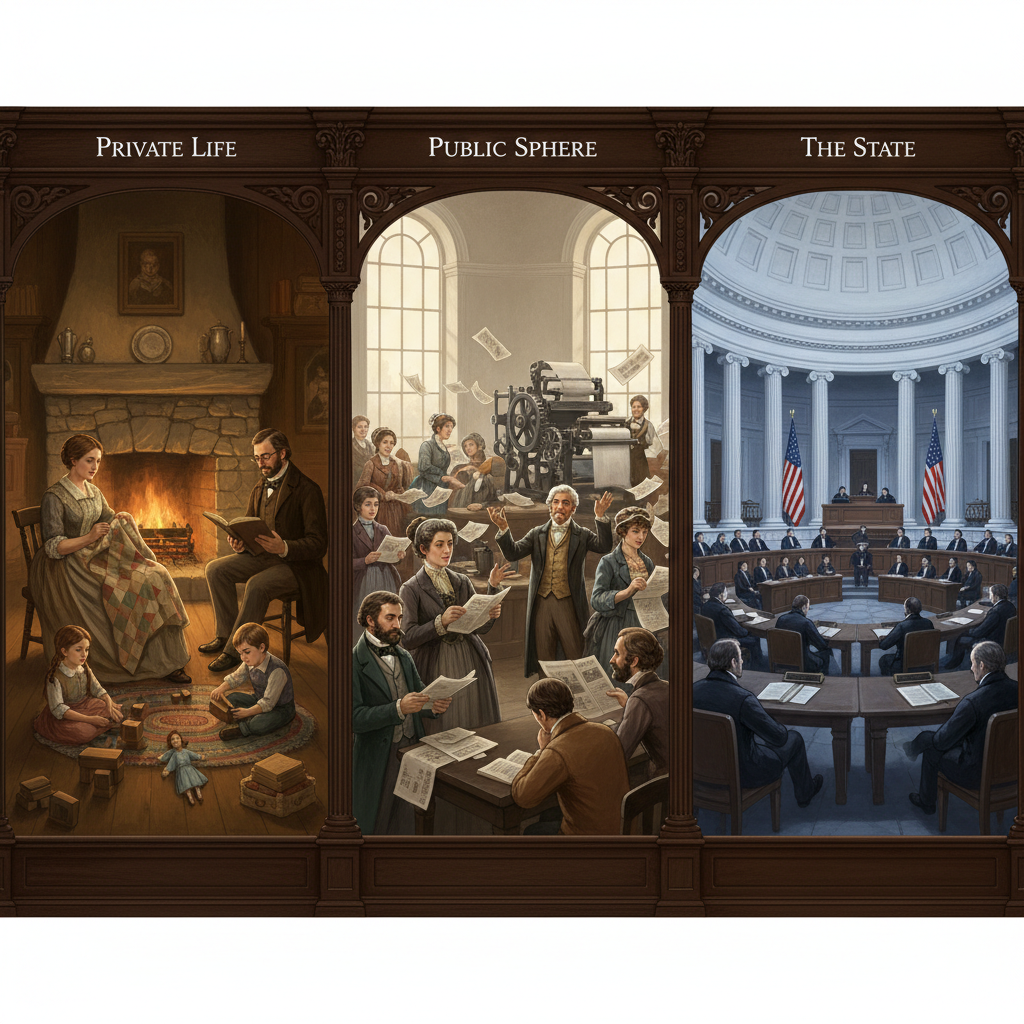
What is the Public Sphere?
- A social space where private individuals discuss public matters
- Distinct from private life (family, home)
- Distinct from the state (government)
- Created through communication—newspapers, pamphlets, lectures
- Access based on literacy and participation (ideally)
The Print Revolution: Scale & Impact
Technological Innovation
- Steam presses, mass-produced paper, stereotyping
Economic Innovation
- Advertising replaces subscriptions as primary revenue
Social Impact
- Literacy expands across class and region
- Print becomes a commodity, not a luxury
Key Example
- Benjamin Day's New York Sun (1833)—news for a penny
BY THE NUMBERS
- ~1,000 newspapers by 1835
(vs. ~200 in 1800) - ~75% literacy among white men
- ~50% among white women by 1840
- Book prices drop from $1.50 to 25¢

The Penny Press: A New Business Model
The Innovation
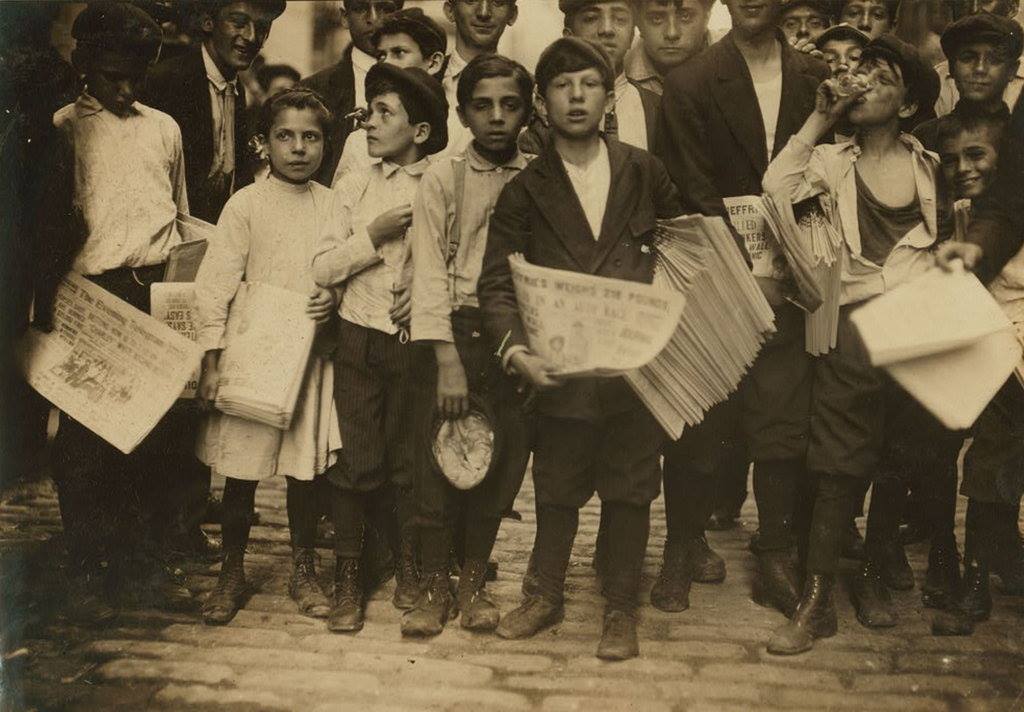
- Newspapers sold for 1¢ (not 6¢)—affordable to working-class readers
- Sold on streets by newsboys, not by subscription
- Advertising revenue replaces subscriber fees
- Mass circulation = mass influence
The Players
- New York Sun (1833) – Benjamin Day
- New York Herald (1835) – James Gordon Bennett
- New York Tribune (1841) – Horace Greeley
Why would selling papers on the street change what gets published?
Sensationalism: Where's the Line?
What the Penny Press Published
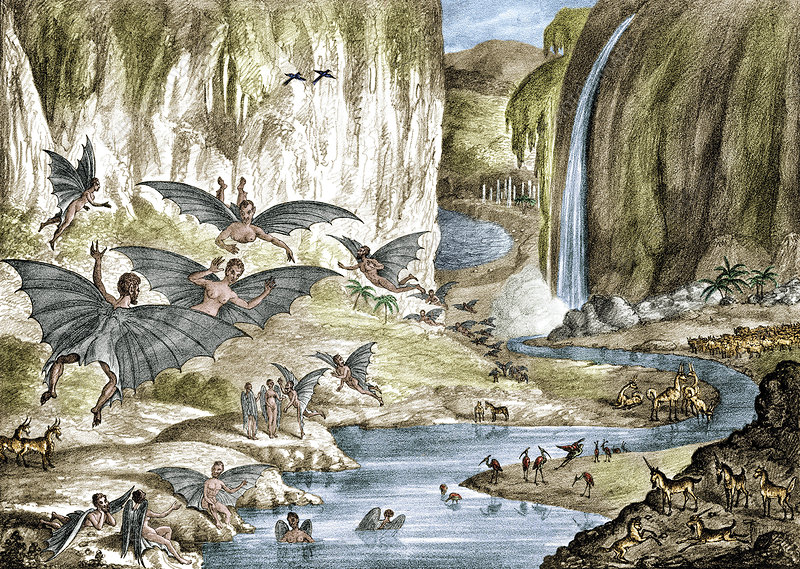
- The Great Moon Hoax (1835): “scientists” discover winged humanoids on the moon
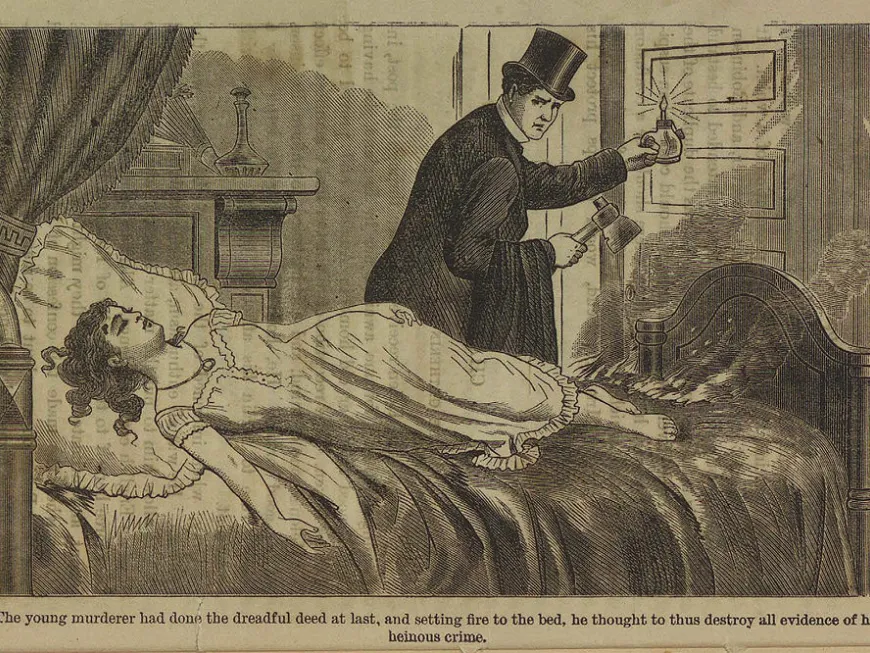
- Helen Jewett murder case (1836): sex worker’s death becomes daily drama
- Crime, scandal, spectacle — anything that sells papers
CRITICAL QUESTION:
Where is the boundary between truth and entertainment?
Impact on Democracy
- Ordinary readers become participants in shared public conversation
- Journalism shifts from “information” to “performance”
Sentimental Fiction & Female Readers
The "Scribbling Women"
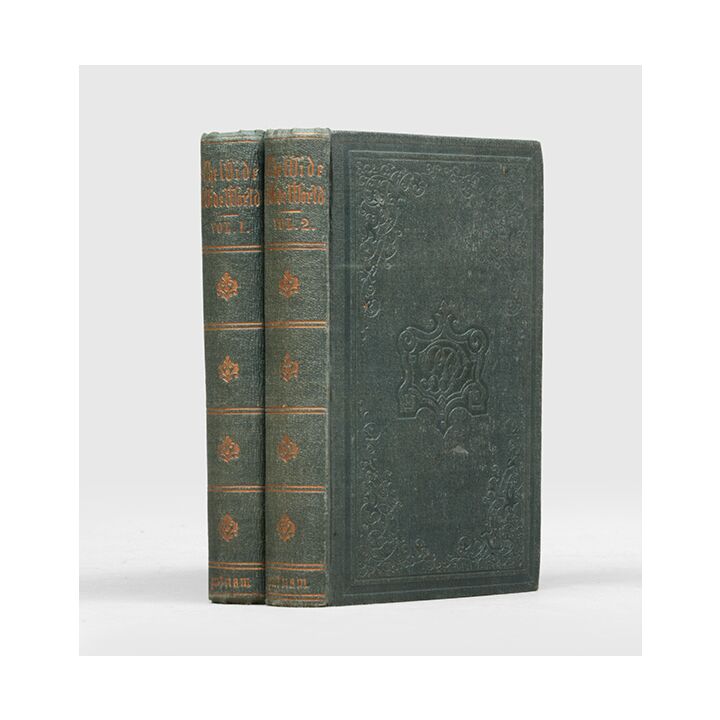
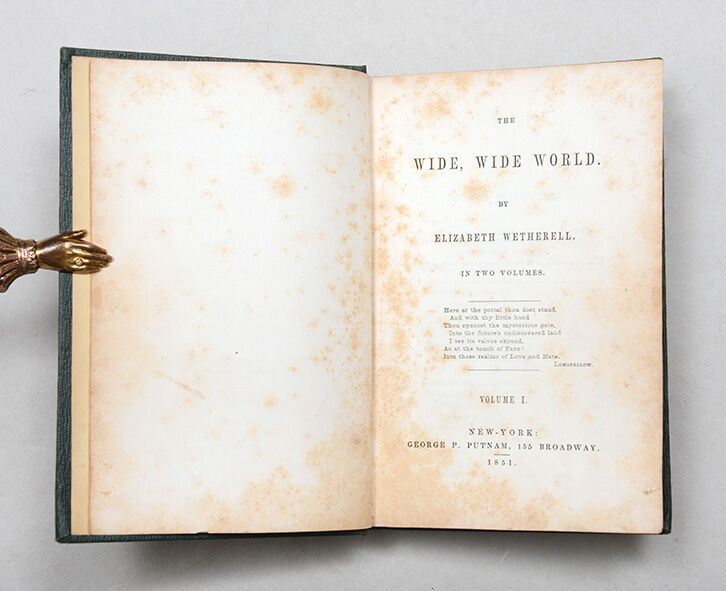
- Susan Warner (The Wide, Wide World, 1850)
- Maria Cummins (The Lamplighter, 1854)
- E.D.E.N. Southworth (The Hidden Hand, serialized)
Cultural Significance
- Blend of sentiment and moral didacticism
- Novels teach "emotional literacy"—feeling becomes virtuous
- Female reading publics gain cultural authority
Link forward: Emotional reading prepares ground for Lecture 2's religious feeling
Visual Print Culture: Images for the Masses
Lithography Revolution (1820s–1830s)
- Cheap decorative prints enter middle-class homes
- Currier & Ives (founded 1834) mass-produce American scenes
Political Cartoons & Illustrated Newspapers
- Visual culture democratizes alongside textual culture
- Images shape national myths — frontier, domesticity, prosperity
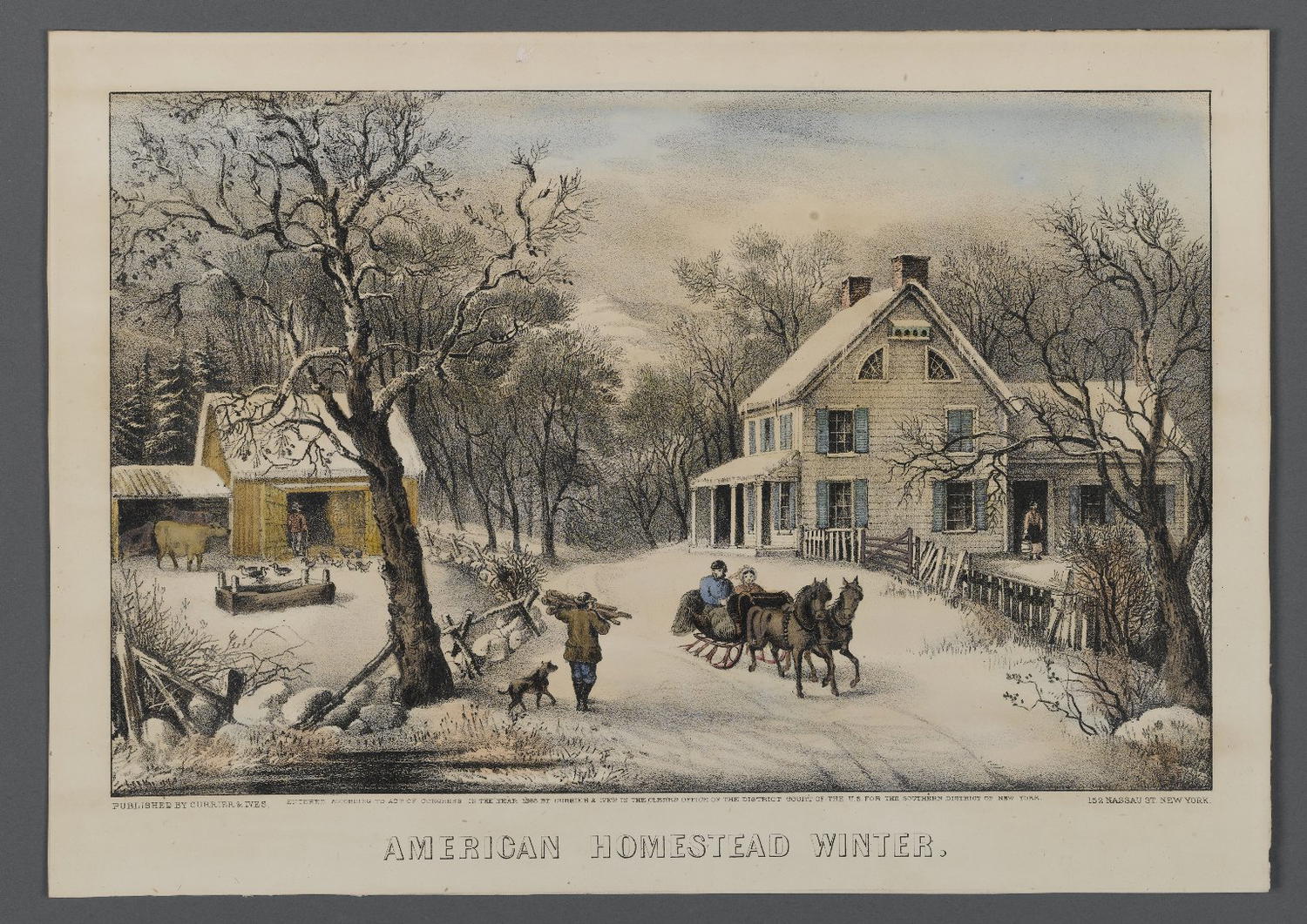
Americans could now see idealized versions of themselves and their nation hanging on their walls.
The Lyceum Movement: Education, Culture, and Spectacle
What Were Lyceums?
The Lyceum movement began in the 1820s as a network of local associations devoted to adult education, civic improvement, and moral uplift. These organizations hosted lectures, debates, and demonstrations designed to bring knowledge to ordinary citizens.
Founded by Josiah Holbrook in 1826, the lyceum became the backbone of antebellum public culture—where Americans could learn about science, literature, reform, and philosophy outside formal schools.
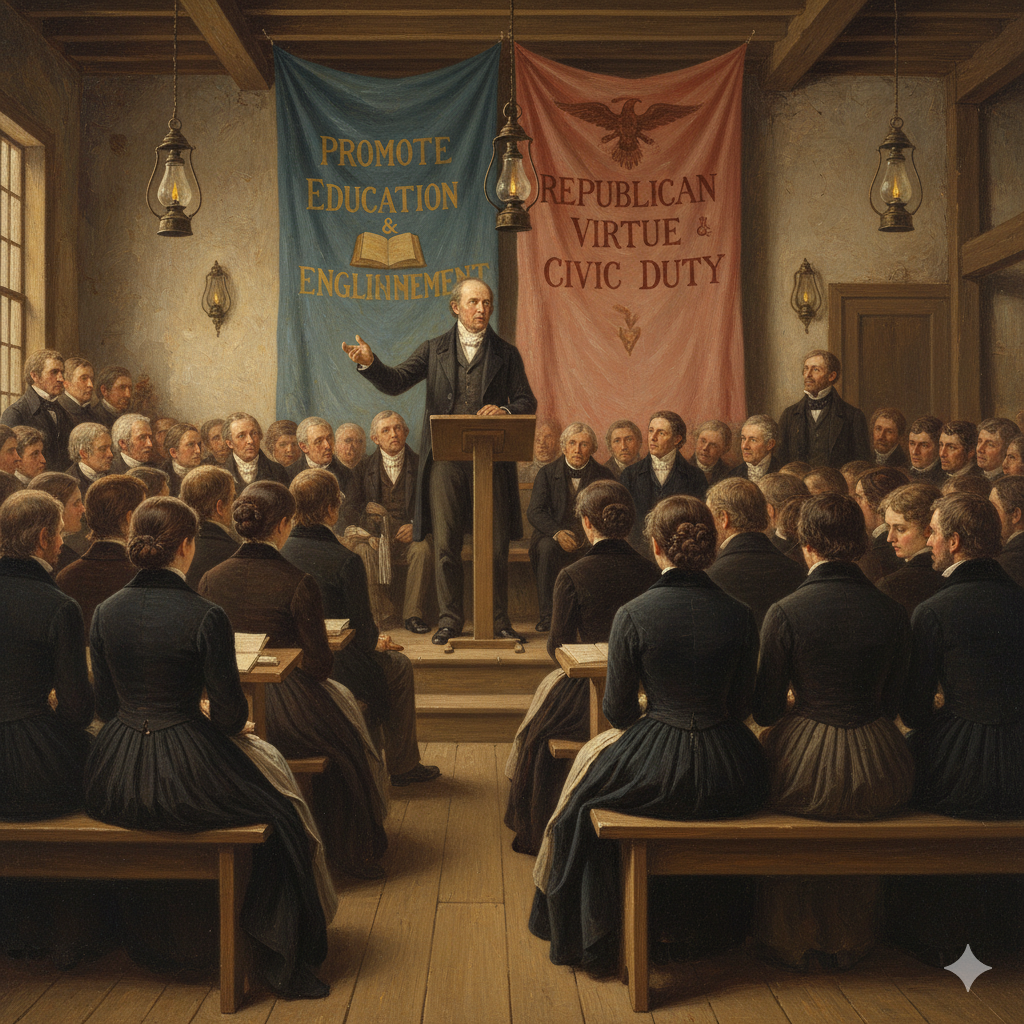
High Culture and Moral Philosophy
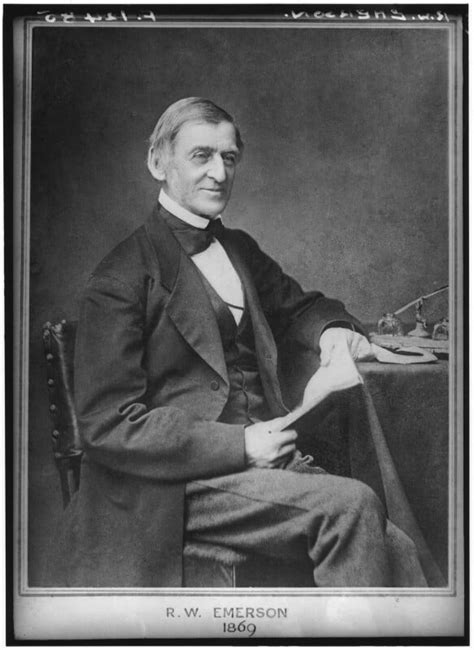
Prominent writers and thinkers like Ralph Waldo Emerson brought Transcendentalist ideas to Lyceum audiences. Their lectures on self-reliance, moral philosophy, and the pursuit of truth helped popularize intellectual and literary culture among the middle class.
Emerson’s tours through small towns and city halls made philosophy a public performance, accessible to tradesmen, teachers, and farmers alike.
Popular Science and Spectacle
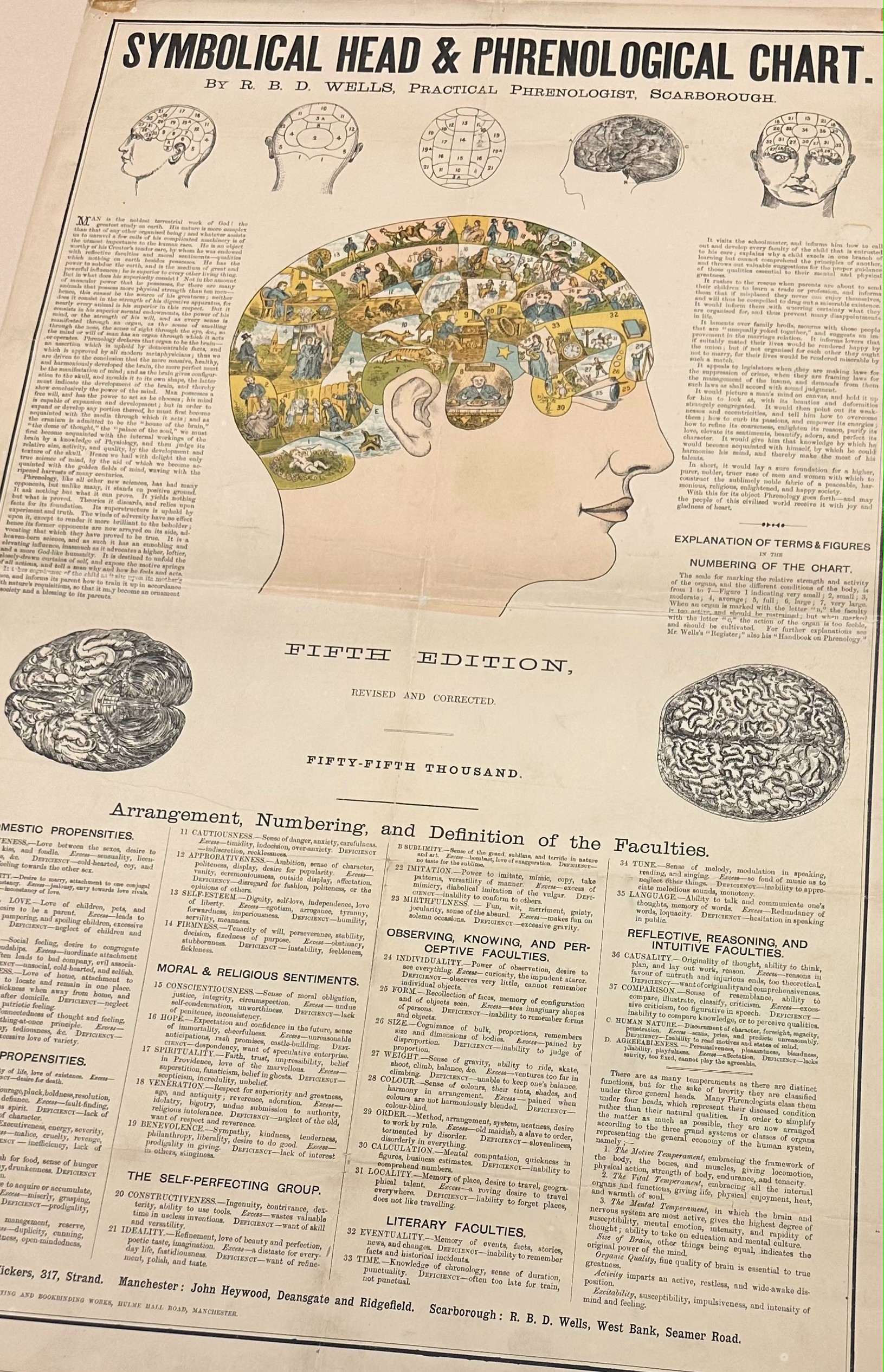
Alongside high-minded philosophy, Lyceum stages also hosted demonstrations of phrenology, mesmerism, and electrical experiments—blurring the line between education and entertainment.
Figures like Orson and Lorenzo Fowler delivered engaging phrenology lectures, promising moral and personal insight through the “science” of skull reading. These popular pseudo-sciences reflected Americans’ hunger for self-knowledge and moral order.

Critical Question:
Was the Lyceum a democratic classroom or a performance stage? Did it elevate the public or merely entertain them?
Print and Politics: From Pamphlet to Partisan Press
Political Mobilization Through Print
- Broadsides and party newspapers link print to mobilization
- Jacksonian era's "partisan press" turns voting into spectacle
- Editorials and cartoons appeal to working-class readers
- Political participation becomes a form of popular entertainment
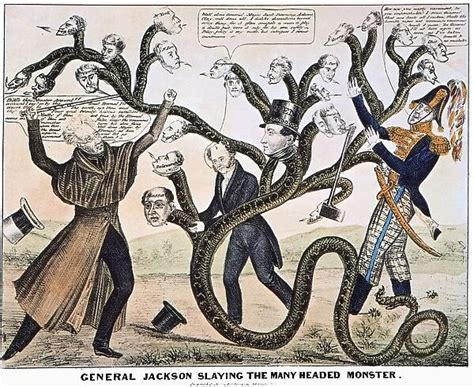
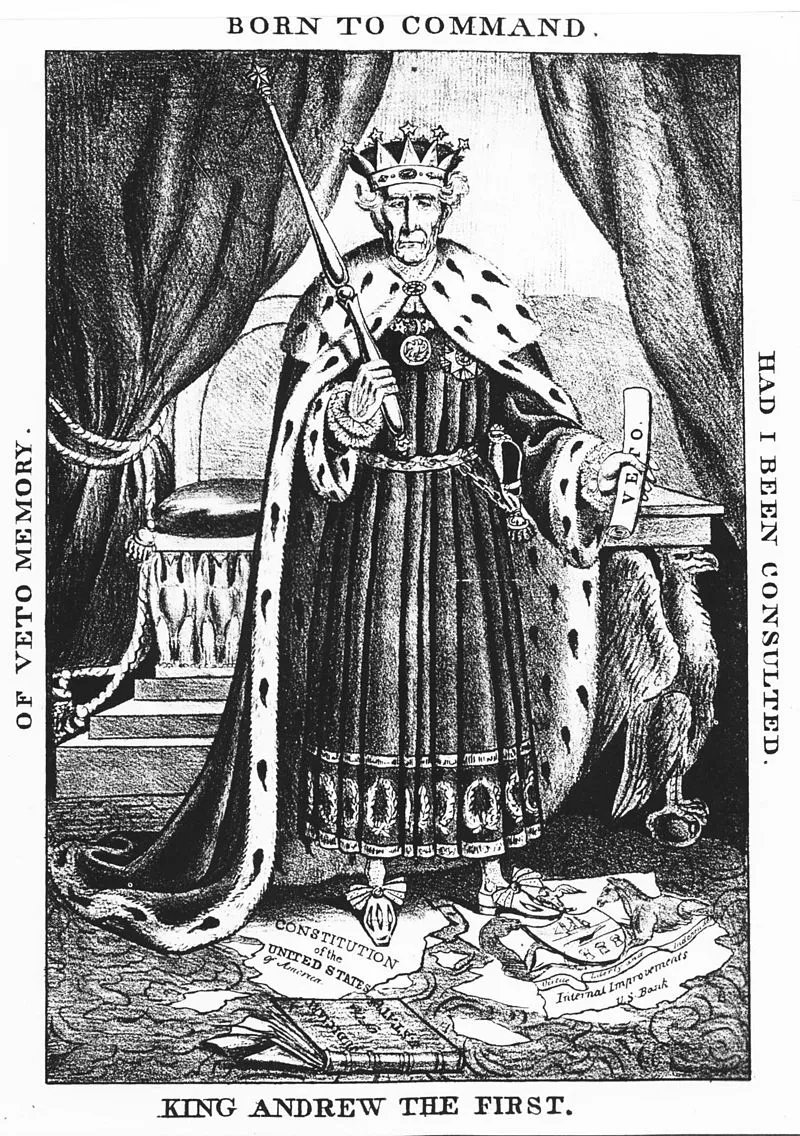
KEY CONCEPT: Print makes politics accessible and exciting—but also partisan and emotional