The Old South
1790-1850
Slavery's Central Role in Shaping Global Capitalism
A Historical Analysis
The Peculiar Institution in Transition, 1780s-1800
A Moment of Economic Uncertainty
- Decline in tobacco and rice markets; soil depletion from intensive cultivation
- Shift toward less-labor intensive crops and livestock
- Question emerged: Was slavery economically viable anymore?
Largest Wave of Voluntary Manumissions in American History
- Religious Awakening and Moral Opposition
- Revolutionary ideals
- Economic calculation
- Variable across regions; limited and fragile movement
The Turning Point: Rebellion and Reaction
- Two events shattered tentative emancipation movement
- The Haitian Revolution (1791-1804) and Gabriel's Rebellion (1800)
The Haitian Revolution: Hemispheric Upheaval
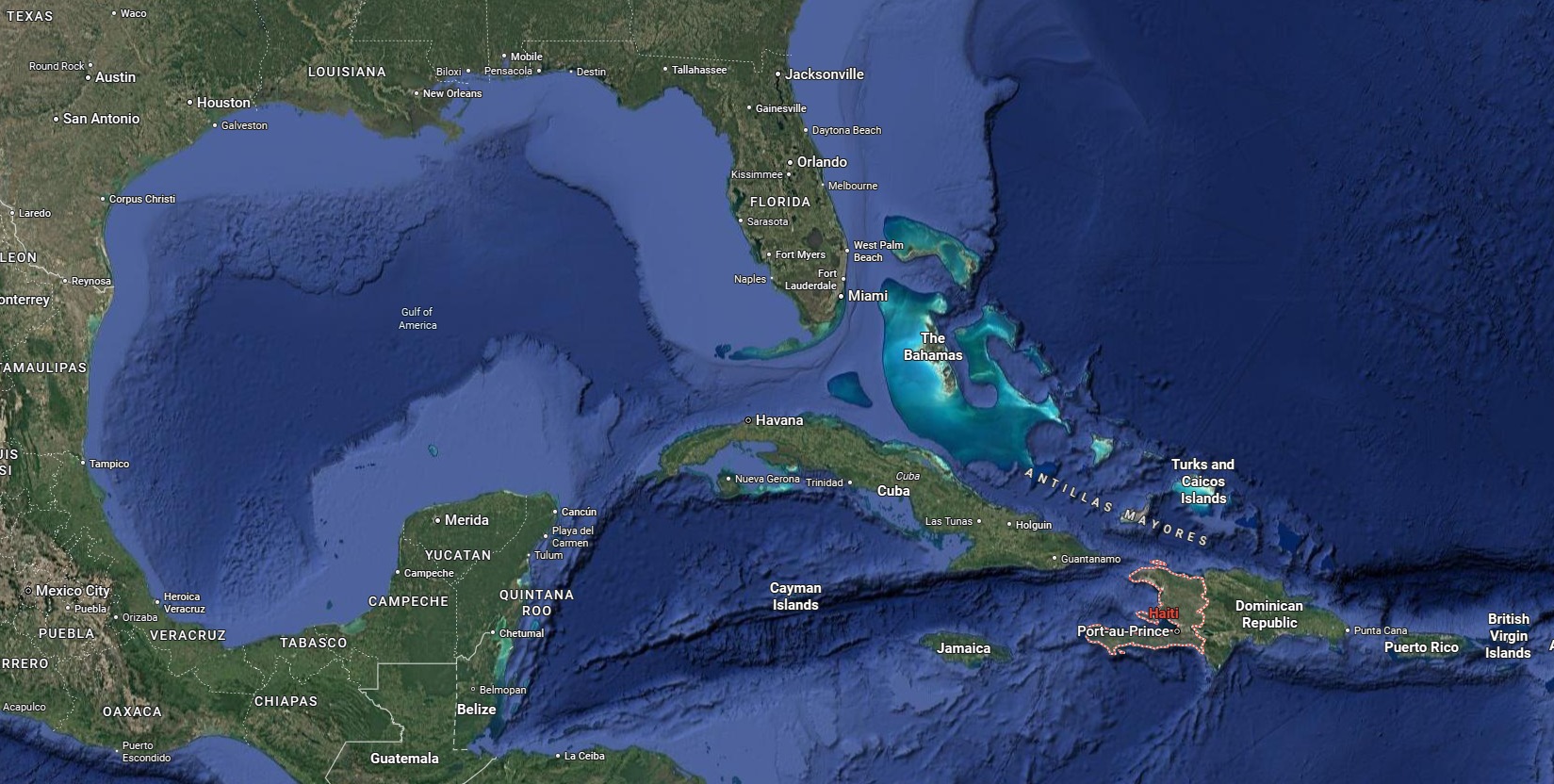
The Only Successful Slave Revolution (1791-1804)
- Saint-Domingue was the world's richest colony
- Produced 40% of world's sugar, 60% of world's coffee
- 500,000 enslaved people (90% of population) under brutal conditions
Revolutionary Success
- 1791: Massive slave uprising begins across the colony
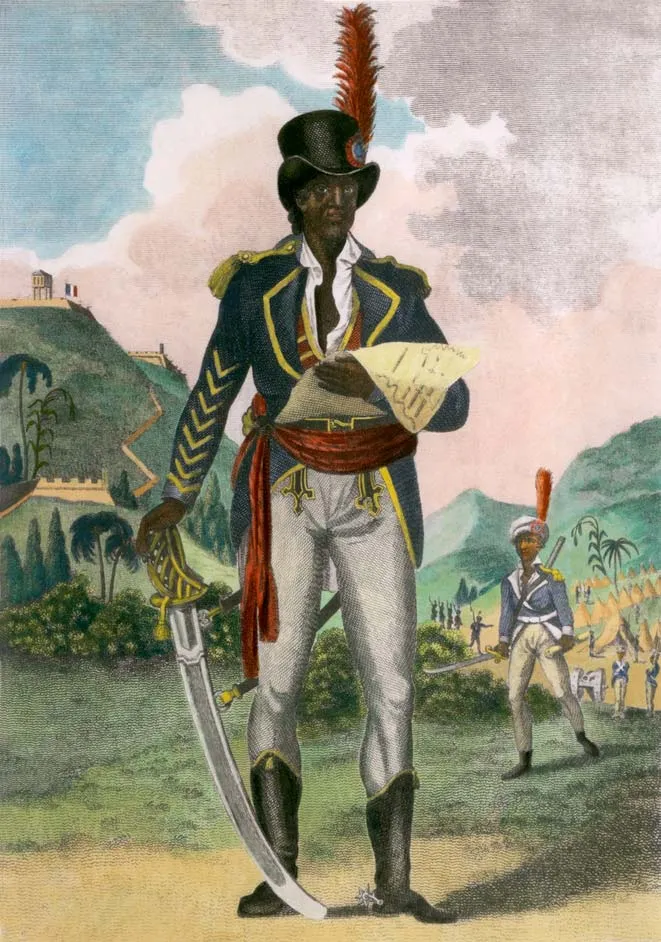
- 1793-1802: Toussaint Louverture leads revolutionary forces
- Defeated French, Spanish, and British armies
- January 1, 1804: Haiti declares independence—first Black republic
The Haitian Revolution: Impact on the United States
- White refugees fled to U.S. (Louisiana, Charleston) with horrifying stories
- Jefferson refused recognition, imposed trade embargo
- Haiti became obsession: 'Could it happen here?'
- Used to justify increasingly harsh slave codes
- Inspired enslaved people throughout Americas
Gabriel's Rebellion (1800): Revolutionary Politics Come to Virginia
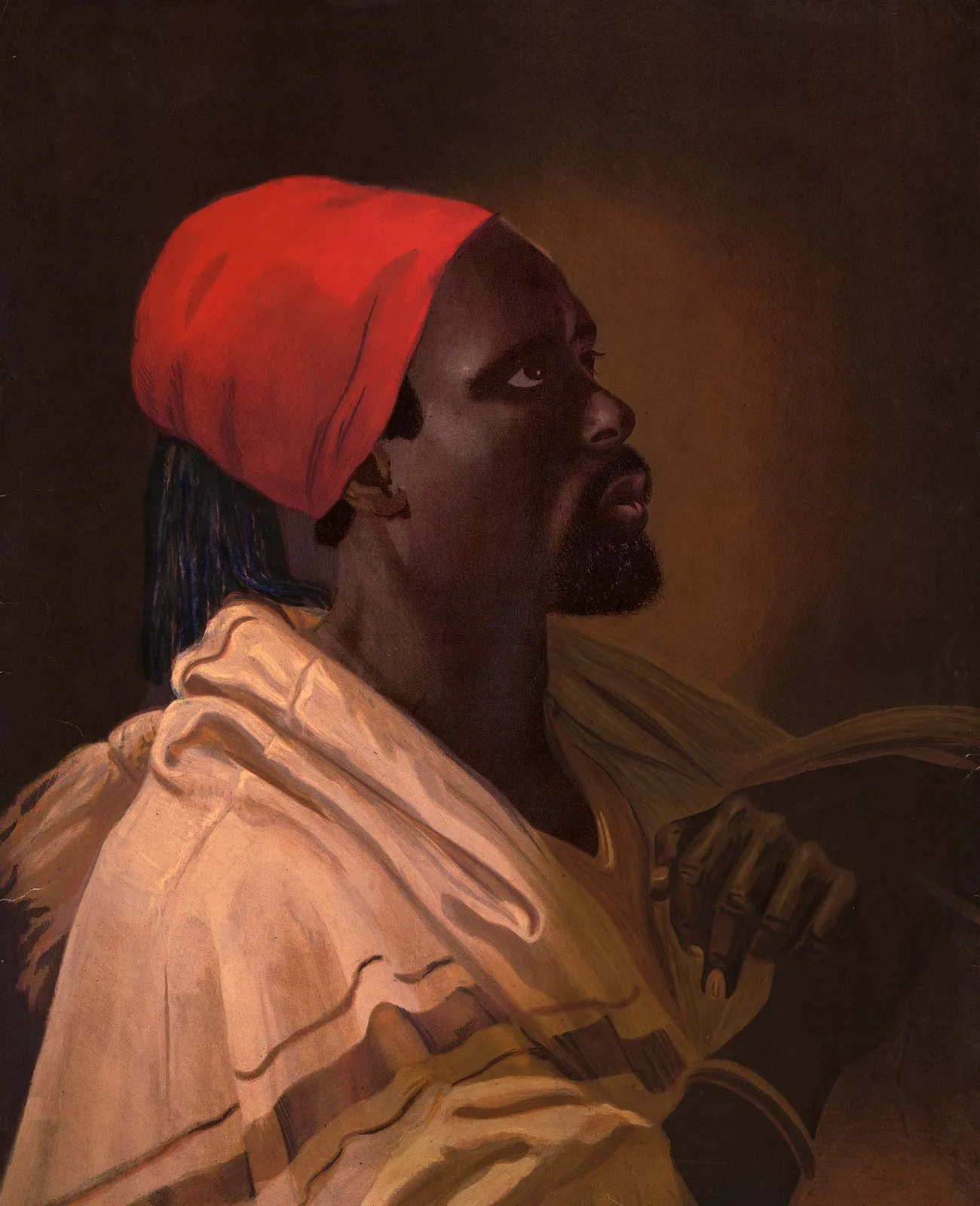
Gabriel Prosser:
- Enslaved blacksmith in Richmond, Virginia
- Literate, politically informed, inspired by American and Haitian Revolutions
The Revolutionary Conspiracy
- Goal: Seize Richmond, take Governor Monroe hostage, negotiate freedom
- Hundreds involved—recruited through artisan networks
- Military organization: weapons stockpiled, targets identified
Betrayal and Suppression
- Betrayed before execution; Gabriel and 26 others hanged
Gabriel's Rebellion: The Turning Point
Why This Mattered
- Enslaved people were organized and politically sophisticated
- Proved enslaved people absorbed Revolutionary ideology and claimed it for themselves
- Willing to use violence to achieve freedom
The Backlash
- Combined with Haiti, ended tentative emancipation moment
- Virginia tightened restrictions on free Blacks, banned manumission
- White South hardened pro-slavery position
By 1800 slavery was in decline; a few thousand people were freed!
But then, enslaved people revealed they would not wait for gradual emancipation. They wanted freedom NOW! And were willing to fight for it!
White reaction — make slavery harsher!
Right at this moment, a technological innovation and industrial transformation would make slavery more profitable than anyone could imagine —
That innovation was ________________?
The transformation was ________________?
Creating what historians call the "Second Slavery"
The Cotton Gin Revolution (1793)
The Innovation
- Eli Whitney, Yale graduate, travels to Georgia as tutor
- Invents Cotton Gin after hearing complaints about "cotton-cleaning problem"
- 1 enslaved person could now clean 50 pounds a day; a 50-fold increase
- Made short-staple cotton economically viable across Deep South
- One of the most consequential inventions in world history
Results
- Cotton cultivation exploded across Deep South
- Cotton Belt or Black Belt
- Increased demand for enslaved labor, known as "Second Slavery"
- Transformed cotton from marginal crop to foundation of American economy

The "Second Slavery"
Key Characteristics:
- More brutal and intensive than earlier forms of slavery
- Driven by industrial capitalism's demand for raw materials
- Highly profitable and technologically "modern"
- Created new patterns of forced migration and family separation
- Integrated into global financial markets
The Industrial Revolution and Cotton's Ascendancy
British Textile Industry
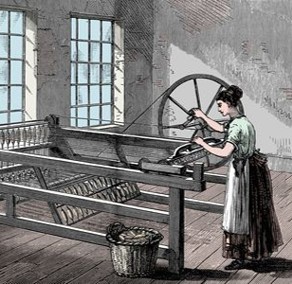
- Rise of mechanized textile production in Britain
- Cascade of innovations: Spinning Jenny (1764), power looms
- Factory system emerges
- Creates insatiable demand for raw cotton
- Birth of Industrial Capitalism and
Colonial and Global Markets
- Britain wasn't just producing for domestic consumption
- British Empire created captive markets
- Every modern innovation in transportation and communication supported slave economy
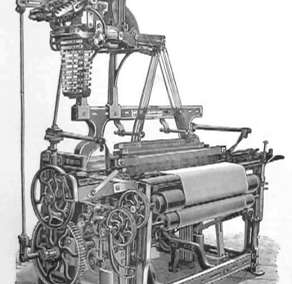
King Cotton and the 'Second Slavery'
Cotton's Economic Dominance
- By 1860: Cotton comprised 60% of total U.S. exports
- The Deep South (Black Belt) became global cotton supplier
- Plantation system expanded aggressively into new territories
The Domestic Slave Trade
The Second Middle Passage
- 1808: Constitution's 20-year protection of international slave trade expired
- Leads to domestic slave trade
- Second Middle Passage: Forced migration of 1 million enslaved people from Upper to Deep South (1790-1860)
- Upper South became slave-breeding states
Slave Trade Infrastructure
Routes of Forced Migration
- Overland Coffles: Forced marches—enslaved people chained together, walked hundreds of miles from Upper South to Deep South
- Coastal Ships
- Later, Railroads
Slave Markets
- New Orleans, Natchez, Charleston, and Richmond
- Operated like modern businesses with standardized contracts
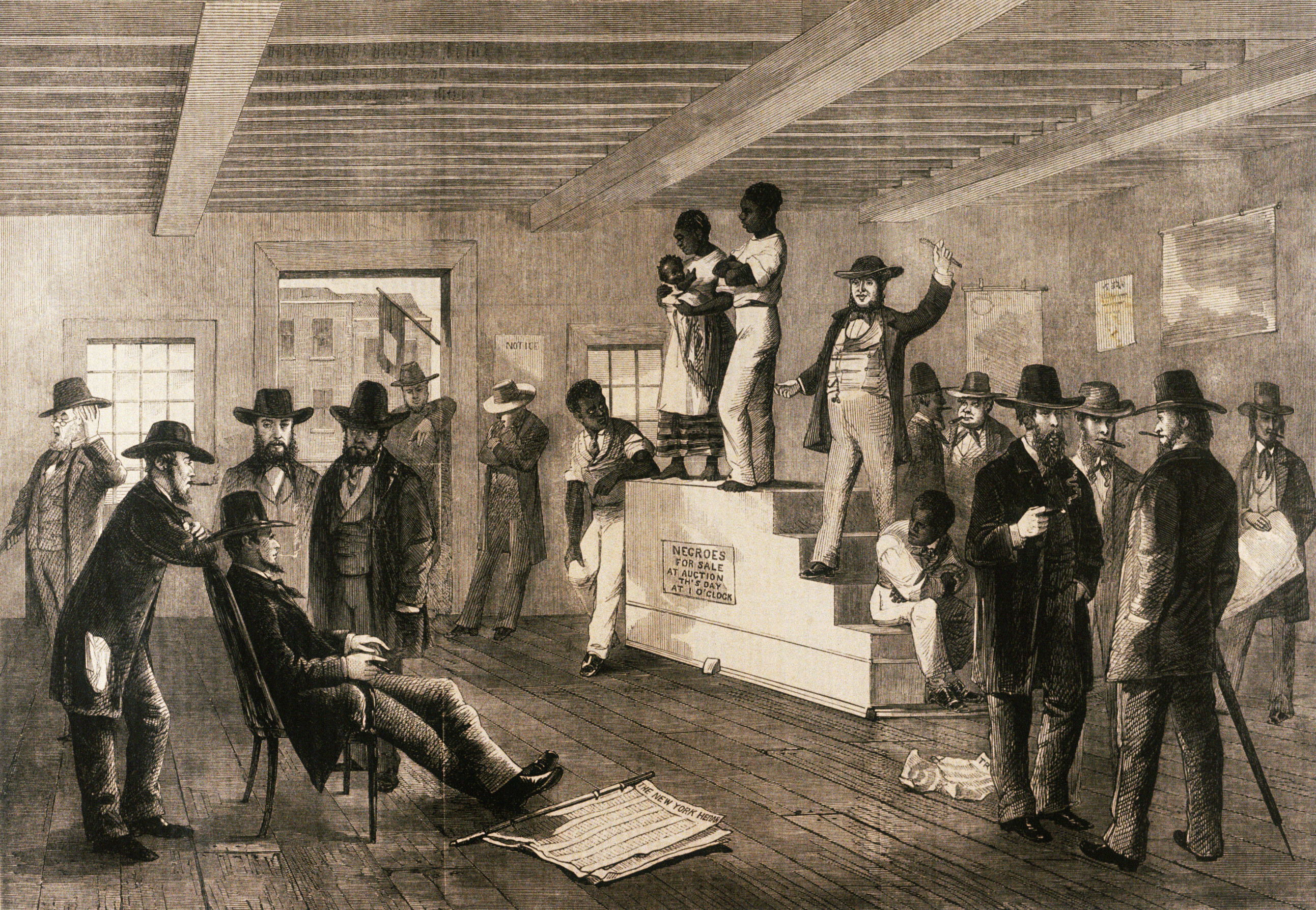
Political Ramifications
Territorial Expansion and Sectional Crisis
- Louisiana Purchase (1803) opened vast lands for cotton
- Missouri Compromise (1820) first major sectional crisis
- Texas Annexation (1845) reignited tensions
- Slavery became non-negotiable for Southern political economy
How was the North involved in all this?
We've established that cotton transformed slavery into an expansionist, aggressive, economically dominant system within the American South. The domestic slave trade created massive forced migration and catastrophic family separations.
Were Northern textile workers complicit in slavery?
The Northern Industrial Complex: Free Labor, Slave Cotton
Industrialization of the American Northeast
- Emergence of textile mills in New England (Lowell, Massachusetts)
- The Lowell System: wage labor (primarily young women) processing slave-grown cotton
- Infrastructure boom to support cotton economy: canals, railroads, ports, telegraph
- Every modern innovation in transportation and communication supported the slave economy
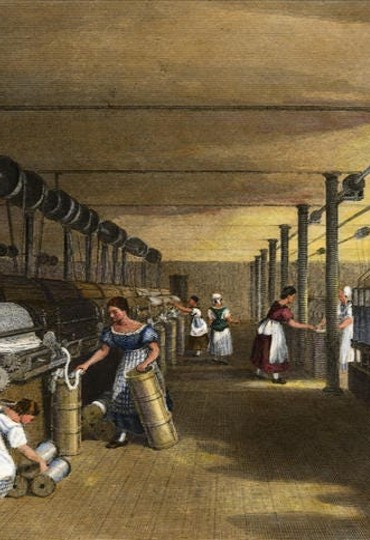
Northern "Free Labor" Built on Southern Slavery
The Myth
- North = freedom, progress, moral superiority
- South = slavery, backwardness
The Reality
- Northern mills, banks, and ships profited from slave-grown cotton
- "Free labor" capitalism depended on enslaved labor
- Both regions formed one capitalist system
Northern industrialization was predicated on Southern slavery—it could not have existed without it.
The North got rich from slavery—its freedom and prosperity rested on human bondage.
The Atlantic Cotton Web
A Global Supply Chain Built on Bondage
Raw Material Supplier
Processing and Manufacturing
The Industrial Powerhouse
Africa, Asia, Latin America
World-Systems Analysis: Core, Periphery, and Cotton
Wallerstein's World-Systems Theory (1970s)
- Divides global economy into Core, Periphery, and Semi-Periphery
- Core regions (Britain, Northern U.S.) dominate through capital and technology
- Periphery regions (U.S. South) provide raw materials and cheap labor
- Emphasizes structural inequality and cyclical exploitation
Applying World-Systems Theory to Cotton
- The U.S. South functioned as periphery: coerced labor, resource extraction
- Britain and Northern U.S. as core: industrial production, capital accumulation
- Global interdependence masked deep power asymmetries
Financial Capitalism and Slavery
Banking and Credit Systems
- Planters received credit from Northern and British banks to finance operations
- Cotton factors advanced loans against future harvests
- Enslaved people used as collateral for loans and mortgages
Insurance and Risk Management
- Marine insurance protected cotton shipments
- Life insurance policies on enslaved individuals treated humans as financial assets
Investment and Speculation
- Cotton futures traded on commodity markets
- Major financial institutions (Barings Bank, Brown Brothers, Lehman Brothers) invested heavily
The Infrastructure of Exploitation
Rivers and Riverboat Commerce
- Mississippi River system as primary transportation artery
- Steamboats transported both cotton bales and enslaved people
- River cities became nodes of capitalist exchange
New Orleans: Entrepôt of the Cotton Kingdom
- Major hub connecting U.S. cotton production to global markets
- Home to international merchants, brokers, and bankers
- Site of largest slave markets in North America
Slave Trading as Capitalist Enterprise
- Auction houses and 'slave pens' operated as rationalized businesses
- Systematic commodification: inspection, pricing, marketing of human beings
- Profits reinvested in plantations, infrastructure, and financial markets
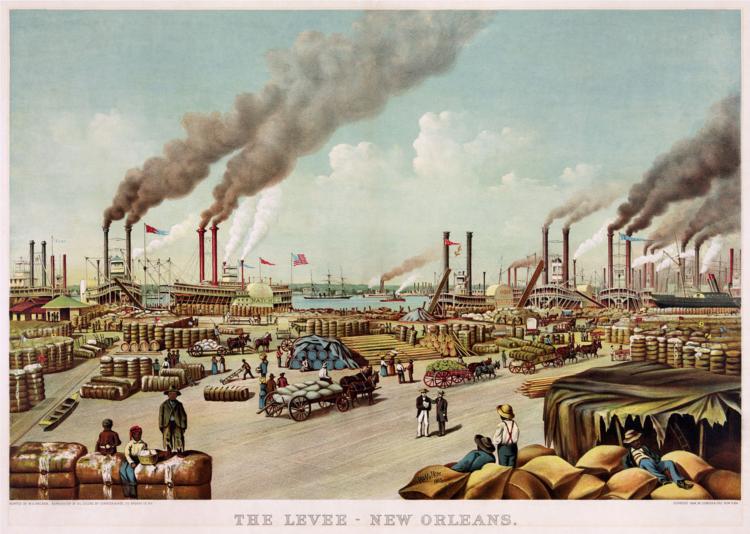
Cotton and Capitalism: The Intertwined Legacy
Slavery as Economic Engine
- Generated immense wealth for planters, merchants, bankers, and industrialists
- Provided capital accumulation that funded industrial expansion
Catalyzing the Industrial Revolution
- Cotton textiles drove technological innovation and factory systems
- Created template for modern industrial capitalism: mass production, global supply chains, financialization
The Persistent Core-Periphery Dynamic
Structural Inequalities Endure
- Pattern established: raw materials from periphery fuel industry in core
- Post-emancipation sharecropping and global South exploitation follow similar logic
- Structural inequalities embedded in modern global economy
Two Interpretations of Global Capitalism
Marxist / Leftist Interpretation:
- Global capitalism = system of exploitation
- Core (Global North) extracts value from Periphery (Global South)
- Historical roots in slavery, colonialism, imperialism
- Wealth of the North built on underdevelopment of the South
- Modern globalization continues core–periphery inequality
- Emphasis: structures of domination and historical injustice
Non-Marxist / Liberal-Institutional Interpretation
- Global capitalism = engine of growth, not inherently exploitative
- Differences explained by institutions, innovation, and governance
- Trade and investment can be mutually beneficial (comparative advantage)
- Underdevelopment linked to domestic policy, corruption, education gaps
- Former 'peripheries' (e.g., South Korea, Taiwan) show mobility and agency
- Emphasis: development through reform, not systemic oppression