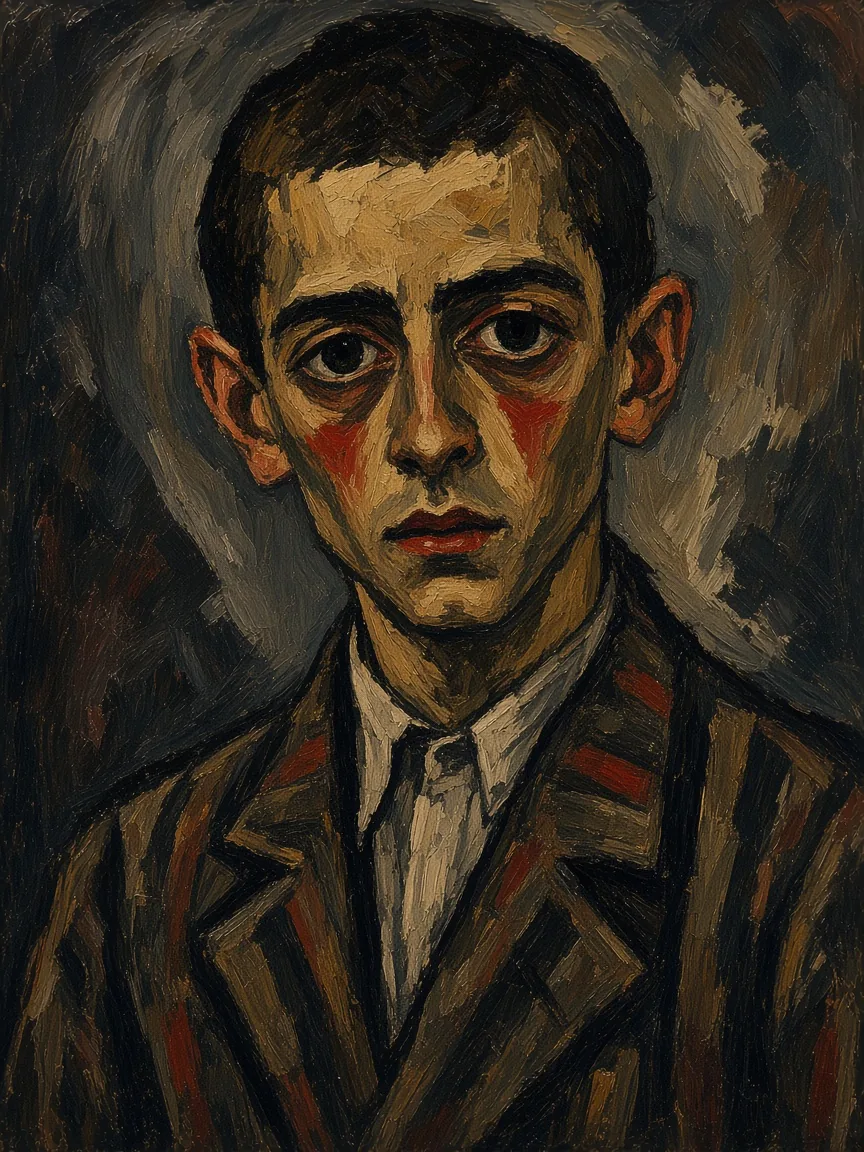
Buna, Auschwitz III-Monowitz · Summer 1944
A boy from Sighet was a prisoner at Buna.
- Eliezer Wiesel was fifteen, from Sighet, Romania.
- Buna was the labor camp of Auschwitz III-Monowitz.
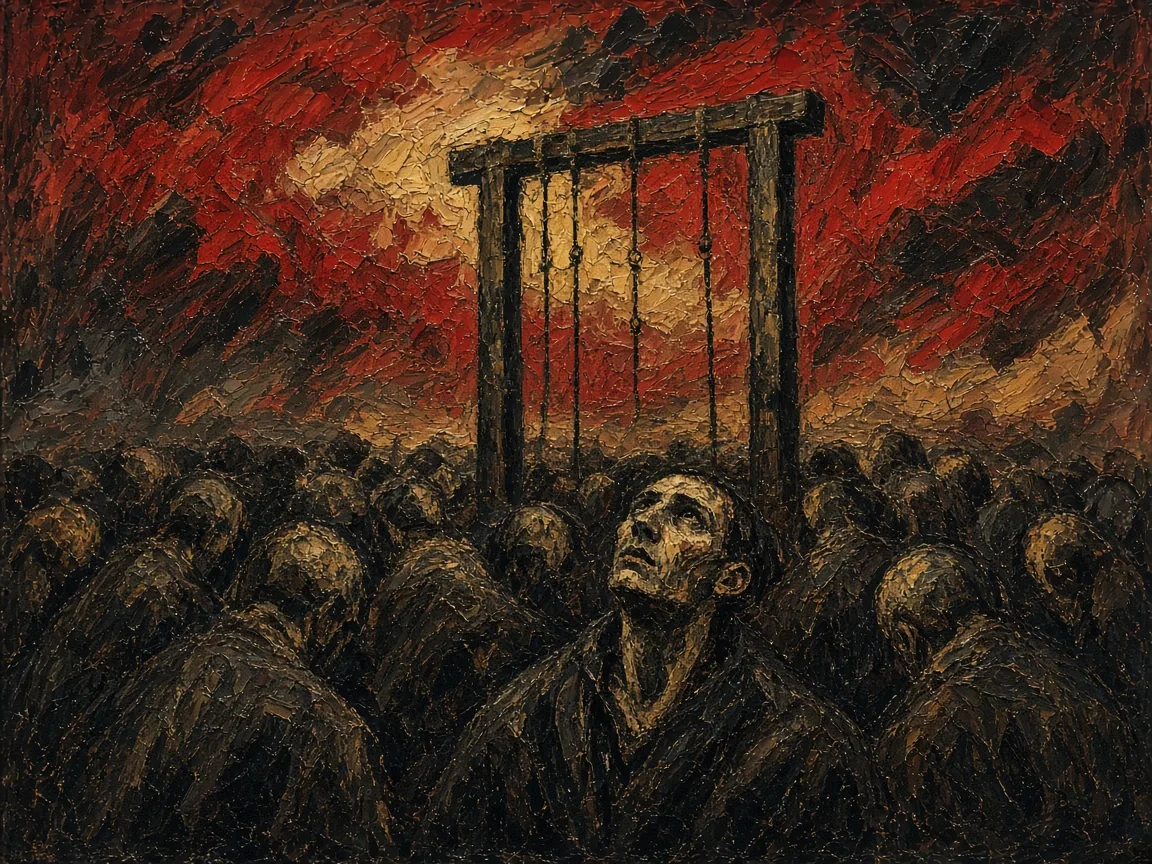
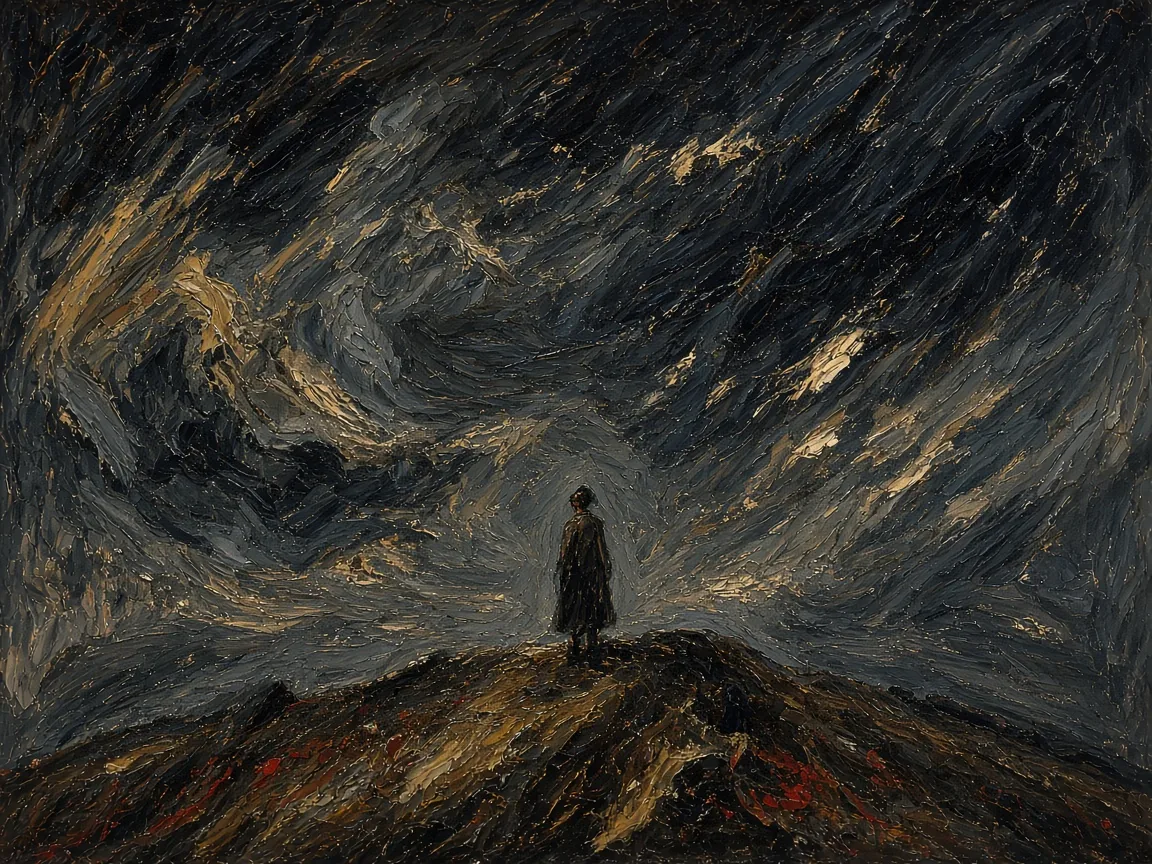
- One evening the SS assembled the prisoners on the parade ground. Three gallows stood there.
Buna · 1944
The prisoners were made to watch a boy hang.
- Two men and a boy were hanged for sabotage.
- The two men died quickly. The boy hung between life and death for more than half an hour.
- Behind Wiesel, a man asked where God was.
- A voice inside Wiesel answered: God is here, hanging on this gallows.
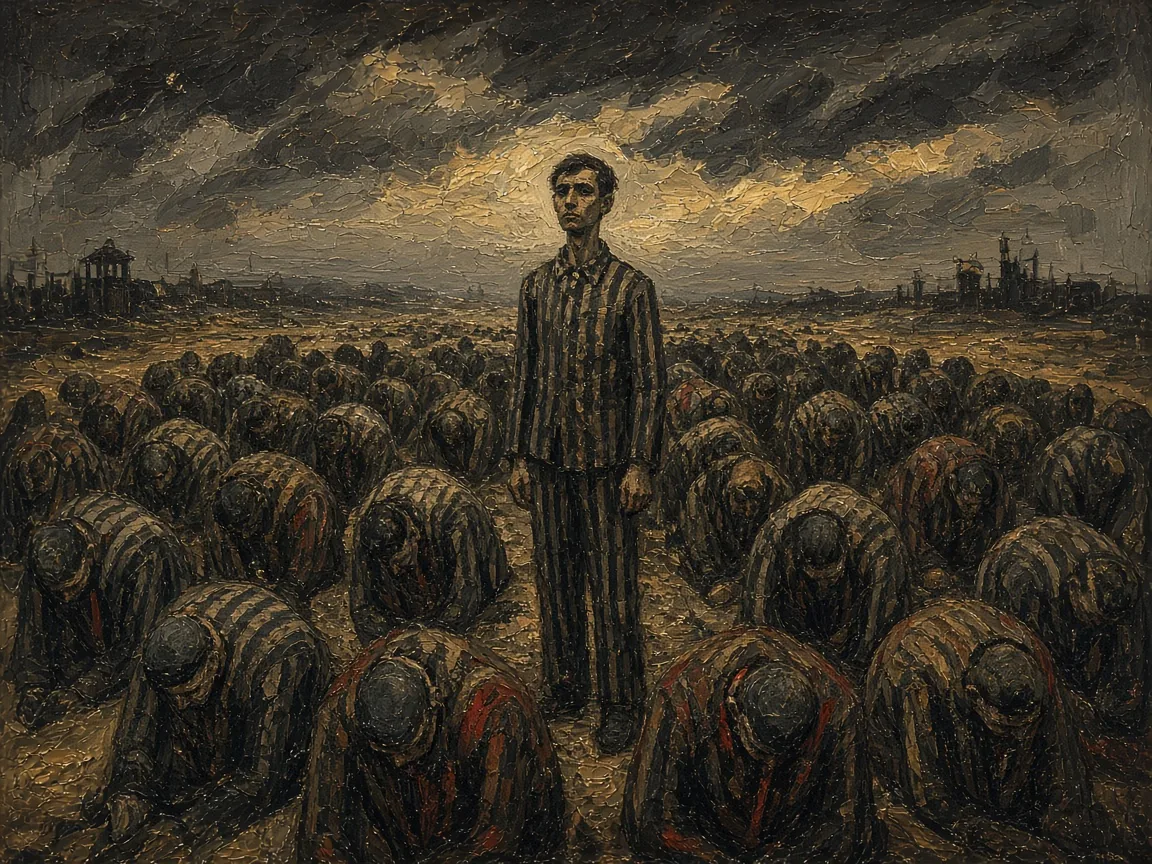
Buna · Rosh Hashanah 1944
On Rosh Hashanah he refused to bless God’s name.
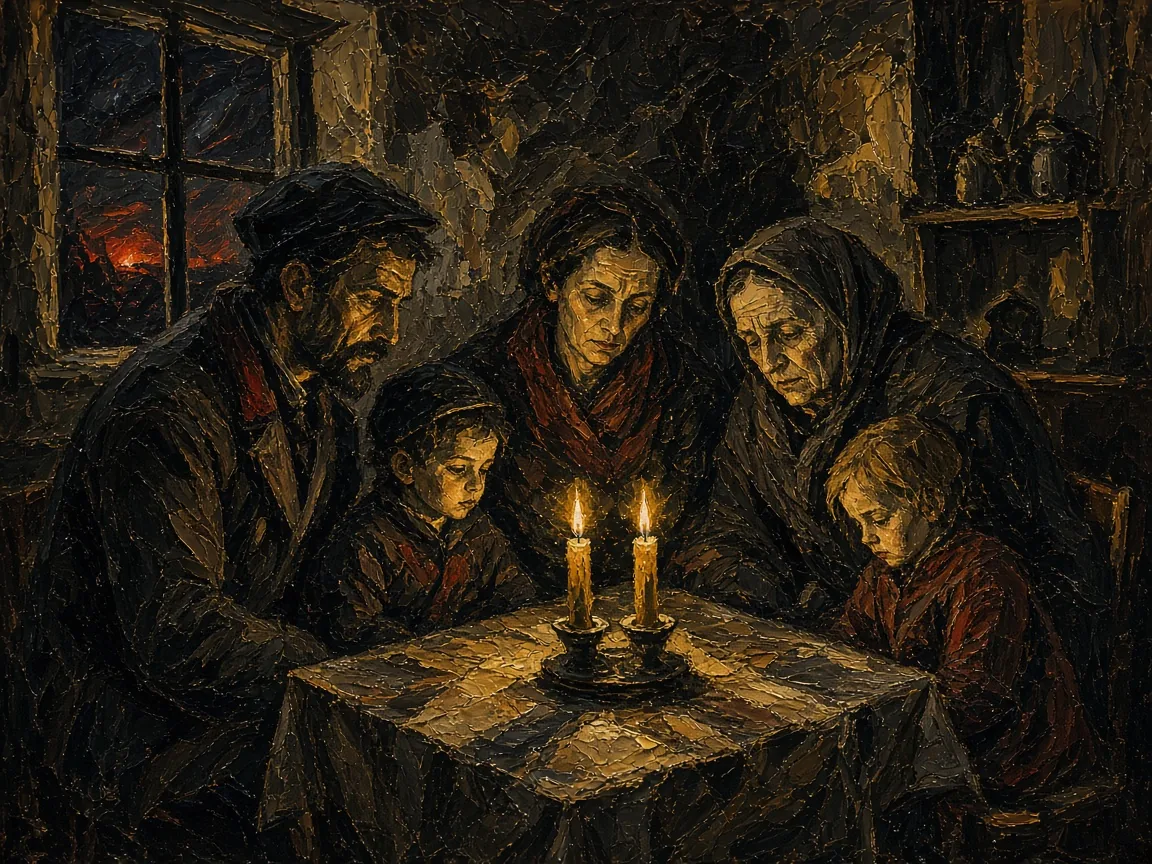
- That evening, he writes, the soup tasted of corpses.
- Ten thousand prisoners prayed.
- He did not stop believing that God existed.
- He stopped believing that God was just, and he was furious.
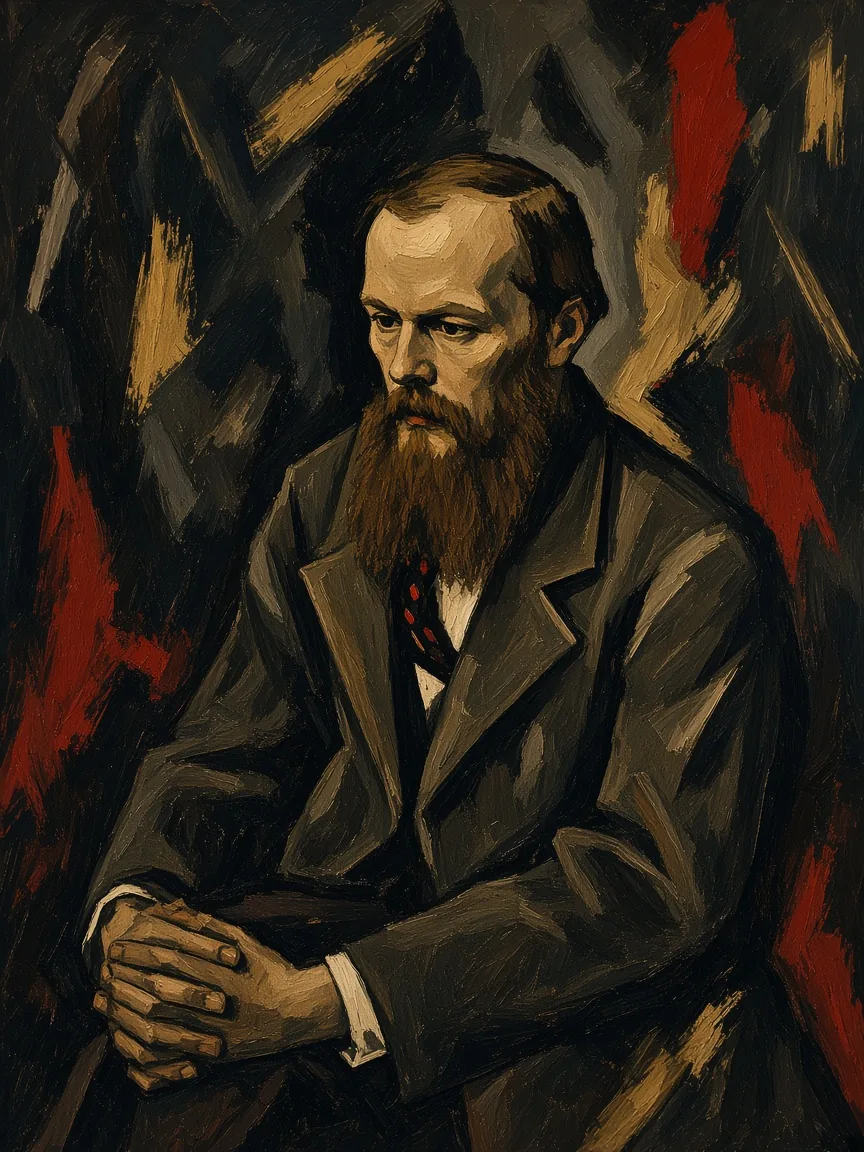
The Brothers Karamazov · 1880
Ivan Karamazov returned his ticket.
“It isn’t God I don’t accept, Alyosha; I am only most respectfully returning Him the ticket.”
Ivan rejects any justification of evil and suffering that points ahead to an afterlife harmony or heavenly reward. No harmony is worth the tears of one tortured child. Read the whole scene
A word for the question
Theodicy: justifying God in the face of evil.
- Theodicy ← Greek theos, “god,” + dikē, “justice.”
- The attempt to justify God’s goodness in the face of evil.
- Three claims: God is all-powerful. God is all-good. Evil is real.
- Any two claims sit together. All three make the problem.
- The dilemma is attributed to Epicurus.
God is all-good
God is all-powerful
Evil is real
Jewish Responses · After Auschwitz
A Covenant in Crisis
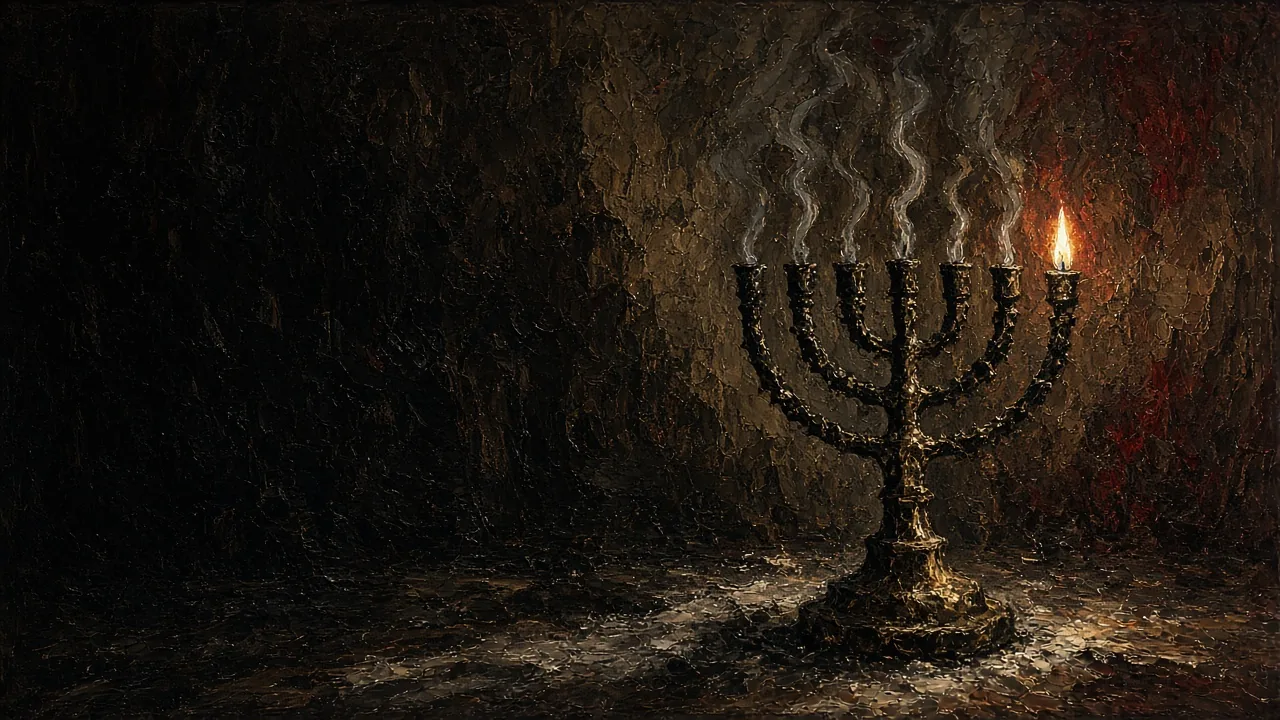
The Holocaust challenged three foundational ideas in Judaism.
- Divine Providence. If God acts in history, why did God not intervene?
- The Covenant. What did God’s promises to Israel mean after Auschwitz?
- The Meaning of Suffering. Could the murder of six million Jews possibly be explained as divine punishment?
Jewish thinkers would arrive at radically different answers.
France · 1945–1958
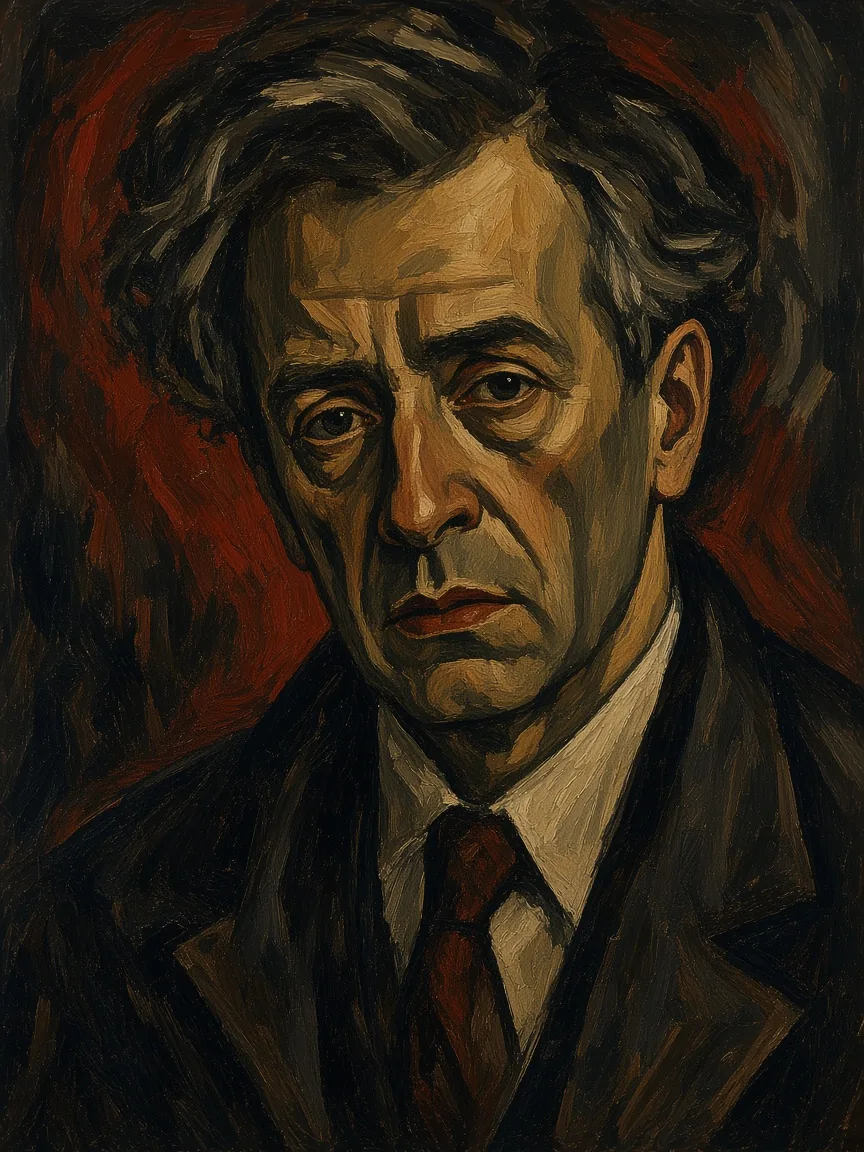
Wiesel survived and wrote Night.
- After the war he went to France, became a journalist, and kept silent about the camps for about ten years.
- Night appeared as a long Yiddish memoir in 1956, then as the much shorter French La Nuit in 1958.
- Night is his memoir of deportation from Sighet through Auschwitz and Buchenwald, and of his father’s death.
- He never offered a theodicy. He offered protest, an old Jewish form of faith.
The Trial of God · 1979
Wiesel put God on trial.
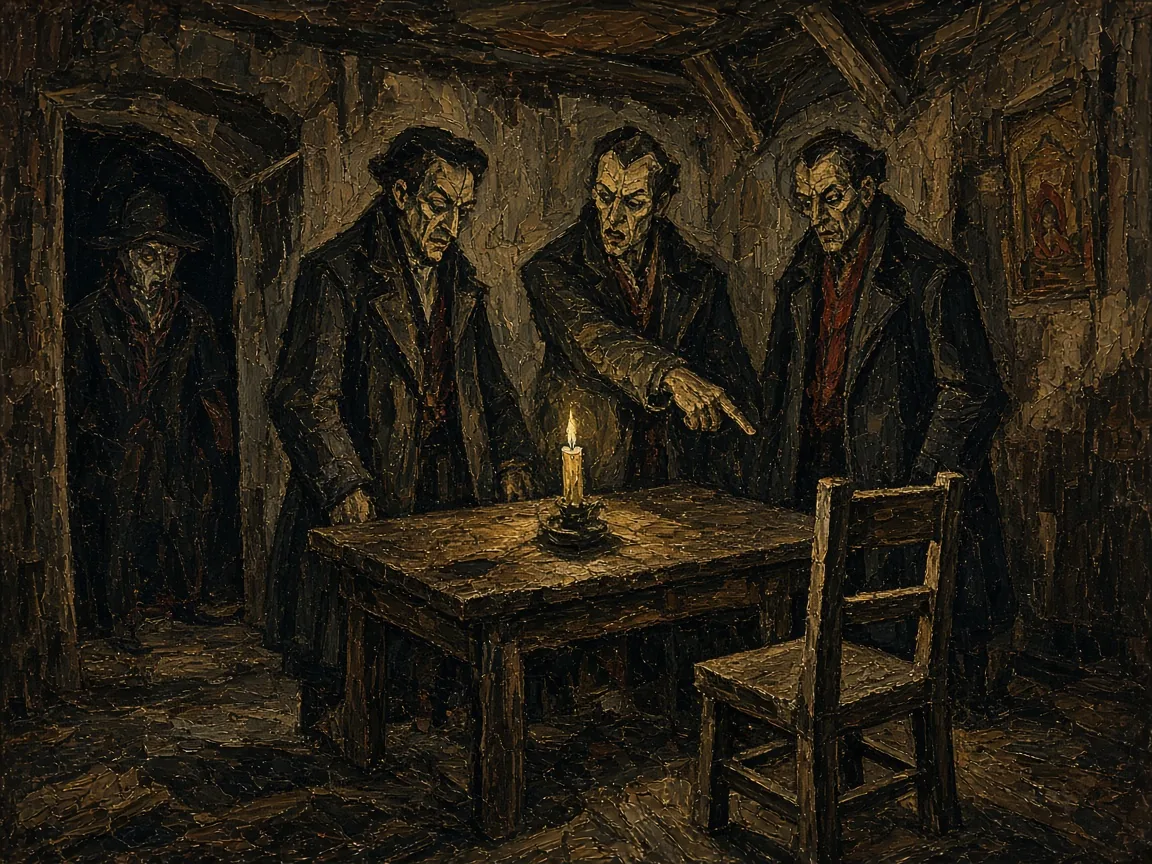
- The play is set in a Ukrainian village in 1649, after a massacre of Jews.
- Three wandering minstrels arrive on Purim and stage a trial with God as the defendant.
- No one will take God’s defense except a mysterious stranger.
- A story from the camp?
West Berlin · August 1961
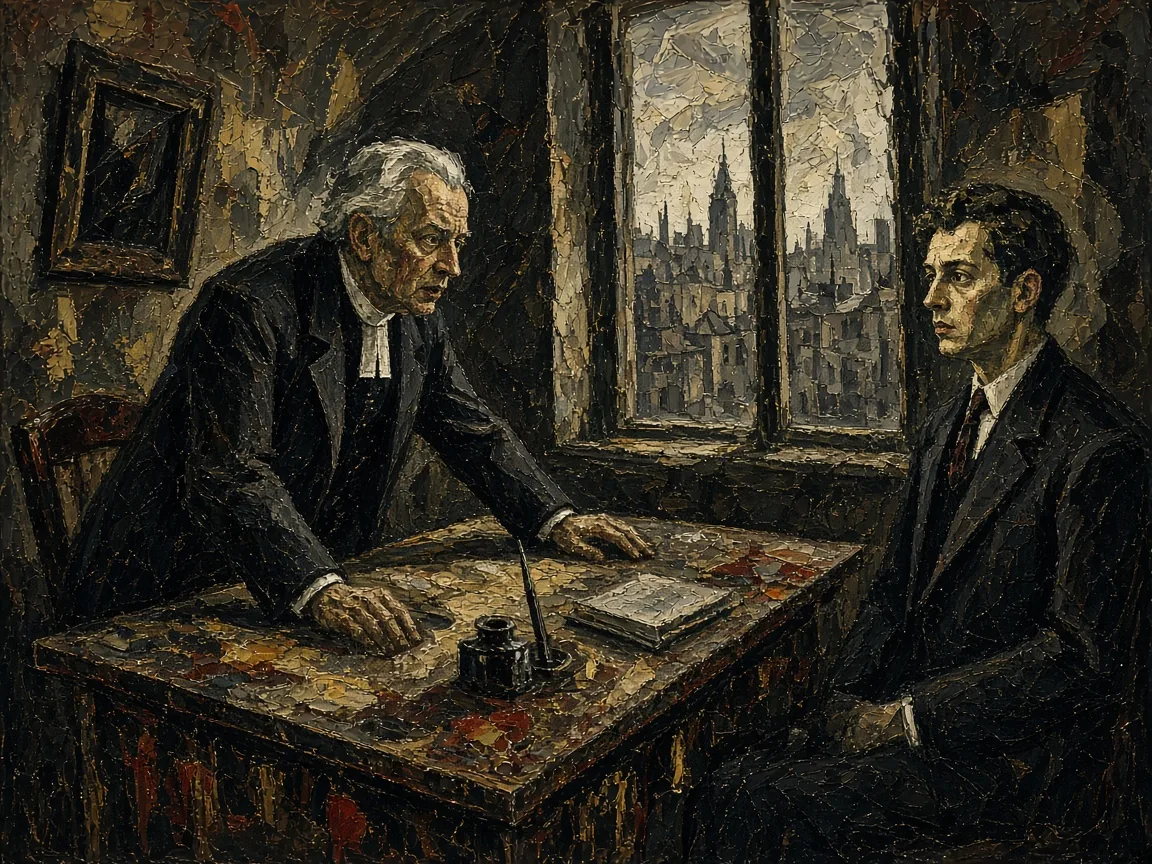
A Protestant dean told a young rabbi that the Holocaust was God’s plan.
- Heinrich Grüber was no Nazi. He had helped Jews escape and been sent to Sachsenhausen and Dachau for it.
- He had testified at the Eichmann trial.
- He told Richard Rubenstein that God had used Hitler as he had once used Nebuchadnezzar.
After Auschwitz · 1966
Rubenstein concluded that the God of history had died.
- Either God had willed Auschwitz, or the God who rewards and punishes in history was false.
- We live, he wrote, in a cold, silent universe, indifferent to human purposes.
- He kept Judaism’s rituals and community, as a way to share life in such a world.
Emil Fackenheim · 1967
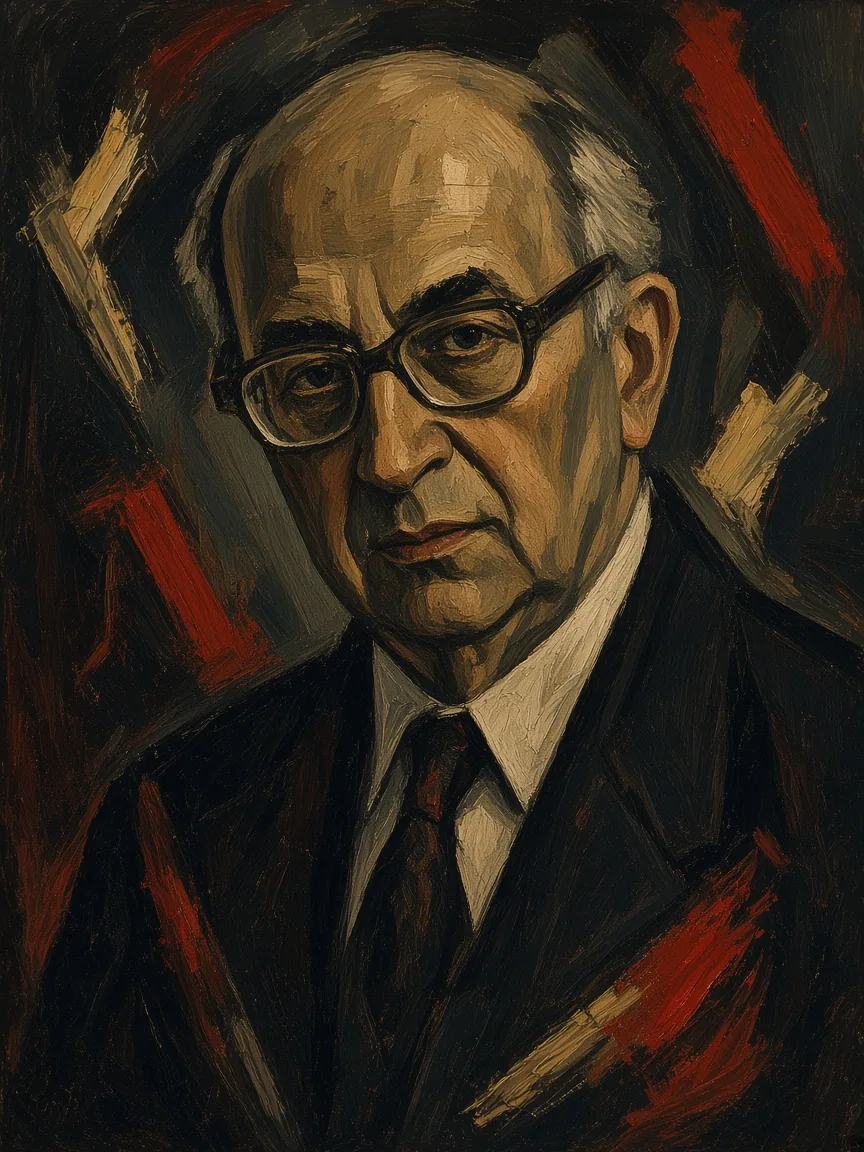
Fackenheim heard a 614th commandment.
“Jews are forbidden to hand Hitler posthumous victories.”
Emil Fackenheim (1916–2003), heard, he said, as a “commanding Voice” from Auschwitz
Survive as Jews. Remember the victims. Do not despair of humanity, or of the God of Israel.
Root experiences and an epoch-making event
Fackenheim refused to explain Auschwitz.
- Jewish faith rested on root experiences, like the Exodus and Sinai.
- Auschwitz was an epoch-making event no earlier framework could absorb.
- Secular Jews still married Jews and raised Jewish children after 1945.
- To give up would be to finish Hitler’s work.
Jewish Responses · Concepts
Rethinking God After Auschwitz
The Hidden God
God permits human freedom, even when people commit terrible evil.
The Limited God
Perhaps God voluntarily surrendered some divine power and cannot prevent every evil.
The Renewed Covenant
The covenant continues, but Jewish commitment must be freely reaffirmed after Auschwitz.
KEY CONCEPT: ANTITHEODICY
The refusal to justify suffering.
The Holocaust must not be explained as deserved punishment or as a necessary part of God’s greater plan.
Jewish Responses · Community
Judaism After Auschwitz
Survival, Remembrance, and Renewal
- Rebuilding Jewish Life. Survivors rebuilt communities, synagogues, religious schools, and centers of learning—especially in Israel and the United States.
- Remembrance as Sacred Responsibility. Holocaust memory became central to Jewish identity, education, and observances such as Yom HaShoah.
- A Renewed Commitment to Jewish Continuity. Religious observance, cultural identity, and the survival of future generations acquired new significance after the attempted extermination of European Jewry.
Jewish survival became not merely a historical fact, but for many, a religious obligation.
Part 1 · Summing up
After Auschwitz, Jewish theology changed.
- Faith Challenged. God’s silence, power, and covenant questioned.
- Jewish Life Renewed. Survival, remembrance, and religious continuity.
- Easy Answers Rejected. Innocent suffering cannot be justified.
“No statement, theological or otherwise, should be made that would not be credible in the presence of the burning children.”
Irving Greenberg, Jewish theologian
The Holocaust produced no single Jewish answer, but transformed the questions Judaism was compelled to confront.
Confessions · On Free Choice of the Will
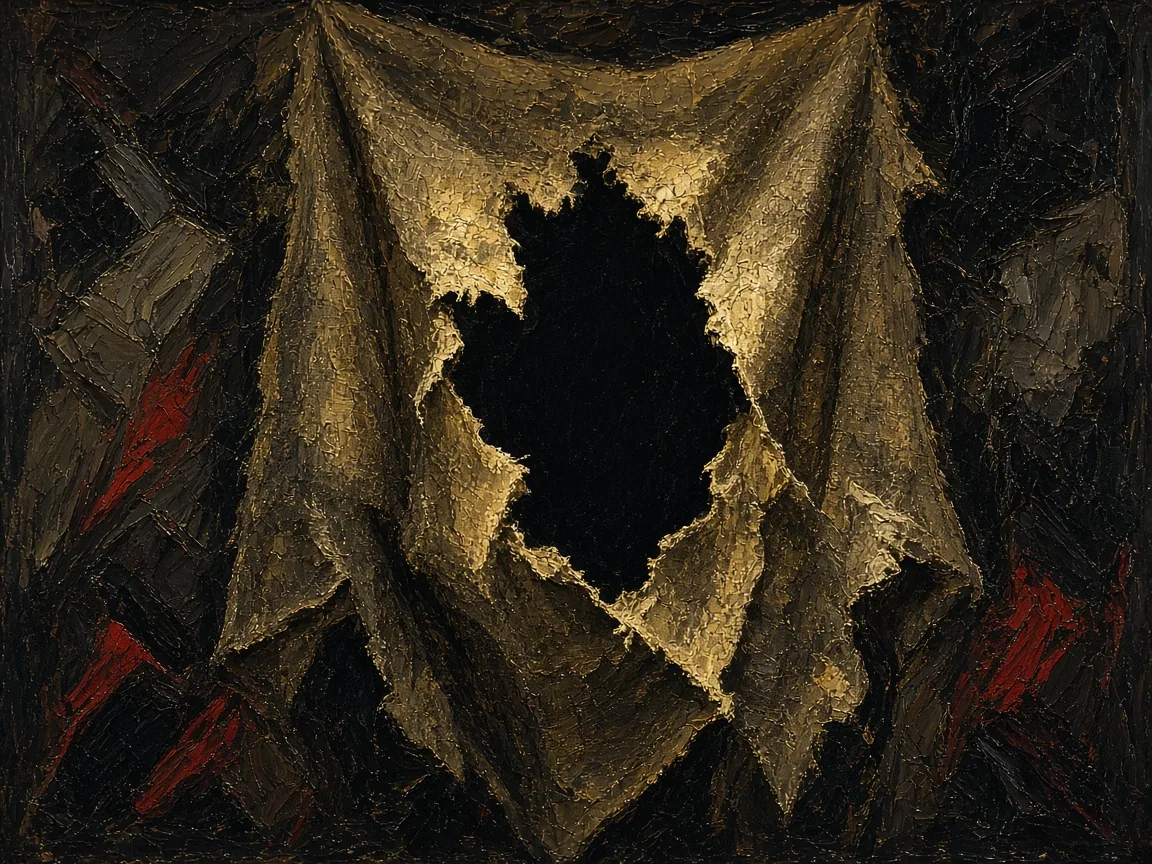
Augustine decided that evil was a hole, not a thing.
- Everything God made is good.
- Evil is a privation: a lack, like a hole in cloth.
- It comes from free wills that turn from God toward lesser goods.
- On this view the gallows at Buna is not God’s work. It is human work.
Irenaeus, c. 180 · John Hick, 1966
Hick called the world a “vale of soul-making.”
A theodicy. This is how they justify permitting evil: God allows hardship so free creatures can grow in courage, compassion, and moral strength, toward the likeness of God.
- Irenaeus said human beings were created immature, to grow toward the likeness of God.
- Hick borrowed the phrase from the poet John Keats: souls are made, not born.
- Critics answered that a child on a gallows is not being made into anything.
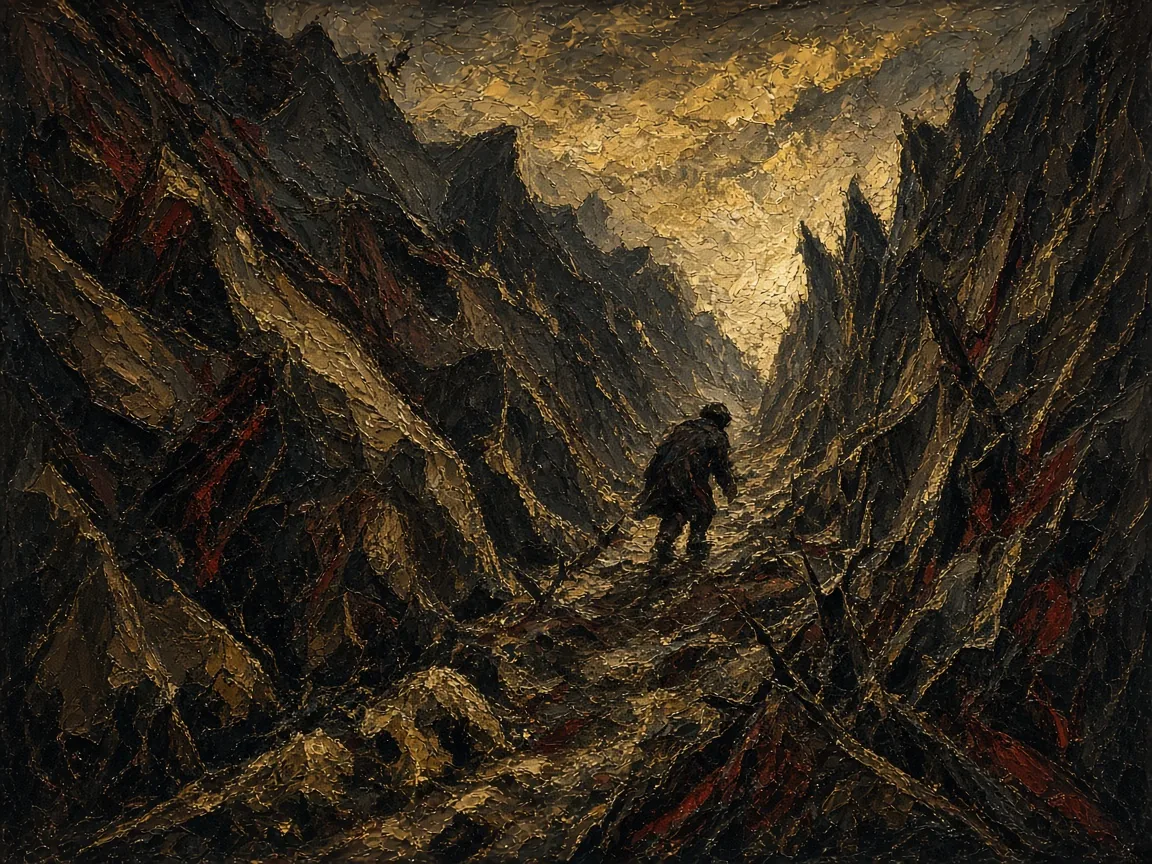
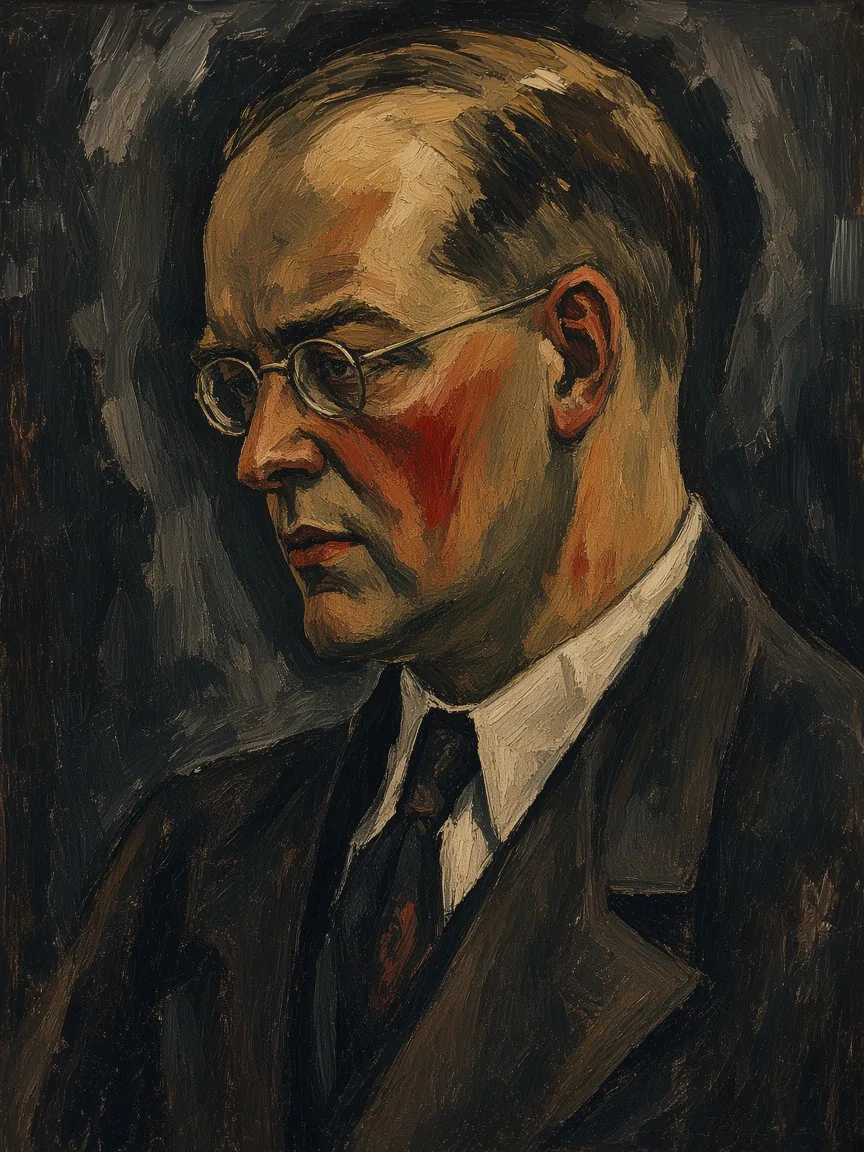
Berlin · 1933
Dietrich Bonhoeffer
- Dietrich Bonhoeffer (1906–1945) was a Lutheran pastor and theologian.
- He spoke against the Nazi takeover of the churches.
- He helped lead the Confessing Church and opposed laws that pushed Christians of Jewish descent out of the ministry.
The resistance · 1940–1945
Bonhoeffer joined the plot against Hitler.
Through his brother-in-law Hans von Dohnanyi he joined the circle in German military intelligence that was plotting against Hitler. He helped smuggle a small group of Jews to Switzerland.
April 1943
Arrested
July 20, 1944
The attempt on Hitler’s life failed
April 9, 1945
Hanged at Flossenbürg
Tegel prison, Berlin · July 16, 1944
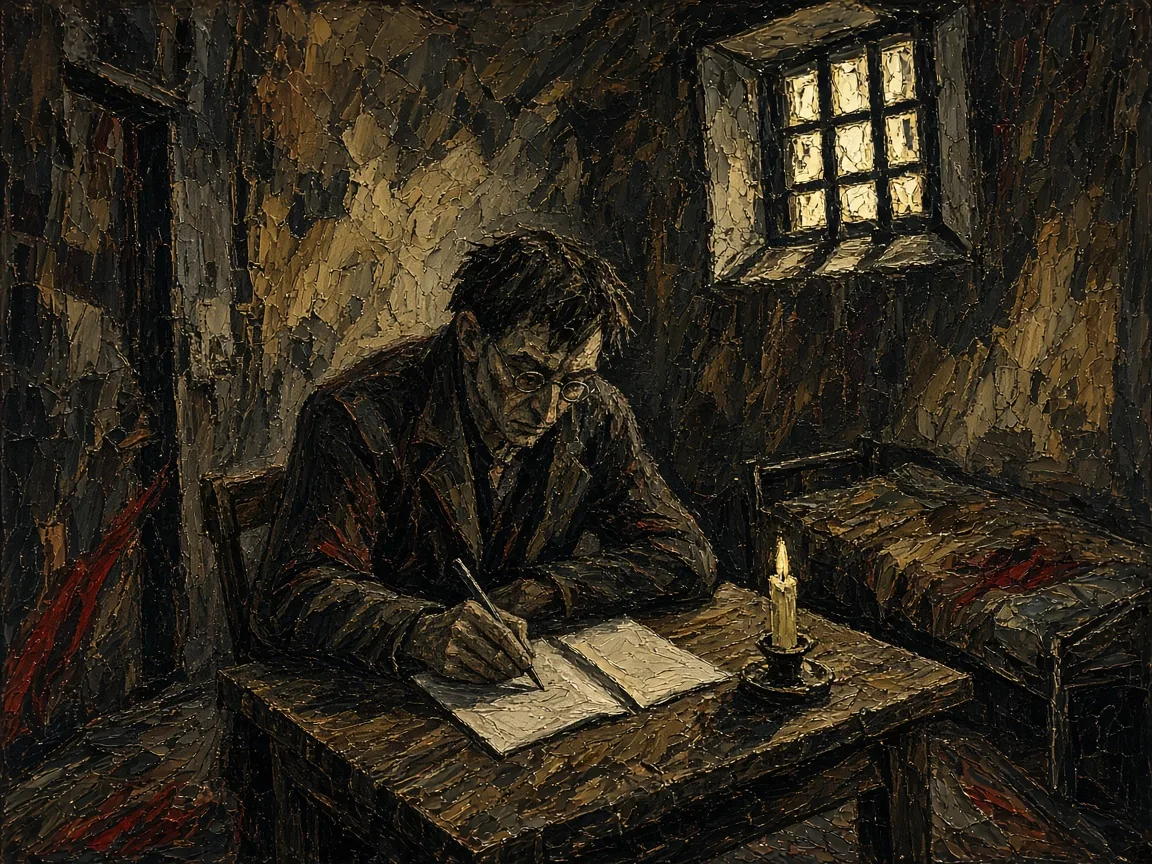
From prison he wrote of a God who suffers.
“God lets himself be pushed out of the world on to the cross. He is weak and powerless in the world, and that is precisely the way, the only way, in which he is with us and helps us.”
Dietrich Bonhoeffer to Eberhard Bethge, Letters and Papers from Prison
“The Bible directs man to God’s powerlessness and suffering; only the suffering God can help.”
Prisoner-of-war camp · 1945
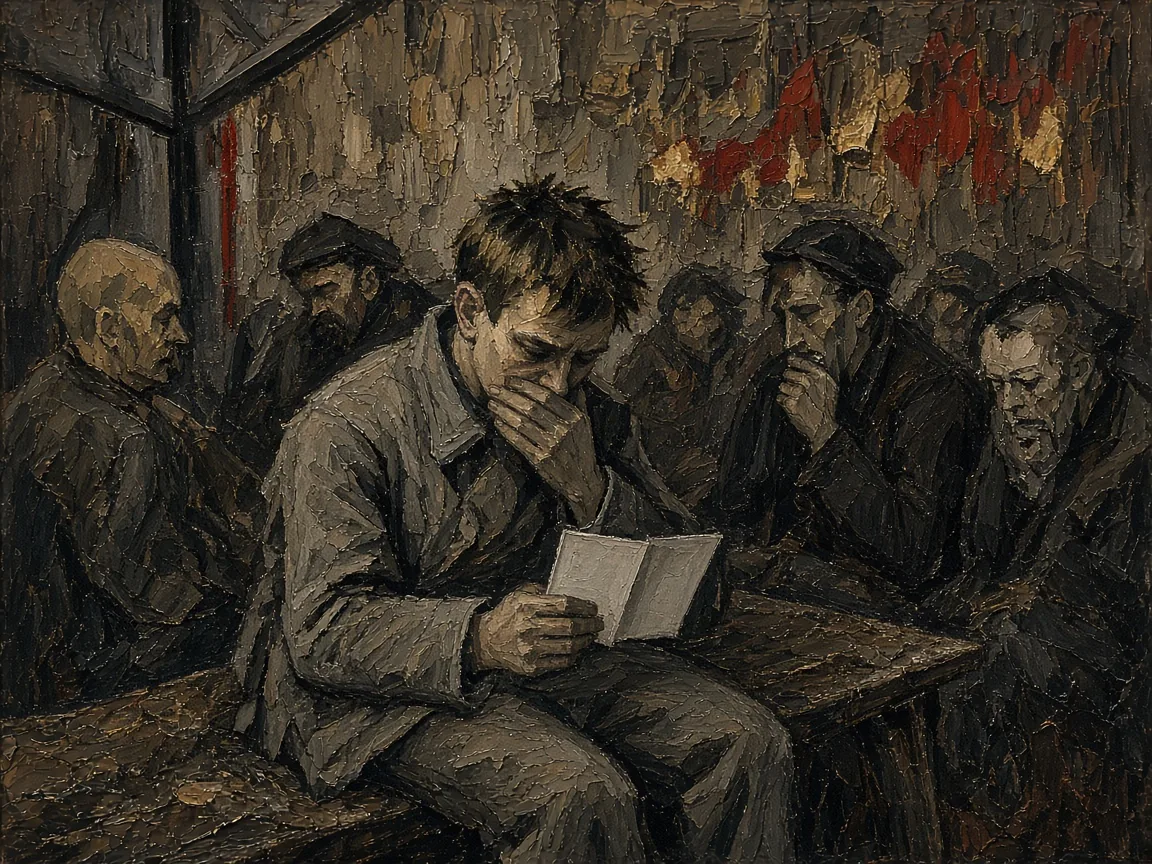
Jürgen Moltmann
- Jürgen Moltmann, born 1926, survived the firestorm in Hamburg in 1943.
- As a prisoner of war he was shown photographs of Bergen-Belsen and Buchenwald, and he felt shame.
- A chaplain gave him a Bible. In the psalms of lament he found a God who understood the abandoned.
The Crucified God · 1972
Moltmann quoted the gallows at Buna.
The cross, Moltmann argued, means God is not untouched by suffering: God suffers in and with the crucified Jesus, and so stands with every victim.
Moltmann
A picture of a God who suffers with the victims.
Many Jewish readers
A cry of accusation, perhaps the death of faith.
One scene, two readings. Both are still argued over.
Content note: this section describes the burning of a town’s Jews in a barn.
Part 3
The Choices People Made
Some Chose Evil
Others Chose Courage
The Holocaust was shaped not only by Nazi policies, but by the choices of ordinary people.
Jedwabne, northeastern Poland · July 10, 1941
Hitler’s Willing Executioners
- Jedwabne was a small market town, about half Jewish before the war. Soviet forces occupied it in 1939; the Germans arrived in June 1941.
- Some Polish residents, with Germans present and encouraging, rounded up the town’s Jews, then humiliated, beat, and killed many.
- Some of the killers knew their victims—classmates, customers, neighbors. Others in the town did not take part.
Jedwabne · July 10, 1941
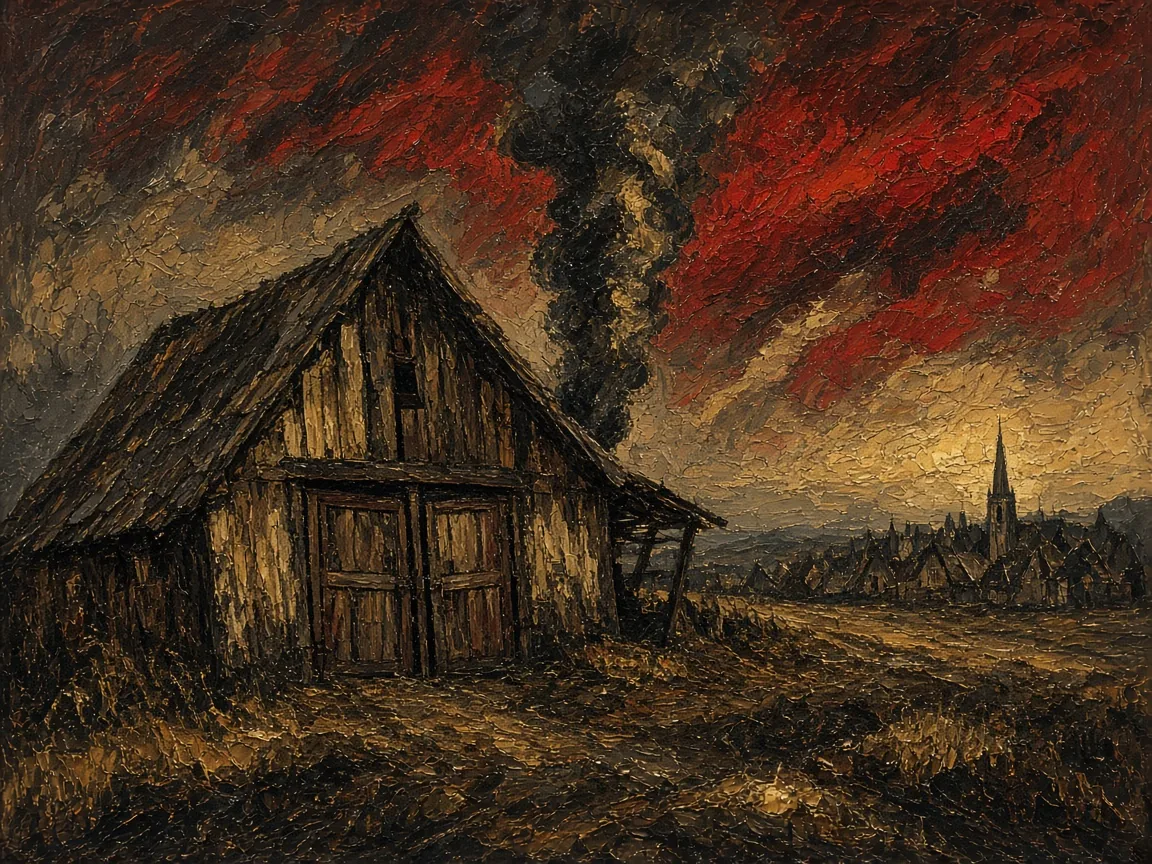
They drove the rest into a barn and set it on fire.
- Men, women, children, and old people burned inside a local Pole’s barn.
- A handful escaped. The killers were neighbors who knew many of their victims by name.
Rescue in the same district
In Janczewko, Antonina and Aleksander Wyrzykowski sheltered seven Jews from the Jedwabne area for years, at the risk of their lives.
Neighbors · Jan T. Gross, 2000
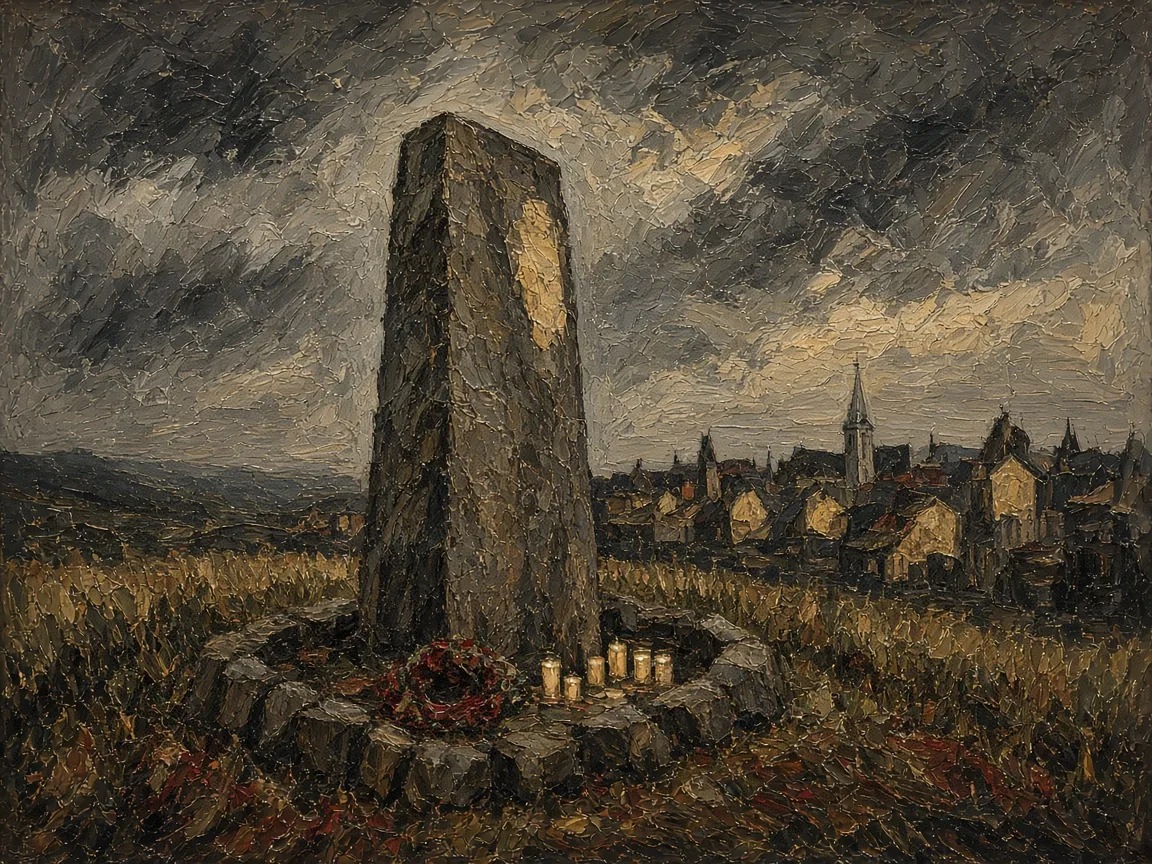
Sometimes the killers knew their victims.
- Gross’s Neighbors argued that some of Jedwabne’s own residents carried out the murder.
- The moral difficulty is personal. Perpetrators were sometimes people who knew the victims.
- How many died, and what the Germans did that day, remain disputed. Nazi responsibility does not disappear.
Plateau Vivarais-Lignon, France · 1930s–1940s
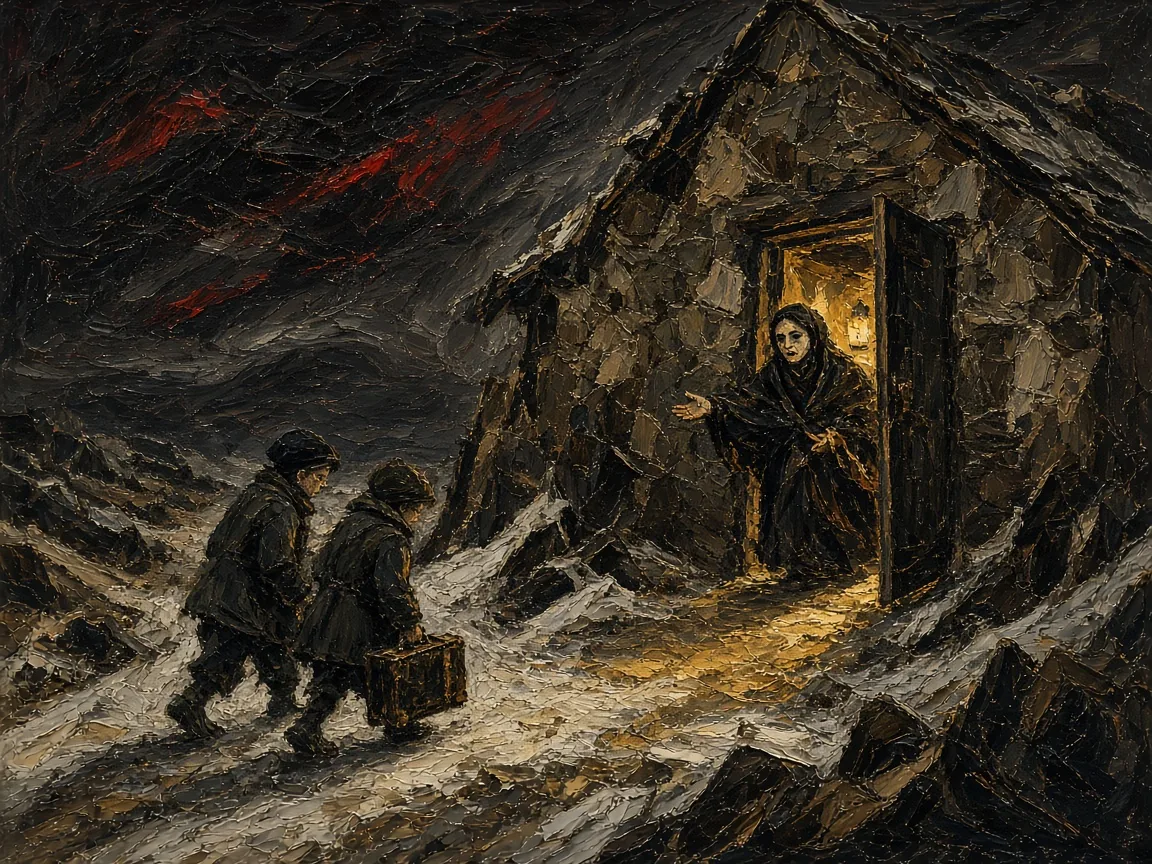
Le Chambon chose rescue, and the choice was dangerous.
- Shelter, food, false papers, and help escaping: rescue here was organized action, not only sympathy.
- André and Magda Trocmé and Édouard Theis led. Farmers and families shared the work. Not everyone bore it equally.
- Huguenot memory of persecution shaped the refusal. Under Vichy, and later the Germans, helping could cost them their lives.
Yad Vashem · Righteous Among the Nations
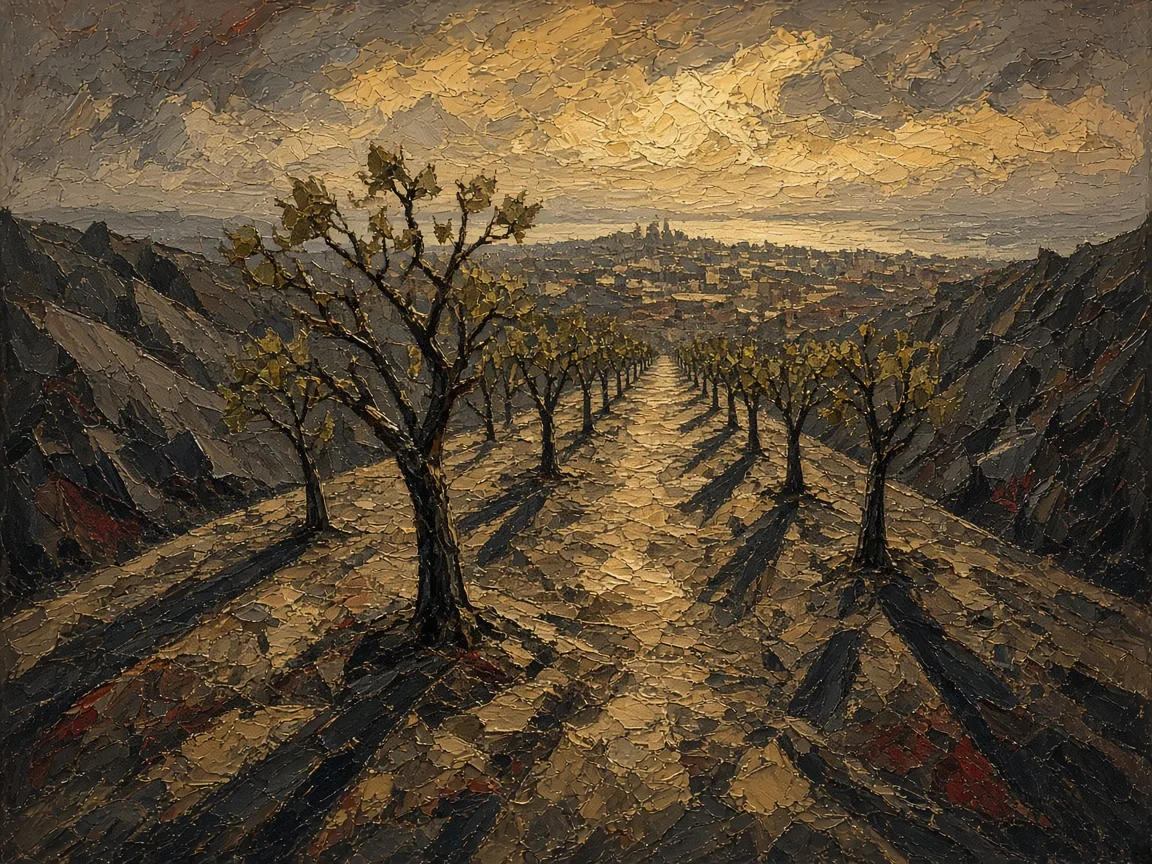
Why did some people help, when help could kill them?
- Non-Jews who risked their lives to save Jews: the Righteous Among the Nations.
- 28,707 recognized as of January 1, 2024, including 7,318 from Poland—documented cases, not a ranking of nations.
- The number is not the question. Why act, when the cost could fall on a whole family?
Jedwabne
Some ordinary people participated in the murder of their neighbors.
Le Chambon
Other ordinary people risked their lives to rescue people facing persecution.
The capacity for good and evil exists in human beings. Our choices matter.
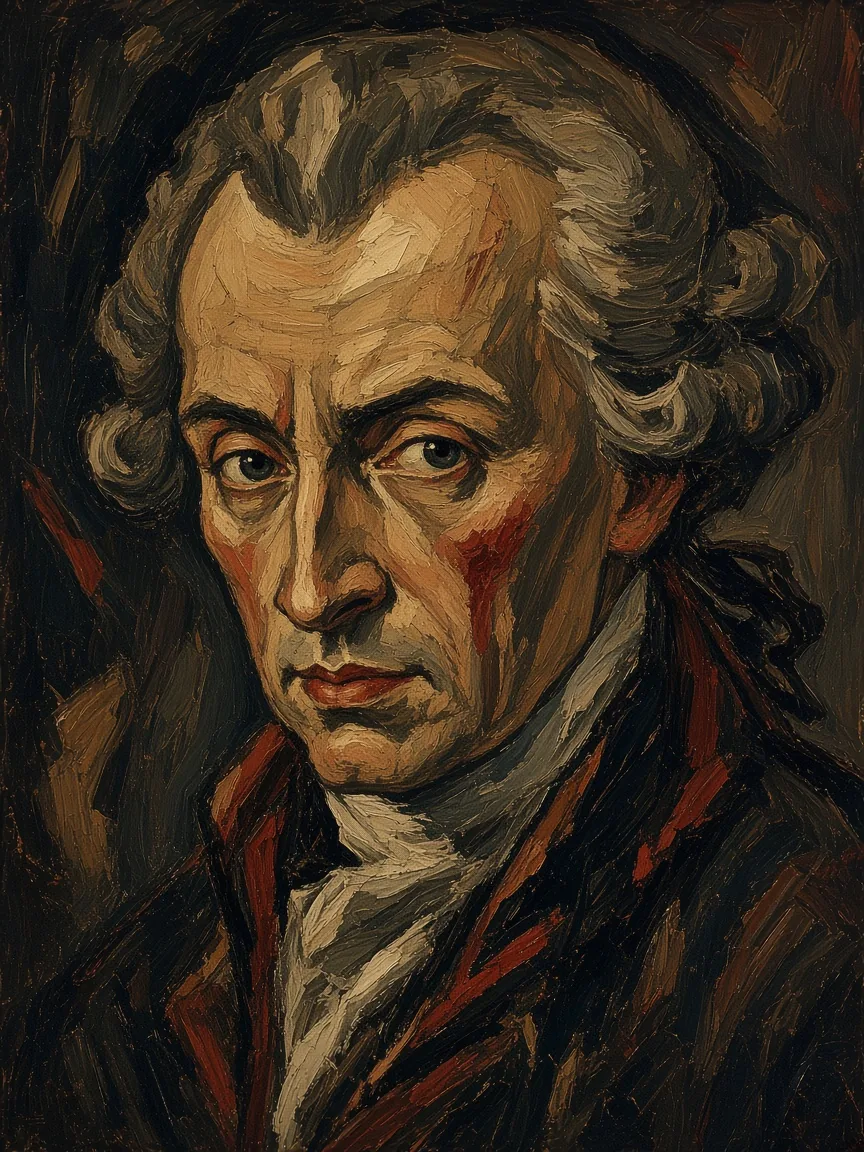
Königsberg, Prussia · 1793
Kant wrote about radical evil at sixty-nine.
- Immanuel Kant (1724–1804) was the philosopher of reason and duty.
- Act only on principles you could will to be universal laws.
- Religion within the Bounds of Bare Reason (1793) opens with an essay on radical evil.
KEY CONCEPT: CATEGORICAL IMPERATIVE
Kant’s basic moral rule.
Act only on a principle that you could will to be a universal law—something everyone should follow in the same situation. It binds unconditionally (not “if you want X”), because it comes from reason and duty.
Kant, Religion, Part One
Kant said evil was a matter of order.
A good person
Puts the moral law first, and pursues self-love only within its limits.
An evil person
Puts self-love first, and follows the moral law only when it suits.
Three degrees of the propensity: frailty, impurity, wickedness. Most human evil is the quiet habit of excusing ourselves.
Latin radix, “root”
“Radical” meant root, not extreme.
- The evil lies at the root of the will, in the first principle by which we choose.
- It is not one bad deed but a twisted starting point.
- It is innate, yet imputable: we are responsible for it.
Kant, Religion, General Remark
Kant said a person could turn around.
[verify: translation of “revolution”]
- Because it is a deed of freedom, it can be undone, through a “revolution” in one’s way of thinking.
- We ought to become better; therefore we can.
- Choices build a character. The man with the torch at Jedwabne was made by earlier choices, and is responsible for every one.
Buenos Aires, Argentina · May 11, 1960
Israeli agents seized a man named Ricardo Klement.
- He was walking home from a bus stop.
- Nine days later they flew him to Israel.
- His real name was Adolf Eichmann. He had organized the deportation of millions of Jews.
Jerusalem · April 11 – December 1961
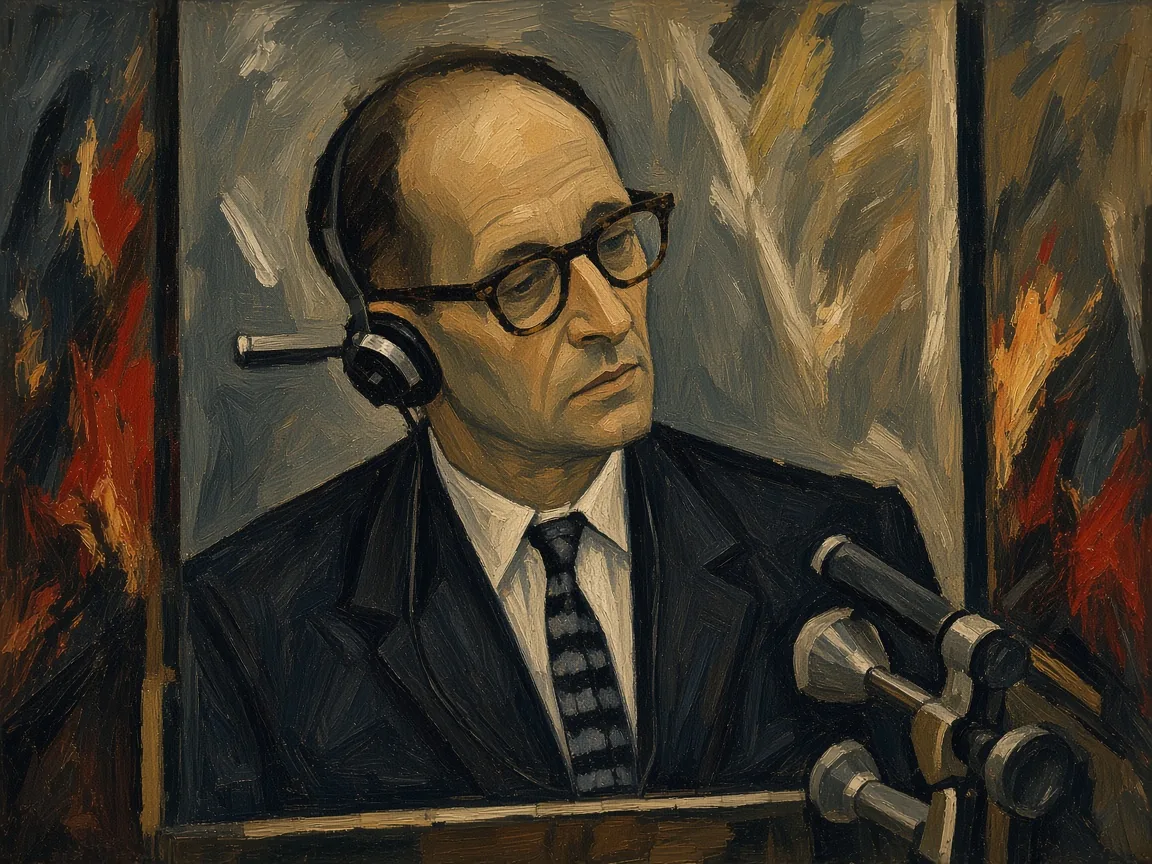
Eichmann was tried in a booth of bulletproof glass.
- More than a hundred witnesses testified, many telling their stories in public for the first time.
- The trial was filmed and broadcast.
- He was hanged on the night of May 31–June 1, 1962.
Jerusalem · 1961
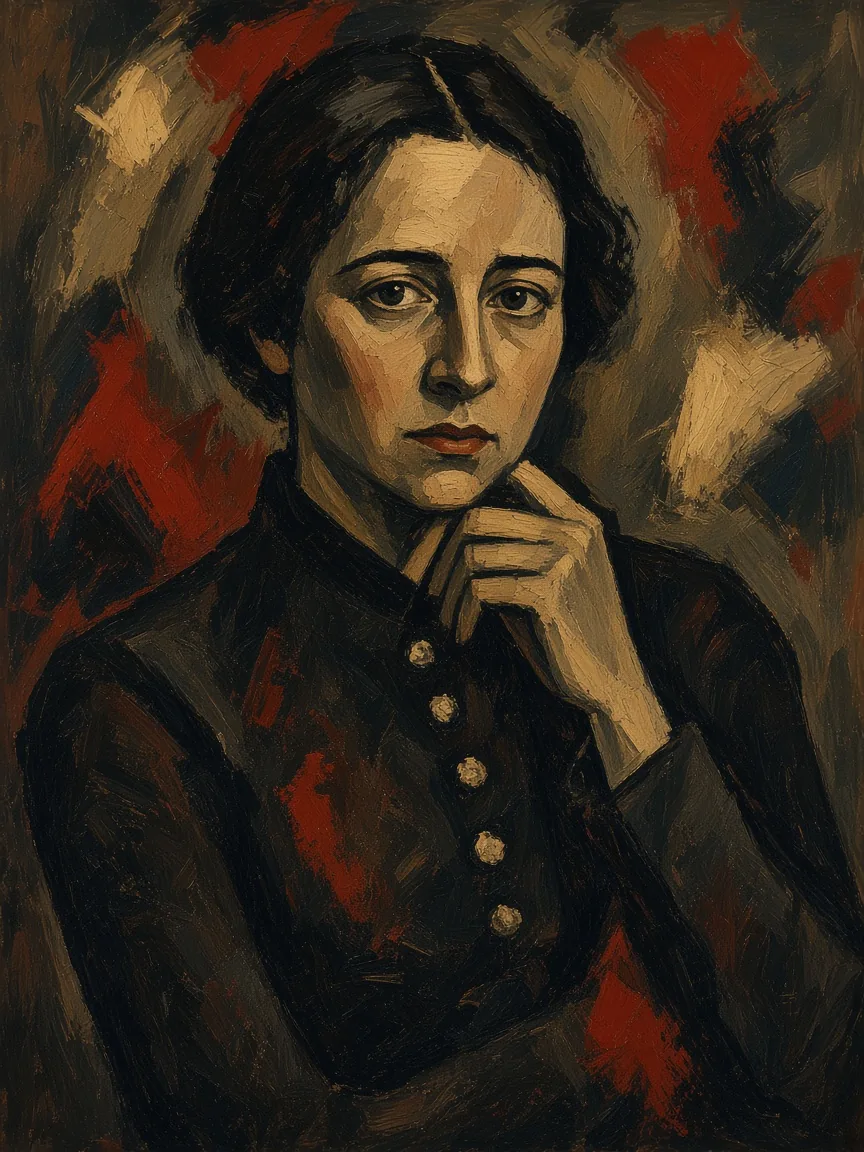
Hannah Arendt went to Jerusalem expecting a monster.
- A German Jewish philosopher, she had studied with Heidegger and Jaspers.
- Arrested by the Gestapo in 1933, interned at Gurs in 1940, she reached New York in 1941.
- She covered the trial for The New Yorker.
Eichmann in Jerusalem · 1963
She saw a man who said he had only done his duty.
“…precisely that so many were like him, and that the many were neither perverted nor sadistic, that they were, and still are, terribly and terrifyingly normal.”
Hannah Arendt, Eichmann in Jerusalem: A Report on the Banality of Evil, Epilogue
Six psychiatrists had found him normal. Her subtitle named the banality of evil.
Arendt on thinking
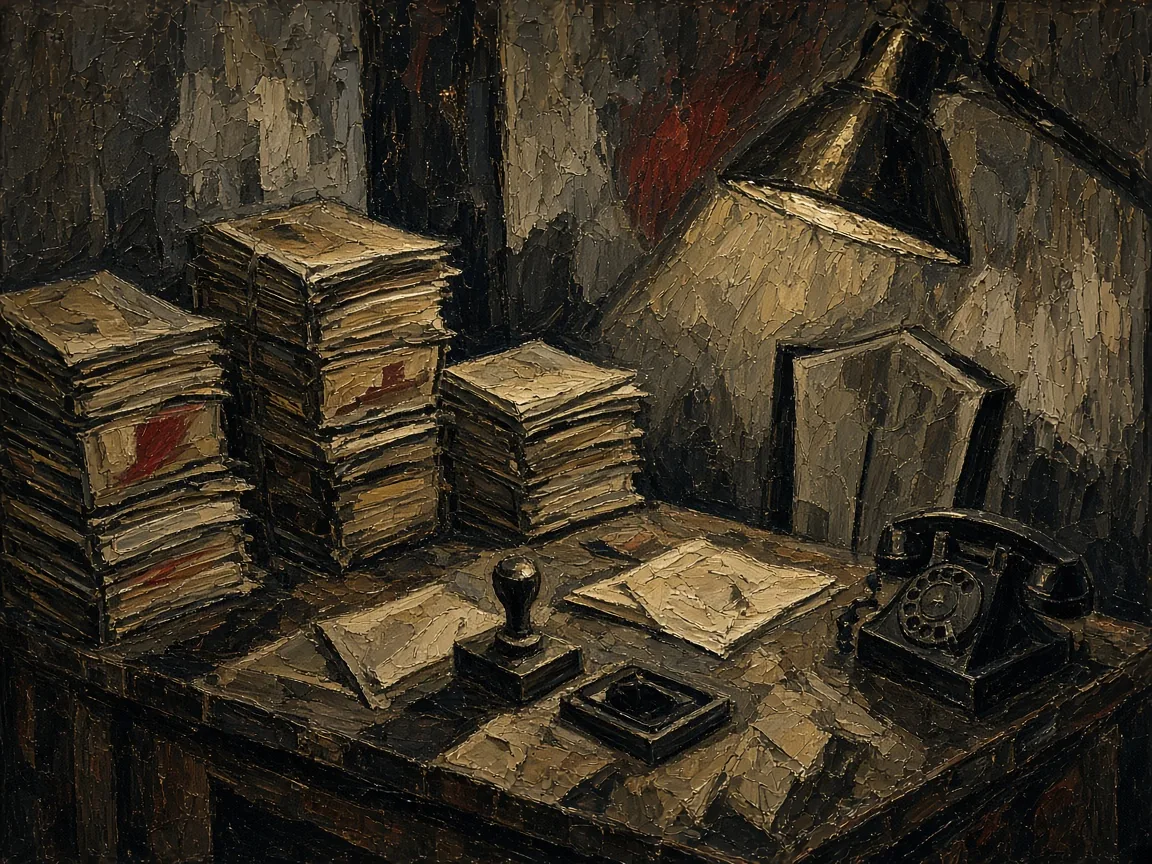
Arendt concluded that Eichmann could not think.
- Not hatred or sadism, but thoughtlessness.
- Thinking: the silent dialogue in which a person asks whether he can live with what he is doing.
- The Nazi bureaucracy gave him orders, a career, and words designed to keep him from thinking.
The Origins of Totalitarianism · 1951
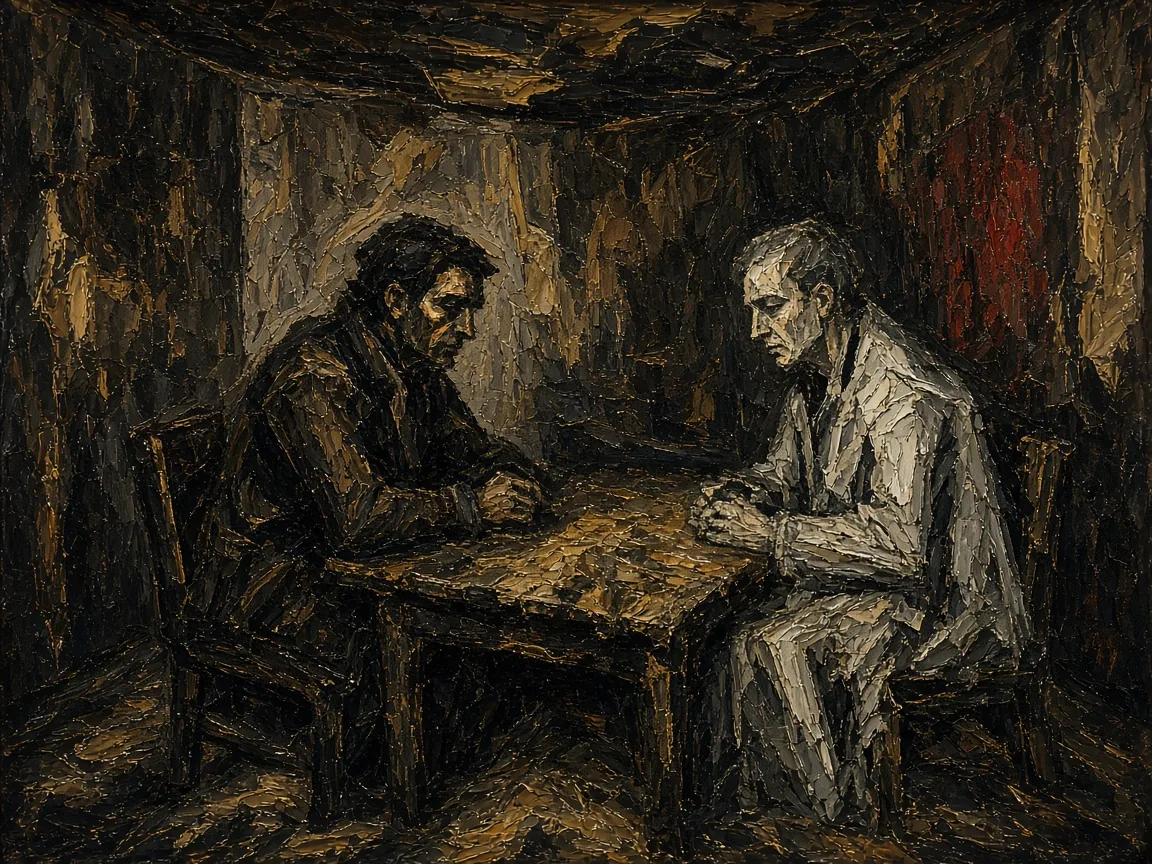
The camps tried to make human beings superfluous.
Totalitarian regimes, Nazi and Soviet alike, aimed at total domination. The camps were their laboratories.
A functionary who cannot think has also been made superfluous as a person.
Arendt to Gershom Scholem · July 1963
Arendt took back “radical evil.”
[verify wording and page: The Jewish Writings (2007), pp. 470–71]
“It is indeed my opinion now that evil is never ‘radical,’ that it is only extreme, and that it possesses neither depth nor any demonic dimension. It can overgrow and lay waste the whole world precisely because it spreads like a fungus on the surface. … Only the good has depth and can be radical.”
Hannah Arendt to Gershom Scholem, July 24, 1963
Kant and Arendt
Kant found evil at the root; Arendt found it on the surface.
Kant
Evil lies at the root of the will.
Arendt
Evil spreads on the surface, through people who never ask what they are doing.
It needs no monsters, only enough people who do not think. Arendt agreed that Eichmann should hang.
Auschwitz · Unit 731
Education did not stop the doctors.
- Josef Mengele held doctorates in anthropology and medicine.
- Shirō Ishii, who directed Japan’s Unit 731, was a trained physician.
- What matters is an education that teaches people to think, to judge, and to act, as at Le Chambon.
Isaiah 56:5 · Yad Vashem
The Bible commands zakhor, “remember.”
“I will give, in my house and within my walls, a monument and a name.”
Isaiah 56:5 (NRSV)
Yad Vashem exists so that the dead will not be erased a second time. But memory is not only for the dead. (zakhor)

None of the answers makes that boy’s death make sense.
They are not meant to. They tell us where to look, at God and at ourselves, and what to do with what we have seen.
Closing
“If memory and history are not used for a better future, but only to re-enact the hostilities of a bad past, then none of us is doing our job.”
Carol Gluck (historian), spoken in a video interview
Pierian Spring
Independent Study
Today’s lecture ends here. Continue on your own: the sections below are required independent study. They carry the questions of the lecture into the Hebrew Bible, later Jewish and Christian thought, Islam, Hinduism and Buddhism, and the social science and political philosophy of evil.
“A little learning is a dang’rous thing; / Drink deep, or taste not the Pierian spring.” Alexander Pope
Pierian Spring · The Hebrew Bible
Job protested, and God said he was right.
- Job, “blameless and upright,” lost his wealth, his ten children, and his health.
- His friends said suffering must be punishment. Job demanded an answer.
- God spoke “out of the whirlwind” (38:1), then told the friends they had not spoken rightly, “as my servant Job has” (42:7).
Pierian Spring · Jewish thought after the Holocaust
Three more Jewish thinkers rethought God’s power.
- Eliezer Berkovits: God hides his face, hester panim, so that human beings can be free.
- Hans Jonas: God gave up power in creating a free world. One corner of the triangle removed.
- Irving Greenberg: “No statement, theological or otherwise, should be made that would not be credible in the presence of the burning children.”
Pierian Spring · Islam
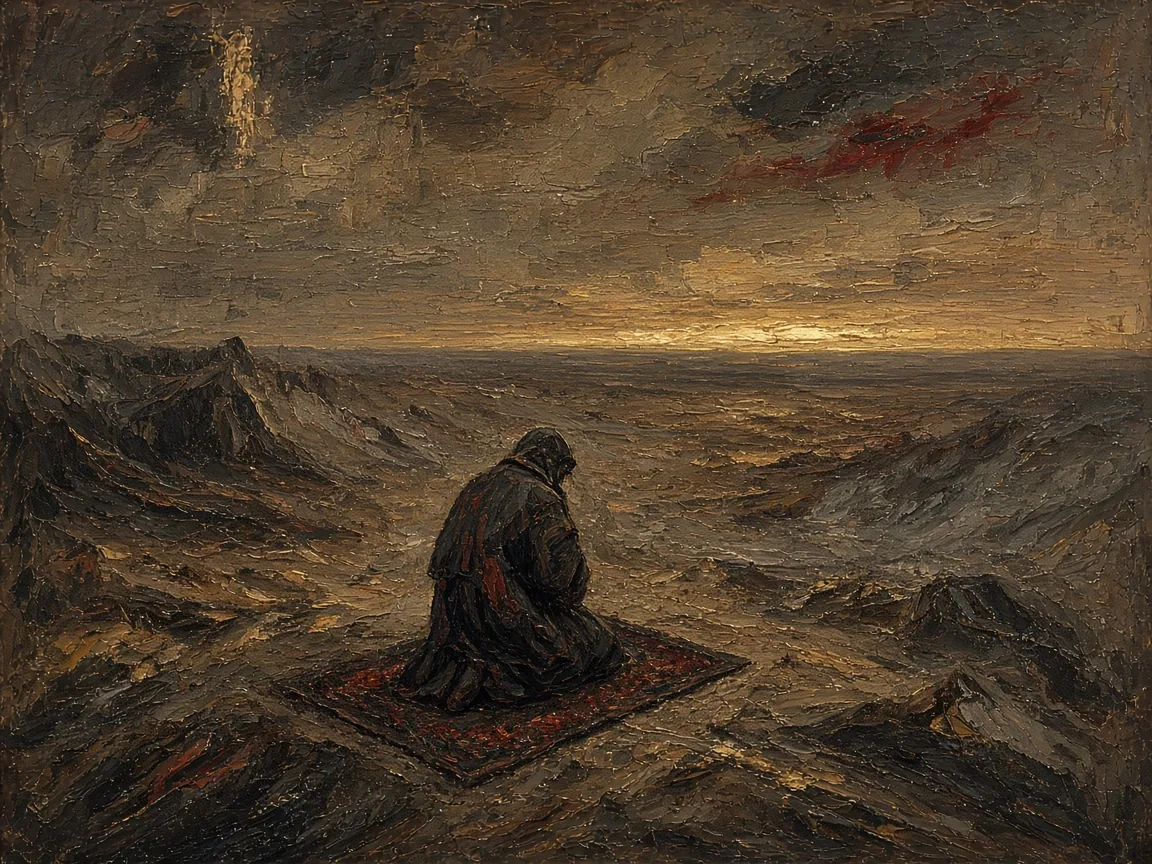
The Qur’an called suffering a test.
[verify Qur’an wording: Abdel Haleem trans., 2004]
- “We shall certainly test you with fear and hunger, and loss of property, lives, and crops” (2:155).
- Iblis refused to bow to Adam out of pride: evil begins in arrogance.
- Qur’an 5:32: whoever saves a life, it is as though he had saved all mankind.
Pierian Spring · Hinduism and Buddhism
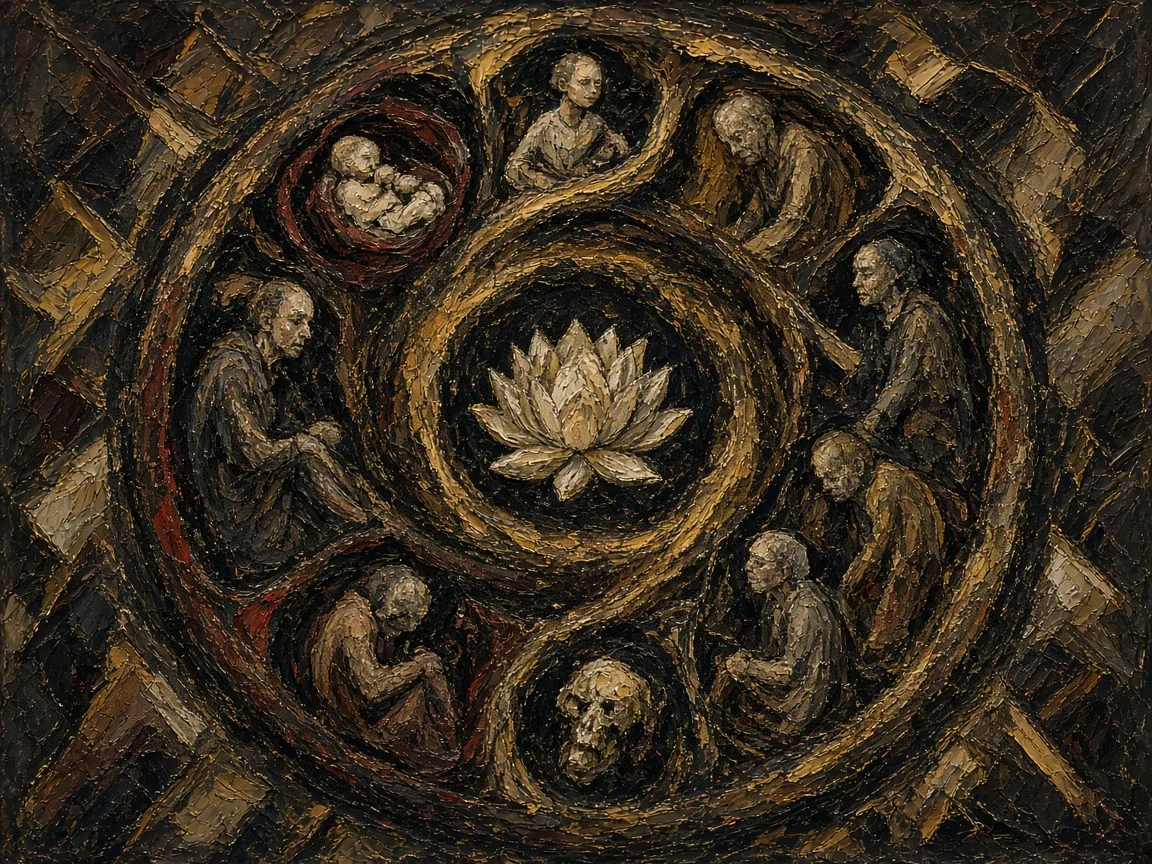
Karma moved the problem away from God.
- In Hindu traditions every action ripens, in this life or a later one, within samsara.
- Buddhism names three roots of harmful action: greed, hatred, and delusion.
- Did the victims of genocide deserve their fate? Many teachers reject that use of karma.
Pierian Spring · The Brothers Karamazov, Book 5
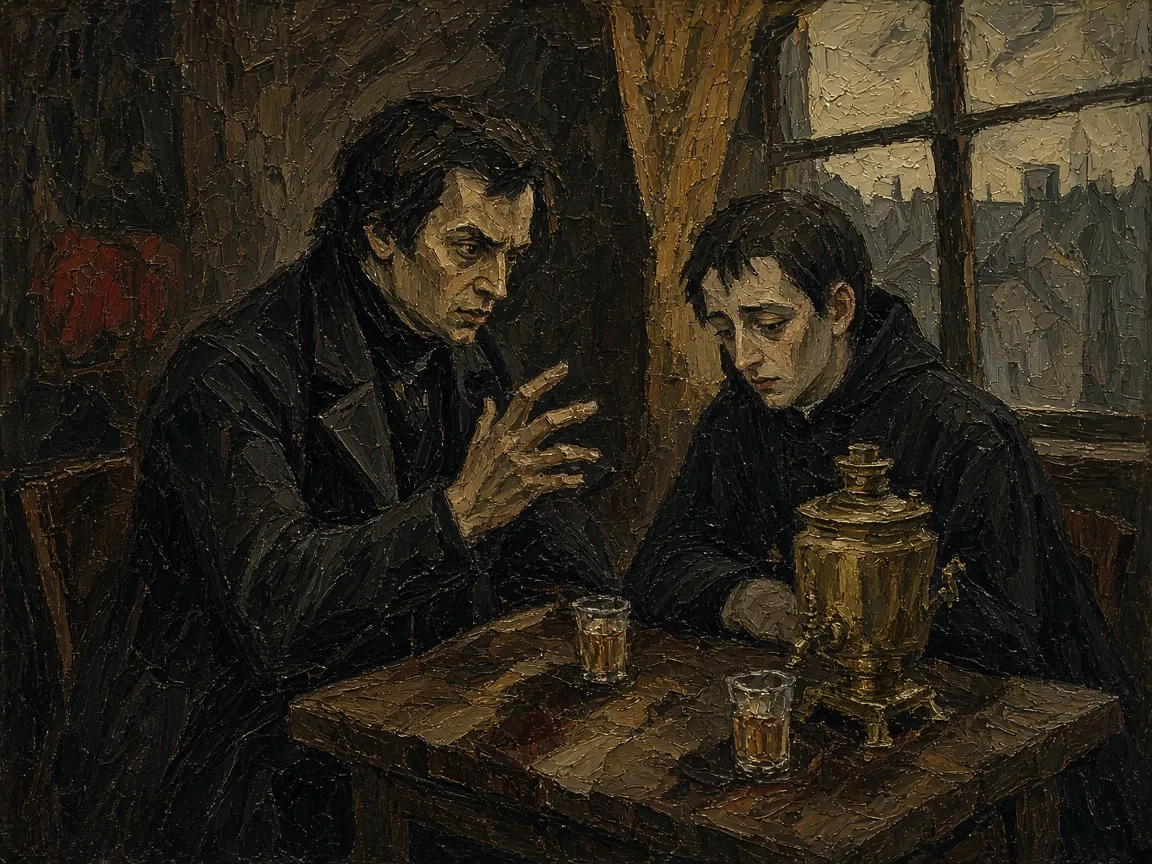
In a tavern, Ivan told his brother about tortured children.
- Ivan accepted God. He could not accept God’s world.
- A higher harmony “is not worth one little tear of even that one tortured child.”
- Would you build human happiness on one tiny creature’s tears? “No, I would not,” Alyosha said quietly.
Pierian Spring · “The Grand Inquisitor”
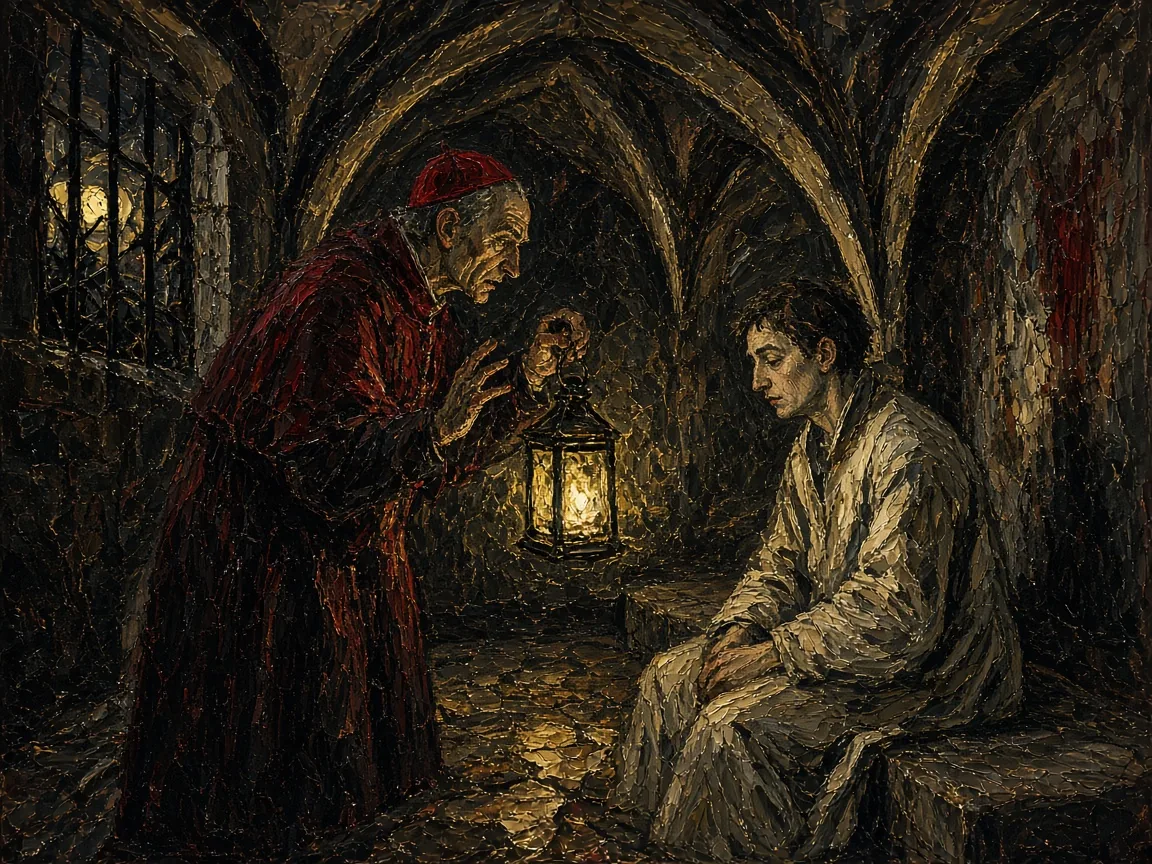
Ivan’s Inquisitor arrested Christ, and Christ answered with a kiss.
- In sixteenth-century Seville, the aged Cardinal Inquisitor has the returned Christ arrested.
- Human beings, he says, want bread, miracle, and authority, not freedom.
- Christ listens in silence, then kisses him. “That is the whole answer.”
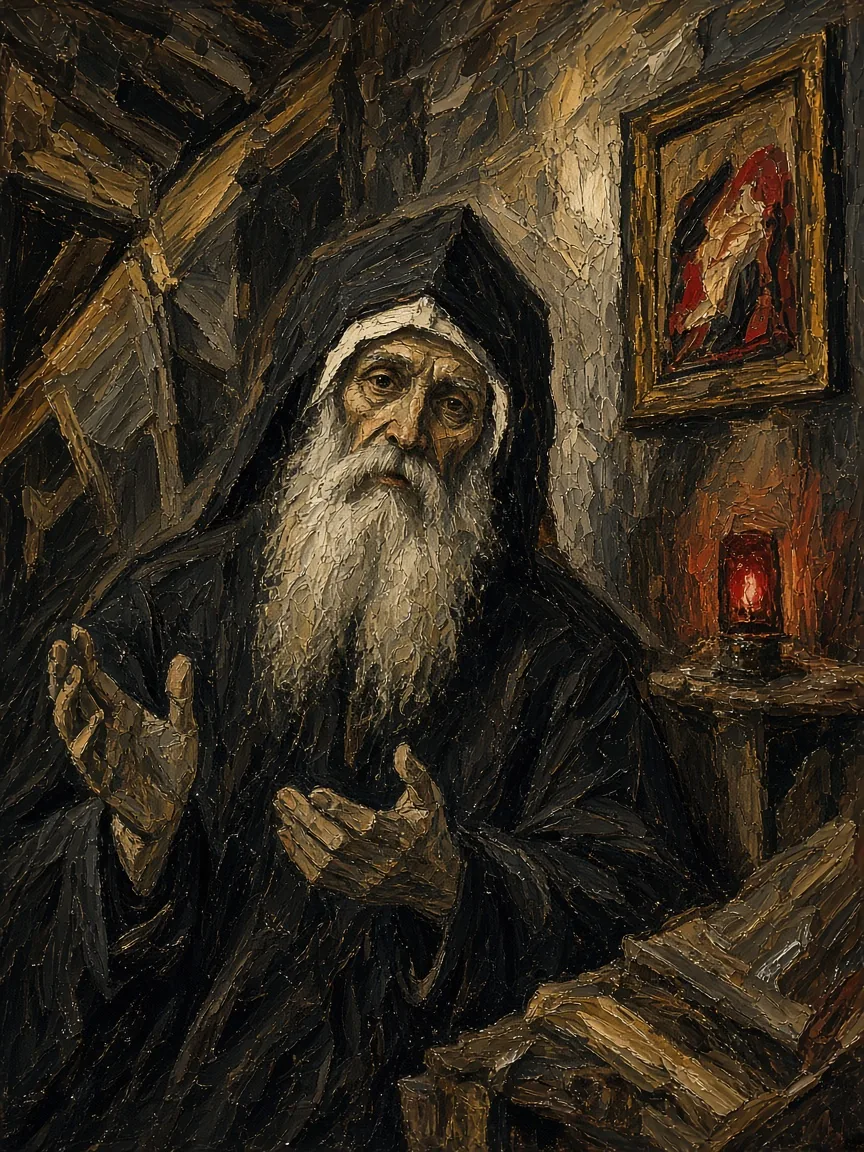
Pierian Spring · “The Russian Monk,” Book 6
Dostoevsky answered with a life: Father Zosima.
- “Each of us is guilty before everyone, for everything, and I more than all.”
- Zosima calls people to take responsibility for the world’s suffering through active love.
- John Hick admitted that Ivan’s protest remains the strongest objection to his own theodicy.
Pierian Spring · Social psychology
Milgram found that many people obeyed.
- 1961: about two-thirds of volunteers in the best-known version went to 450 volts.
- Gina Perry’s archive study (2012) complicated the picture; Burger (2009) found many still go further than they expect.
- Zimbardo’s Stanford Prison Experiment (1971): treat it as a cautionary story, not as evidence.
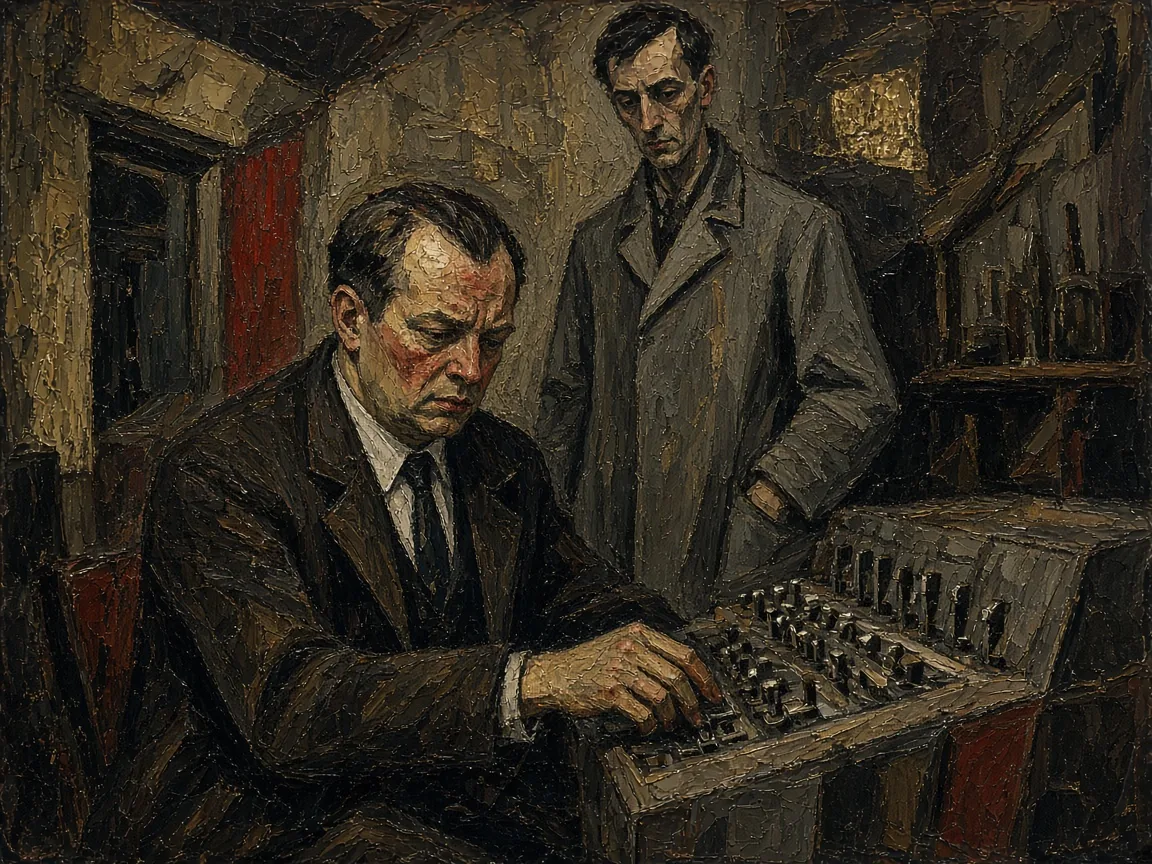
Pierian Spring · Historians’ debate
Two historians read the same records and disagreed.
Christopher Browning, Ordinary Men (1992)
Situational reasons: conformity, careerism, deference, not leaving comrades to do the dirty work.
Daniel Jonah Goldhagen, Hitler’s Willing Executioners (1996)
An “eliminationist antisemitism” rooted in German culture.
Are perpetrators made by situations, or by beliefs and choices, and how do the two interact? (Recap: Reserve Police Battalion 101 at Józefów, Lecture 1.)
Pierian Spring · Political philosophy
Hobbes and Rousseau disagreed about human nature.
Thomas Hobbes, Leviathan (1651)
Without a common power, life is “solitary, poor, nasty, brutish, and short.”
Jean-Jacques Rousseau, Discourse on Inequality (1755)
Natural man was moved by self-preservation and pity; society corrupted him.
The Holocaust happened inside an orderly, lawful state, and the killers of Jedwabne used clubs and a barn.
Pierian Spring · Eichmann before Jerusalem
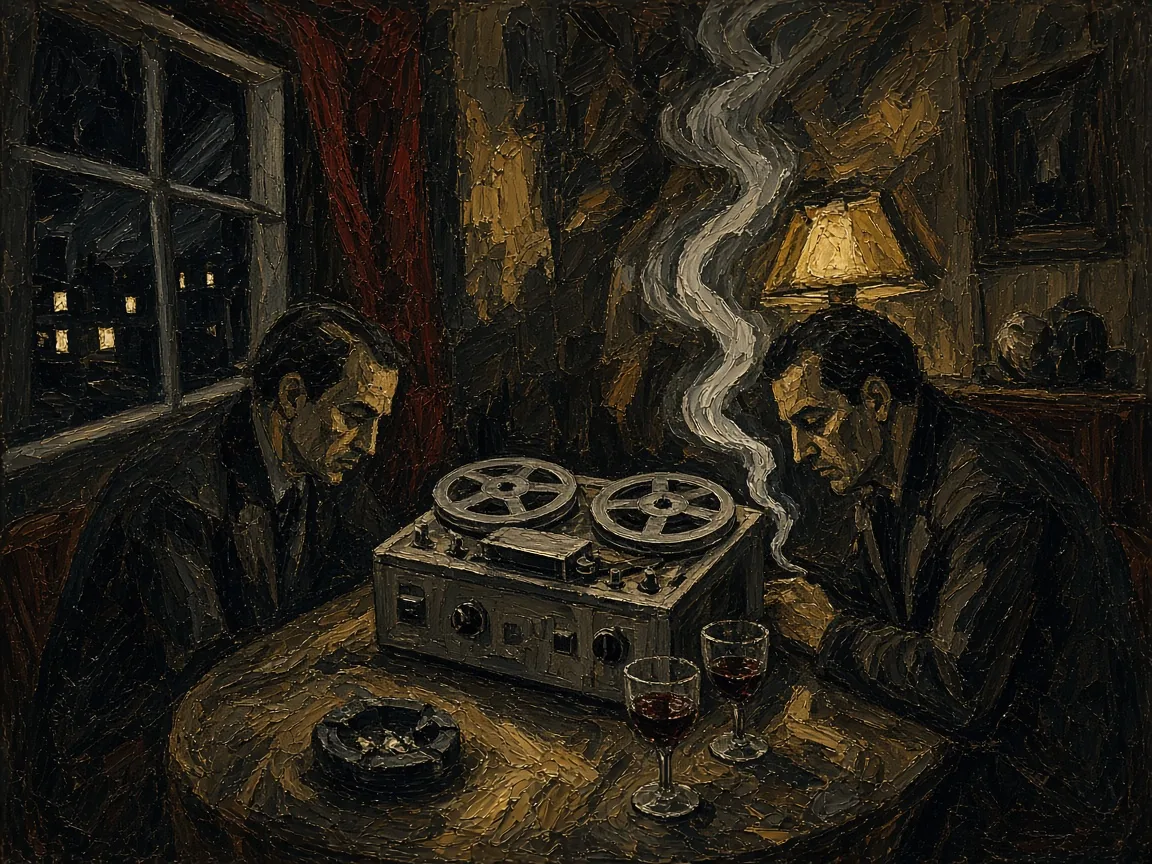
Tapes from Argentina showed a different Eichmann.
- Bettina Stangneth (2011; English 2014) studied Eichmann’s writings and taped conversations among Nazi exiles.
- They show a committed, proud antisemite.
- Did he perform thoughtlessness at his trial? Does that refute the banality of evil, or only Arendt’s example?
Sources and image credits
- Elie Wiesel, Night, trans. Marion Wiesel (2006) · The Trial of God (1979)
- G. W. Leibniz, Theodicy (1710) · Lactantius, On the Anger of God · Fyodor Dostoevsky, The Brothers Karamazov (1880)
- Richard L. Rubenstein, After Auschwitz (1966) · Emil L. Fackenheim, God’s Presence in History (1970)
- Augustine, Confessions · John Hick, Evil and the God of Love (1966) · Dietrich Bonhoeffer, Letters and Papers from Prison · Jürgen Moltmann, The Crucified God (1972)
- Jan T. Gross, Neighbors (2001) · IPN, Jedwabne findings (2003) · Yad Vashem, Righteous Among the Nations statistics (2024)
- Immanuel Kant, Religion within the Bounds of Bare Reason (1793) · Hannah Arendt, Eichmann in Jerusalem (1963) and The Origins of Totalitarianism (1951)
- Pierian Spring: Job (NRSV) · Berkovits, Jonas, Greenberg · the Qur’an (Abdel Haleem) · Milgram, Perry, Le Texier · Browning, Goldhagen · Hobbes, Rousseau · Stangneth
Every image in this deck is an AI-generated interpretation: a German Expressionist painting made with an image generator for teaching. None is a photograph. Bible quotations are from the NRSV; Dostoevsky translations are by Steven Austin.